

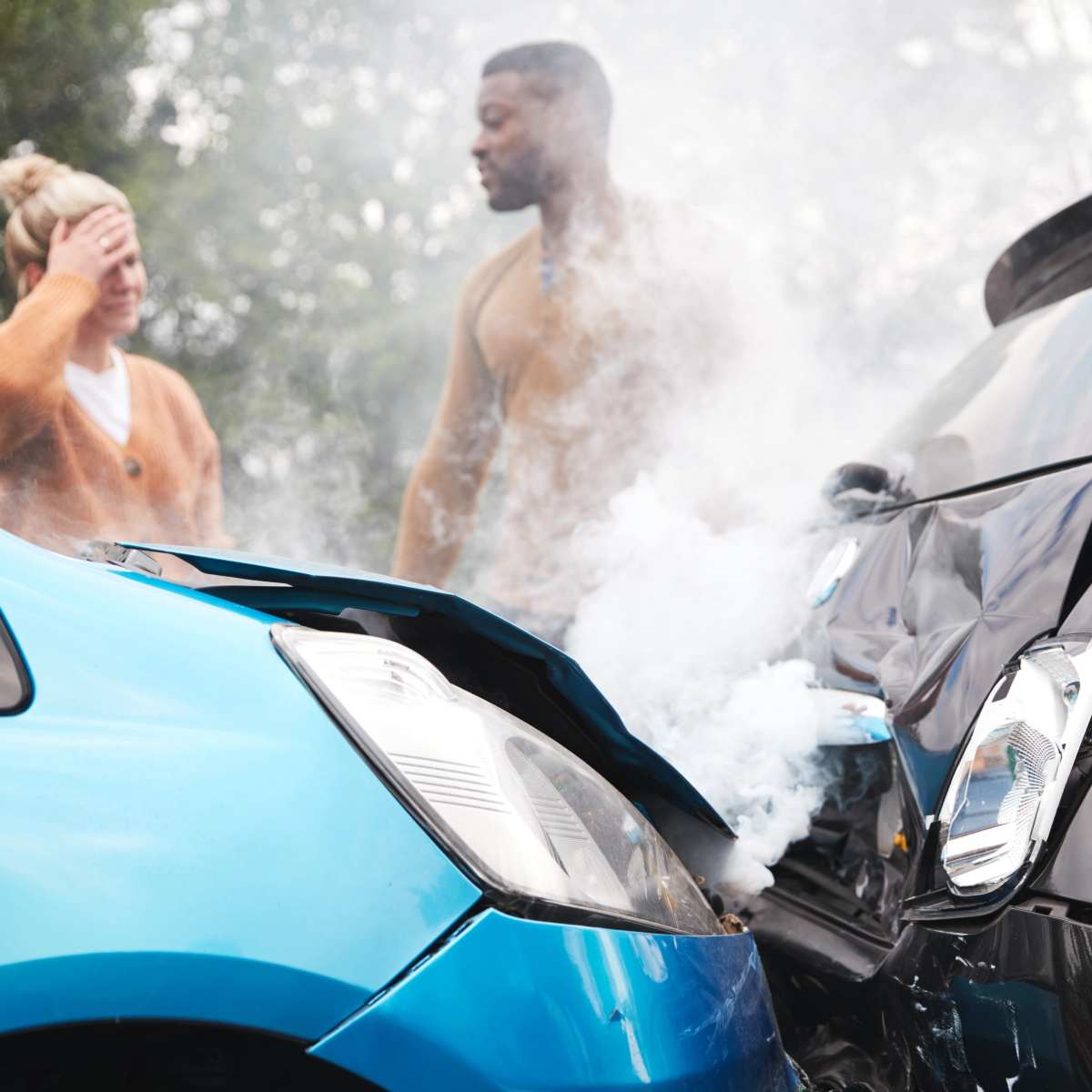
A driver who causes a crash while trying to avoid another collision is not automatically at fault. In most states, fault depends on whether the driver faced a true emergency they did not create and reacted reasonably. If another motorist created the danger, that motorist may be held responsible even if their vehicle never touched anyone.
Swerving or braking hard can turn a near miss into a different crash within seconds. What happens in the moments after a crash often decides how clearly each driver’s role can be proven later.
Jump to:
What Decides Fault When a Driver Swerves to Avoid a Crash?
Was the Emergency Sudden and Unexpected?
Courts look for an unexpected event that demands immediate action with no time to think. A car crossing the center line or running a red light may qualify.
Did the Driver Help Create the Emergency?
A self-created emergency rarely excuses a crash. A driver who was speeding, following too closely, or distracted usually cannot claim they were simply reacting to danger.
Was the Reaction Reasonable?
The driver does not need to make the perfect choice, only a reasonable one under the circumstances.
Why Are Avoidance Crashes Often More Complicated?
Speed often decides whether a driver can react safely. The National Highway Traffic Safety Administration (NHTSA) estimated in 2026 that speeding-related crashes killed about 10,035 people in 2025. These cases are also harder to prove when the dangerous vehicle never made contact.
What Legal Rules Apply to Avoidance Crashes?
The Sudden Emergency Doctrine
Many states allow juries to consider a sudden emergency when judging a driver’s conduct. However, some states, including Colorado and Mississippi, have abolished the separate sudden emergency jury instruction.
Shared Fault Rules
Each state decides how shared fault affects compensation:
- Contributory negligence: Alabama, Maryland, North Carolina, Virginia, and Washington, D.C., can bar recovery if the injured person is even slightly at fault.
- Modified comparative negligence: Most states bar recovery once a person is 50% or 51% at fault.
- Pure comparative negligence: States such as California and New York reduce compensation by the person’s share of fault.
Phantom Vehicle Coverage
Uninsured motorist coverage may apply when the driver who caused the danger leaves. Some states require physical contact, while others accept independent corroborating evidence, such as witness statements.
Real-Life Example: How a Swerve Can Shift Fault
In this hypothetical example, a driver swerves onto the shoulder when a pickup truck drifts across the center line. The driver strikes a parked car, and the truck drives away.
At a safe speed, the pickup driver may be found at fault. If the driver was slightly speeding, a contributory negligence state could bar recovery entirely.
PRO TIP: If another vehicle forces you to swerve, tell the responding officer so the police report reflects the other vehicle’s role.
What Should You Do After an Avoidance Crash?
- Call 911 and get medical attention, even if injuries seem minor.
- Describe the other vehicle’s color, model, and direction to police.
- Ask witnesses for their contact information.
- Photograph the scene, skid marks, and vehicle positions.
- Save dashcam footage and ask nearby businesses to preserve video.
FAQ’S
Yes. A driver whose negligence forces another motorist to swerve may be held responsible for the resulting crash, even without contact.
No. Fault rules, insurance requirements, and filing deadlines vary significantly from state to state.


Quick Summary
- A driver who crashes while avoiding another collision is not automatically at fault; it depends on whether the emergency was sudden and not self-created.
- NHTSA estimated that speeding-related crashes killed about 10,035 people in 2025.
- Shared fault rules differ, and five jurisdictions can bar recovery for even slight faults.
- Uninsured motorist coverage for no-contact crashes depends on state rules and available evidence.
- Police reports, witnesses, and photos are critical when the other driver leaves.




Leave a Reply