

Spider veins and varicose veins can look a little alarming when they first appear. Thin web-like lines or raised, twisted blood vessels often feel unexpected and unfamiliar, which can make them seem more serious than they actually are. In reality, blood vessel issues are extremely common.
Reports suggest that nearly 40 million Americans experience varicose type, while spider type affects over 80 per cent of adults, especially women.
So, if you have noticed similar changes, you are far from alone. And no, you do not have to live with them. Many people wonder whether these issues are treatable or something they simply have to live with.
The truth is encouraging. Advances in care have made effective solutions more accessible than ever.
Want to know what those options are? Keep reading to find out.
Jump to:
Understanding Spider and Varicose Veins
Spider and varicose veins are often mentioned together, but they are not the same condition.
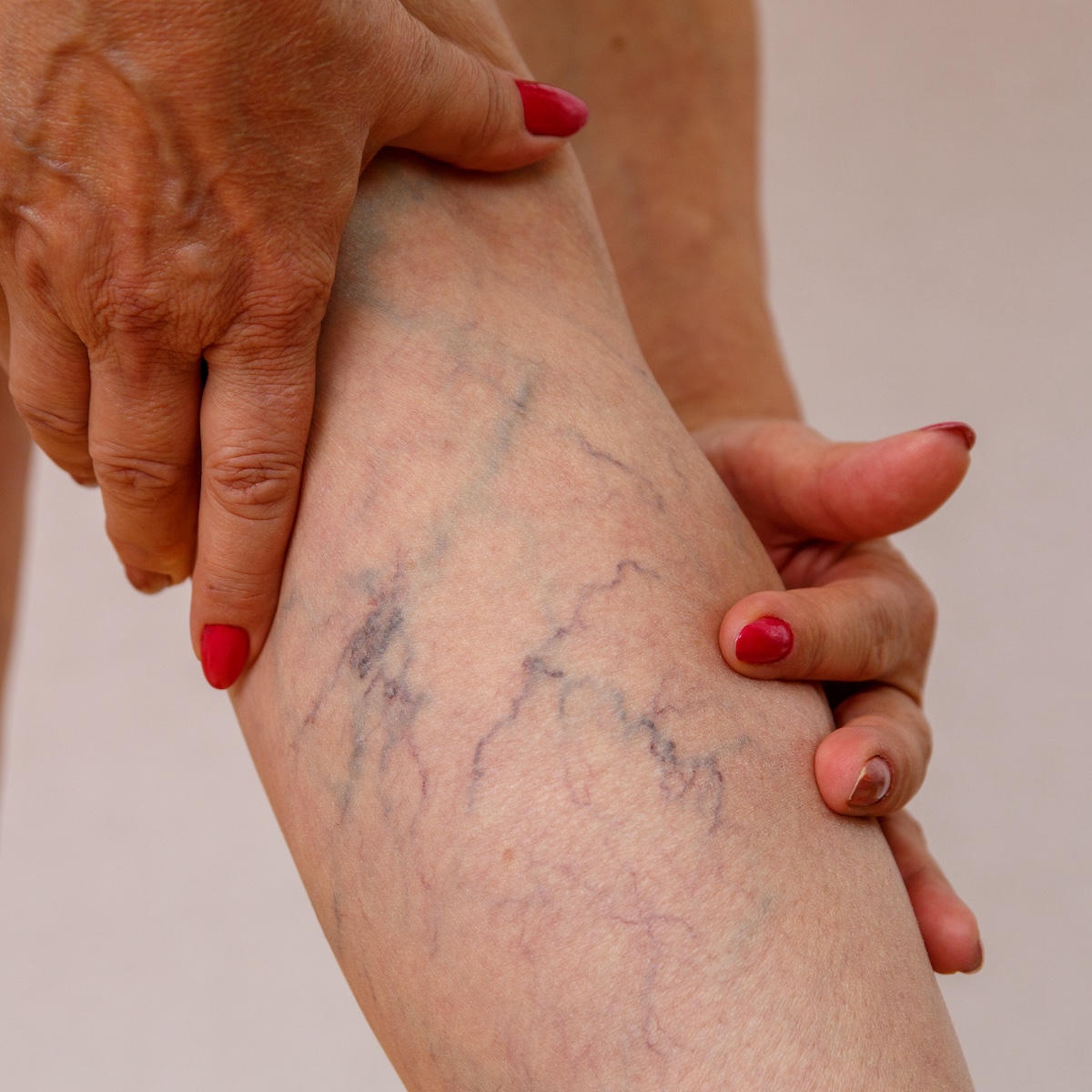
Spider type is small, thin blood vessels that sit close to the surface of the skin. They usually appear red, blue, or purple and form web-like or branching patterns.
Most people notice them on the legs or ankles, and they are often linked to genetics, hormonal changes, or long periods of standing.
Varicose type, on the other hand, is larger and more noticeable. They tend to bulge or twist and are often raised above the skin. These develop when valves inside the blood vessels weaken, allowing blood to pool rather than flow efficiently. As a result, symptoms like aching, heaviness, swelling, or nighttime cramping may occur.
The key distinction of spider veins vs varicose veins is that the first is mostly cosmetic, while the latter may carry health risks.
Specialists at Vein Institute, a trusted name in vein-focused care, note that untreated varicose veins can interfere with healthy blood flow. This may contribute to venous insufficiency, leg ulcers, and, in rare cases, blood clots.
Because of these potential concerns, an immediate medical evaluation is often recommended to minimize risks right from the start.
Treatment Options for Spider Type
Spider blood vessels are commonly treated with minimally invasive techniques that focus on improving appearance while keeping daily routines largely uninterrupted. One of the most widely used options is sclerotherapy.
This treatment involves injecting a solution directly into the affected blood vessels, causing them to close and gradually fade as the body absorbs them. The procedure itself is usually quick and performed in an office setting.
Laser treatments may also be recommended for very small spider veins that sit close to the skin's surface.
These treatments use targeted light energy to seal the blood vessel without the need for injections. Sessions are typically brief, and after the treatment, discomfort is minimal for most people.
Many return to normal activities the same day, making this option appealing to those with busy schedules.
Results from treatments develop gradually over several weeks as the treated blood vessels fade from view. While results can be long-lasting, some people may notice new ones forming over time.
In these cases, occasional follow-up care or simple lifestyle adjustments, such as staying active or managing prolonged standing, may help support ongoing results.
Treatment Options for Varicose Veins
Varicose veins often require a more targeted approach, particularly when symptoms begin to affect comfort, movement, or overall quality of life.
Modern treatment focuses on correcting the underlying blood vessel issue rather than only addressing what is visible on the surface.
This approach helps improve circulation and reduce the chance of symptoms returning.
Ultrasound-guided procedures are commonly used to assess blood flow and identify blood vessels with weakened valves.
Once problem areas are identified, specialists may recommend minimally invasive options such as endovenous therapies.
These treatments close the affected blood vessel from the inside using heat or other medical-grade techniques, allowing blood to naturally reroute through healthier blood vessels.
Procedures are typically performed in-office and do not require large incisions.
In some cases, removing smaller blood vessel branches through tiny openings may help relieve pressure and discomfort. Compared to older surgical methods, recovery tends to be faster and less disruptive.
Many people can return to normal routines within a short period, noticing gradual improvement in symptoms such as heaviness, aching, or swelling.
- Parents Are Prioritising Breathable, Sustainable Fabrics For Children's Seasonal Sleepwear
- Our Homemade Christmas Printables, Made With AI: What Worked, What Didn't, and What I'm Saving for Next Year
- At-Home vs. In-Lounge IV Therapy in the Hudson Valley: Which Makes More Sense?
- Can Passengers Pursue Compensation After a Car Accident?




Closing Lines
Spider and varicose veins may look similar at first glance, but they develop for different reasons and benefit from different treatment approaches.
Today’s blood vessel care focuses on accurate diagnosis, targeted solutions, and minimal downtime.
Whether the concern is cosmetic or related to comfort, understanding the type of issue makes treatment decisions clearer.
Many people find relief and improved confidence by choosing care that matches their needs.





Leave a Reply