

Good oral health rarely comes down to a single product or an occasional trip to the dentist. It's built from small, consistent habits practiced day after day.
When those habits slip, a sticky film called plaque builds up on the teeth, and the bacteria living in it produce acids that can lead to tooth decay, gum irritation, bad breath, and, left unaddressed, more serious problems down the line.
Plenty of tools can support a consistent routine; an electric toothbrush, for instance, is one option some people use to help stay on track with regular brushing, but no single device replaces the fundamentals: proper technique, fluoride toothpaste, daily interdental cleaning, sensible dietary choices, and regular professional checkups.
This article walks through which habits matter most, how to do them correctly, and when it's time to bring in a professional.
Jump to:
The Foundations of a Healthy Oral-Care Routine
A reliable oral-care routine comes down to a handful of core practices: brush twice daily with fluoride toothpaste, clean between the teeth daily, limit frequent exposure to sugary foods and drinks, and attend dental checkups based on individual need.
Tools and gadgets can make these habits easier to stick with, but they can't substitute for thorough coverage of every tooth surface or for a dentist's trained eye.
Recommendations also shift depending on age, oral-health history, orthodontic appliances, implants, dry mouth, disability, or medication use, which is why organizations like the American Dental Association, the NHS, and the CDC offer general guidance rather than a single set of rules meant for everyone.
How to Brush Effectively
Use the right technique
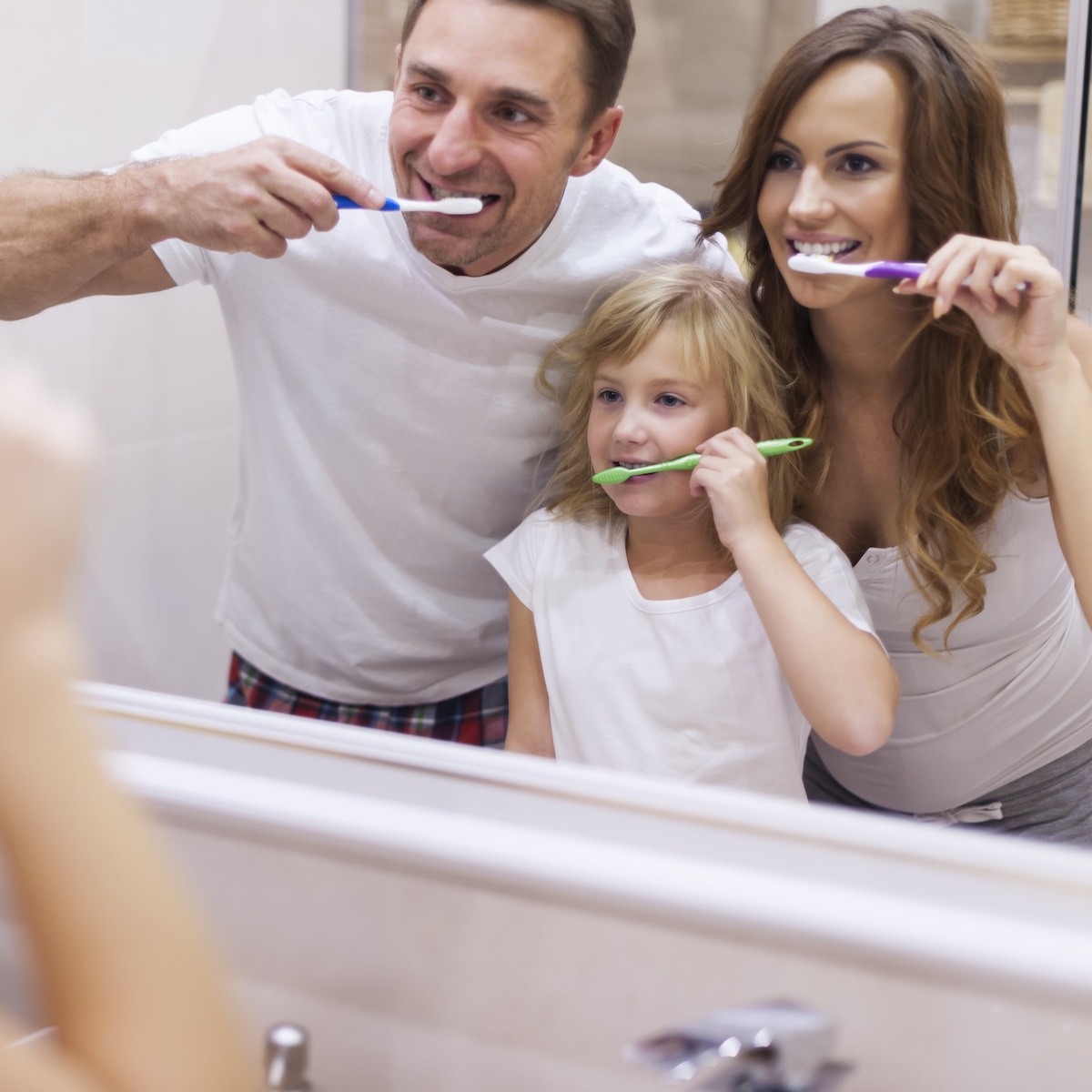
Effective brushing covers the outer, inner, and chewing surfaces of every tooth. Angle the bristles toward the gumline and use gentle, controlled strokes rather than aggressive scrubbing, which can irritate gums and wear down enamel over time. Aim for about two minutes per session, mentally dividing the mouth into sections so nothing gets skipped. Thorough coverage, a light touch, and consistency matter far more than any particular brush design.
Choose suitable equipment
Manual brushes can work just as well as powered ones when used correctly for the full recommended time. Powered brushes may help people who struggle to keep up a consistent motion or stick to the full two minutes, but neither type guarantees better results on its own. A soft-bristled brush is generally the safer choice unless a dental professional says otherwise, and it should be swapped out once the bristles start looking worn or splayed, usually every few months.
Use fluoride toothpaste correctly
Fluoride strengthens enamel and plays a central role in preventing decay. The amount used should be scaled down for young children, who often need supervision to avoid swallowing toothpaste. After brushing, spit rather than rinse, rinsing with water washes away the fluoride that would otherwise keep protecting the teeth. Anyone with dry mouth or a history of frequent cavities may want to ask a dentist about a more tailored fluoride plan.
Cleaning Between the Teeth
Brushing alone can't reach the tight spaces between teeth, which is exactly why daily interdental cleaning matters. Floss, interdental brushes, pre-threaded flossers, and water flossers are all viable options; the right pick depends on the size of the gaps, dexterity, any dental work, and a professional's advice. When flossing, guide the floss gently between teeth, curve it around each one, and resist the urge to snap it down into the gums. Some bleeding is normal when you first start cleaning inflamed gums regularly, but bleeding that persists or seems heavy is worth mentioning to a dental professional.
| Tool | Primary Purpose |
|---|---|
| Manual brush | Removes plaque from tooth surfaces |
| Powered brush | Same goal; may aid consistency for some users |
| Floss | Cleans tight interdental spaces |
| Interdental brush | Cleans wider gaps, bridges, or orthodontic work |
Diet and Daily Habits That Affect Oral Health
Oral bacteria convert sugars into acid, and how often you eat sugar matters just as much as how much you eat. Repeated snacking or sipping sugary drinks throughout the day multiplies the number of "acid attacks" on enamel. Saving sweets for mealtimes, reaching for water between meals, and skipping prolonged sipping of sweetened beverages can meaningfully cut that risk. Smoking and tobacco use are major contributors to gum disease and slower healing, while dry mouth, sometimes tied to medications or underlying health conditions, can raise decay risk and deserves medical or dental attention rather than a quick fix from the pharmacy shelf.
Recognizing Problems Early
Persistent gum bleeding, swelling, bad breath, tooth sensitivity, looseness, or receding gums are all signs worth bringing up with a dentist. Seek urgent care for a severe toothache accompanied by swelling or fever, facial swelling, difficulty swallowing or breathing, or any trauma that damages a tooth. Home care lowers risk, but it can't repair an existing cavity or diagnose an infection on its own.
Making the Routine Easier to Maintain
Key Takeaway: A simple routine performed consistently protects oral health far more effectively than an elaborate one followed sporadically.
Tying oral care to habits you already have, like waking up or climbing into bed, makes consistency much easier to build. A busy adult who often skips nighttime brushing might find it helps simply to keep supplies by the bed instead of in a bathroom down the hall.
Daily checklist:
- Brush morning and night
- Clean between teeth daily
- Limit frequent sugar exposure
- Watch for changes in the mouth
- Attend recommended dental visits
Personalizing Oral Care for Different Needs
Children need age-appropriate toothpaste amounts and supervision while brushing. Braces, dentures, implants, and crowded teeth often call for specialized cleaning tools.
Older adults, people with limited mobility, and those managing pregnancy, diabetes, or dry-mouth-inducing medications should talk through preventive strategies with a dental professional rather than leaning on general advice alone.
- Parents Are Prioritising Breathable, Sustainable Fabrics For Children's Seasonal Sleepwear
- Our Homemade Christmas Printables, Made With AI: What Worked, What Didn't, and What I'm Saving for Next Year
- At-Home vs. In-Lounge IV Therapy in the Hudson Valley: Which Makes More Sense?
- Can Passengers Pursue Compensation After a Car Accident?




A Sustainable Oral-Care Routine Matters Most
Preventing decay and gum problems comes down to combining fluoride brushing, daily interdental cleaning, sensible dietary habits, tobacco avoidance, and timely dental visits.
No brush or accessory can fix inconsistency. Choose a routine you can realistically stick to, and check in with a dentist or hygienist to fine-tune it as symptoms arise or your needs change.





Leave a Reply