

A Guide to Better Living for Your Family focuses on creating balance, health, and harmony amid modern life’s chaos. Building a nurturing home means establishing mindful routines, decluttering physical and mental space, and encouraging open communication among family members.
Small, consistent habits such as shared meals, regular outdoor time, and screen-free evenings can significantly improve well-being.
When families prioritise togetherness and self-care, they build resilience, emotional strength, and a sense of peace that benefits everyone in the household.
This guide explores practical, mindful steps any family can take to create a home and lifestyle that feels peaceful, purposeful, and full of joy.
Jump to:
- Build Routines That Support Everyone
- Keep Your Home Clean and Hygienic with Safe Products
- Organize Spaces for Comfort and Function
- Prioritize Healthy Eating Habits
- Create Tech-Free Moments
- Encourage Open Communication
- Design Restful Sleep Environments
- 🤖 Looking For An Answer?
- Stay Active Together
- Give Back and Practice Gratitude
Build Routines That Support Everyone
A stable routine helps every family member feel more secure and focused.
When mornings begin with calm instead of chaos, the tone for the entire day improves.
Simple habits like waking up at the same time, sharing breakfast, or spending a few minutes talking about the day ahead can lift everyone’s mood.
Evenings can follow a similar rhythm; setting aside time for dinner, relaxation, and reflection helps everyone slow down after a busy day.
Children thrive on structure, and adults benefit from it just as much.
Keep Your Home Clean and Hygienic with Safe Products
A clean home isn’t only about appearances; it’s about creating an environment where everyone can breathe easy and stay healthy.
Dust, germs, and allergens can build up quickly, especially in homes with kids or pets.
Regular cleaning helps maintain both physical health and emotional calm, but what you clean with matters just as much as how often you clean.
Many commercial cleaning products contain harsh chemicals that can irritate the skin, eyes, or lungs.
Using safe, eco-friendly products is a smarter choice for both your family and the environment.
That’s where trusted brands like Melaleuca: The Wellness Company make a real difference.
Their cleaning line, EcoSense, offers naturally derived solutions that are tough on grime but gentle on the planet.
These products are biodegradable, free from chlorine bleach and ammonia, and made to protect indoor air quality.
Choosing safer products like these helps create a home that is truly healthy and welcoming for everyone.
Organize Spaces for Comfort and Function
Clutter can weigh heavily on the mind. When every surface is crowded and storage spaces are overflowing, it becomes harder to think clearly or relax.
A tidy home promotes peace and productivity, making it easier for families to move through the day smoothly.
You can simplify one area at a time — maybe a kitchen drawer, a closet, or a playroom shelf. Keep only what adds value or joy to daily life.
Functional organization doesn’t mean striving for perfection; it means arranging spaces so they support your routines and reflect your lifestyle.
Prioritize Healthy Eating Habits
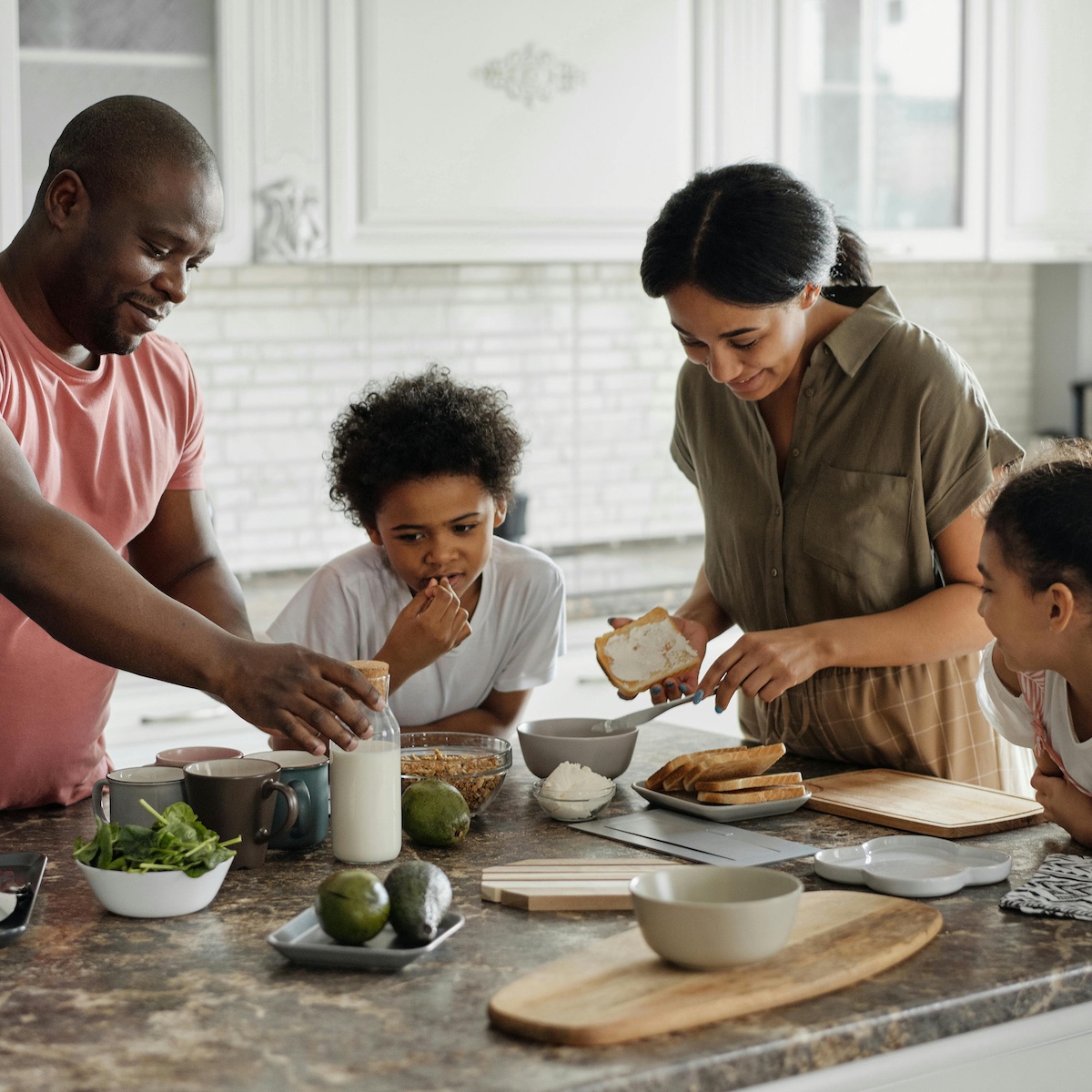
Food plays a central role in family life. Shared meals strengthen relationships, create memories, and encourage better nutrition.
Eating healthy doesn’t have to be complicated; it starts with fresh, whole ingredients and simple recipes.
Cooking together teaches children the value of mindful eating and gives them a sense of involvement.
Planning meals for the week can also reduce stress and prevent unhealthy last-minute choices.
Create Tech-Free Moments
Technology can be both a blessing and a distraction. While it connects us to the world, it can also pull us away from meaningful time with those closest to us. Setting boundaries around screen time allows families to focus on genuine connection.
Try designating certain hours of the day (such as dinner or bedtime) as tech-free zones.
During these times, talk, laugh, play games, or go for a walk. These simple breaks from devices encourage presence and strengthen bonds.
Children especially benefit from seeing adults engage without screens, as it teaches them the value of real-world interaction and mindful living.
Encourage Open Communication
Open communication is one of the strongest foundations for a happy and balanced family.
When everyone feels heard and understood, it builds trust and prevents small misunderstandings from turning into bigger issues.
Encouraging open conversations means creating time and space to talk without rushing or judgment.
It’s not just about discussing tasks or schedules, but also feelings, worries, and achievements.
Parents can lead by example by expressing themselves calmly and honestly. Children learn how to communicate by watching how adults handle emotions and disagreements.
Instead of reacting quickly, try listening first. Ask thoughtful questions and make eye contact to show genuine interest.
Family meetings can also help. A weekly check-in where everyone shares what’s going well and what could be improved keeps everyone connected.
Design Restful Sleep Environments
Restful sleep is vital for physical health, emotional balance, and mental clarity.
Families often underestimate how much the environment affects sleep quality. So, how can you ensure better sleep for everyone?
Simple changes in the bedroom can make a big difference.
Start by keeping the space clean, quiet, and clutter-free.
A room filled with unnecessary items can distract the mind and prevent deep rest.
Use soft, neutral colors that promote relaxation, and choose comfortable bedding that suits the season.
Moreover, turning off screens an hour before bed, dimming the lights, and reading together can signal to the body that it’s time to unwind.
Children benefit greatly from structure at bedtime, and adults reap the rewards of steady rest as well.
🤖 Looking For An Answer?
Ask AI to summarise this post to see if the article answers your questions:
Stay Active Together
Physical activity is one of the easiest and most rewarding ways to bring families closer.
Staying active together keeps everyone healthy while creating opportunities for fun and fostering a sense of bonding. It doesn’t require an elaborate plan or expensive memberships.
A simple walk after dinner, a bike ride on weekends, or dancing in the living room can be enough.
When families move together, they motivate one another and create lasting memories.
Children who see their parents prioritise movement are more likely to develop lifelong healthy habits.
Physical activity also boosts mood and reduces stress, which supports overall family harmony.
- Parents Are Prioritising Breathable, Sustainable Fabrics For Children's Seasonal Sleepwear
- Our Homemade Christmas Printables, Made With AI: What Worked, What Didn't, and What I'm Saving for Next Year
- At-Home vs. In-Lounge IV Therapy in the Hudson Valley: Which Makes More Sense?
- Can Passengers Pursue Compensation After a Car Accident?




Give Back and Practice Gratitude
Families that give back together grow stronger. Volunteering or helping others as a unit teaches compassion and perspective.
Whether it’s serving at a local food drive, cleaning up a park, or helping a neighbor, these acts create shared purpose.
Gratitude also transforms everyday life.
Taking a few moments each day to express appreciation, even for small things, helps everyone see the good that’s already present.
Encouraging children to write thank-you notes, share what they’re grateful for at dinner, or simply say “thank you” more often helps shape positive habits.
Harmony doesn’t come from trying to make sure your life is perfect. It grows from being present, making thoughtful choices, and understanding what truly matters.
Families that focus on listening, resting well, supporting emotional health, staying active, and giving back aren’t just building routines; they’re building values.
Life will always have challenges and busy days, but when love, communication, and care guide your actions, peace naturally follows.





Leave a Reply