

Self-care has come a long way from a face mask and an early night. If you’ve been paying attention to the wellness space lately, you’ve probably noticed red light therapy popping up everywhere. And honestly?
The science behind it is pretty compelling, especially if anti-aging is on your radar.
But here’s where it gets tricky. Two devices dominate the conversation for targeted home use in the US: the Helio Spark and the Joovv Mini 3.0.
Both are credible. Both are pricey enough that getting it wrong stings. So this is the comparison I genuinely wish existed when I started looking into this.
Jump to:
What Red Light Therapy Actually Does for Your Skin
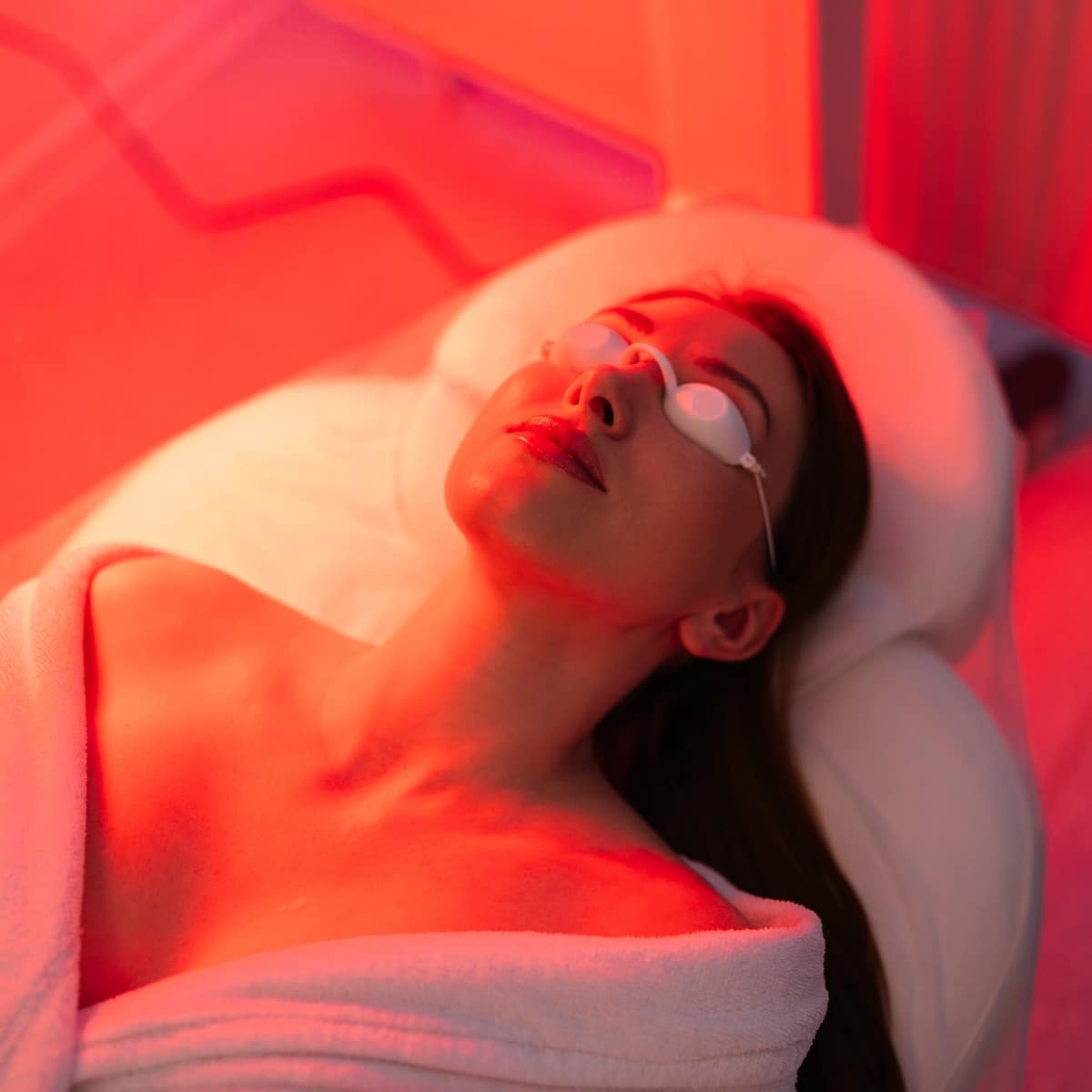
Before comparing the two devices, it helps to understand why red light therapy for anti-aging works. It’s not magic; it’s photobiomodulation. Specific wavelengths of light, typically in the 630nm to 850nm range, penetrate the skin and interact with your mitochondria. This triggers collagen production, reduces inflammation, and supports cellular repair [1].
For anyone dealing with fine lines, uneven texture, or that general “tired skin” situation that tends to creep up on busy parents, these are the mechanisms that matter. This isn’t fringe wellness; it’s increasingly mainstream science.
The Helio Spark: More Wavelengths, Stronger Output
The Helio Spark by Helio Cure has quietly built a solid reputation as one of the best red light therapy devices for anti-ageing at home, particularly for buyers who want clinical-grade performance without the top-tier price tag.
What stands out:
- Six wavelengths: 630nm, 660nm, 810nm, 830nm, 850nm, and 1064nm
- Irradiance: 69 mW/cm² at 12 inches, 55 mW/cm² at 24 inches, and 44 mW/cm² at 36 inches
- Panel size: 11.8 x 11.4 x 2.4 inches
- Control: Touchscreen and remote control
- Price: Around $549 USD with a three-year warranty
It leads the market with the highest LED density at 1064nm, at 19.44%, optimized for deep penetration into skin and muscle tissues, while other brands either skip this extended NIR entirely or use far fewer LEDs. Plus, it contains no blue light, a known disruptor of sleep and circadian rhythms [2], unlike lesser panels.
The six-wavelength design spans four channels (Red: 630+660nm; Lower NIR: 810+830nm; Mid NIR: 850nm; eNIR: 1064nm), with balanced densities like 19.44% for 630nm, 660nm, 810nm and 1064nm, ensuring surface-level anti-aging from 630/660nm pairs with deeper inflammation reduction and repair from 810–1064nm [3], all in one efficient session.
At this irradiance level, just 10–15 minutes provides a solid therapeutic dose, strong performance at a price that punches well above its class
The Joovv Mini 3.0: The Compact Smart Choice for Targeted Therapy
Joovv is the most recognized name in home red light therapy panels in the United States, and the Mini 3.0 is their compact, targeted-treatment device.
It’s designed for buyers who want a smaller footprint without giving up smart features.
What stands out:
- Two wavelengths: 660nm and 850nm
- LED quantity: 60 LEDs (30 Red / 30 NIR)
- Irradiance: Approximately >100 mW/cm² claimed; ~53 mW/cm² verified in independent testing [4]
- Panel size: 14.75 x 8.75 x 2.34 inches
- App Integration: Bluetooth 5.0 app with session tracking, scheduling, Recovery+ mode, and Ambient Mode
- Setup options: Available in tabletop, stand, boot, and door mount
- Price: Around $1,199 USD with a two-year warranty
The Joovv app is genuinely useful. If you’re new to red light therapy and want guidance on session length, frequency, and treatment modes, having that structure in your pocket matters.
Recovery+ mode uses pulsed NIR to support post-exercise recovery, and Ambient Mode provides a softer alternative to blue light in the evening.
The modular ecosystem is worth noting as well. The Mini 3.0 can connect to other Joovv panels, including the Solo and beyond, giving you a path toward full-body coverage without starting from scratch.
The verified irradiance at distance is similar to the Helio Spark (~53 mW/cm² vs. 44–69 mW/cm²), but it covers only two wavelengths rather than six. Its 660nm and 850nm wavelengths are the two most frequently cited in photobiomodulation research [5], so this isn’t a weak device by any measure, but the spectral range is narrower.
Helio Spark vs Joovv Mini 3.0: Side by Side
| Category | Helio Spark | Joovv Mini 3.0 |
| Wavelengths | 630nm, 660nm, 810nm, 830nm, 850nm, 1064nm (6 total) | 660nm, 850nm (2 total) |
| Irradiance | 69 mW/cm² at 12 inches55 mW/cm² at 24 inches44 mW/cm² at 36 inches | >100 mW/cm² claimed; ~53 mW/cm² verified at distance |
| Panel Size | 11.8 x 11.4 x 2.4 inches | 14.75 x 8.75 x 2.34 inches |
| LEDs | 72 | 60 (30 Red / 30 NIR) |
| App Integration | No | Yes (Bluetooth 5.0 app w/ tracking/modes) |
| Modular Design | No | Yes (expandable to Half-Max, Max, Quad, Elite) |
| Price (USD) | ~$549 | ~$1,199 |
| Warranty | 3 years | 2 years |
| FDA Registration | Yes (Class II) | Yes (Class II) |
For anti-aging performance, the Helio Spark delivers broader coverage with its six wavelengths spanning all therapeutic windows: 630/660nm for surface collagen and 810–1064nm for deeper repair. This comprehensive spectrum, combined with competitive irradiance across a wider distance range, makes it particularly effective for skin texture, fine lines, and overall rejuvenation, especially for users prioritizing therapeutic depth over smart features.
The Joovv Mini 3.0 excels in user experience through its app ecosystem, modular expandability, and established brand trust, making it an ideal pick for tech-savvy buyers who want guided sessions and a compact panel that can grow into a larger setup over time.
Simple Tips to Get Real Results
Whichever device you go with, the protocol matters as much as the panel.
Tip #1: Treat four to five times per week, minimum. Red light therapy is cumulative; occasional sessions don’t produce consistent results [6].
Tip #2: Position close to the panel (per device guidelines) for skin work. Irradiance drops significantly at greater distances due to the inverse square law [7].
Tip #3: Cleanse skin before sessions. Per clinical protocol, remove makeup/lotions to ensure optimal light delivery [6].
Tip #4: Track sessions from the start. Clinical studies show visible improvements in skin texture after 6–8 weeks of consistent use [6].
Final Verdict
Choose the Helio Spark if you’re comfortable setting your own session routine, you want maximum therapeutic wavelength output per dollar, and features like app tracking aren’t a priority.
It’s a strong pick for anyone who’s done their research and wants a professional red light therapy panel at a price that doesn’t require much justification.
Choose the Joovv Mini 3.0 if you want a compact panel with guided app support, value Joovv’s brand reputation and modular ecosystem, or plan to expand your setup over time.
- Parents Are Prioritising Breathable, Sustainable Fabrics For Children's Seasonal Sleepwear
- Our Homemade Christmas Printables, Made With AI: What Worked, What Didn't, and What I'm Saving for Next Year
- At-Home vs. In-Lounge IV Therapy in the Hudson Valley: Which Makes More Sense?
- Can Passengers Pursue Compensation After a Car Accident?




The premium covers the platform and features; if you’ll actually use them, the investment makes sense.
For anti-aging specifically, the Helio Spark’s six-wavelength profile covering 630nm to 1064nm gives it the edge in therapeutic completeness.
If collagen production, skin texture, and cellular repair are your main goals, it delivers more of what matters at a price that leaves room for everything else that supports good skin health.
FAQ'S
Yes. Both devices are FDA-registered, emit no UV radiation, and are considered safe for daily use at recommended distances. Starting with four to five sessions per week is a practical approach for most users.
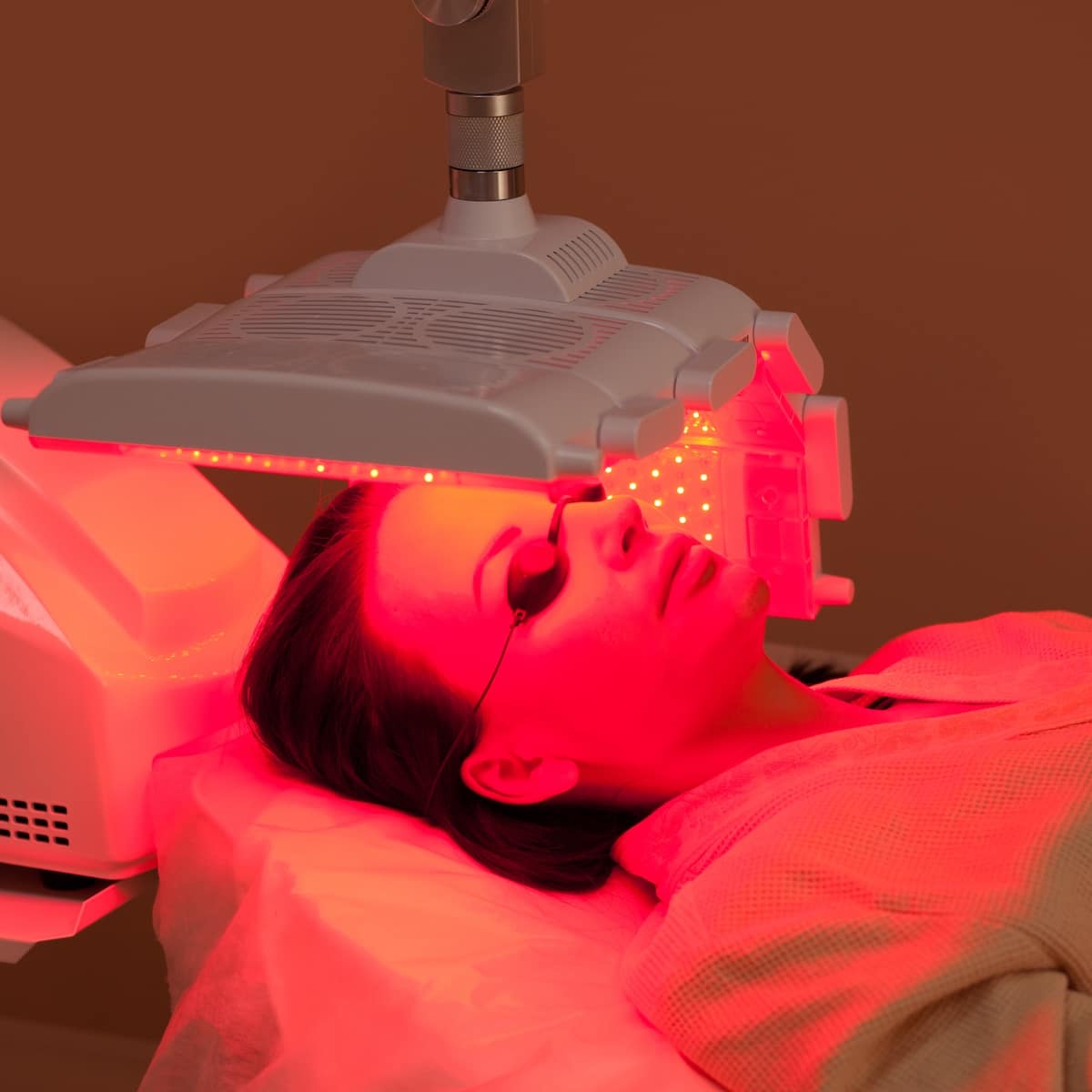
The Helio Spark has a slight advantage due to its 630nm to 1064nm wavelength range, which targets the surface skin layer where most visible aging occurs. Both devices produce meaningful results when used consistently at a recommended distance of 4 to 6 inches away from the face.
Both products offer a 60-day trial or return window, which is one of the more generous policies in the category. However, the Helio Spark offers a three-year warranty compared to two years for the Joovv Mini 3.0.
Yes. The Helio Spark includes five pre-programmed modes: Face & Skin, Pain & Inflammation, Brain Health, Weight Loss, and Hair, making it a versatile device well beyond anti-aging skincare.
Standard NIR (810–850nm) targets the dermis and shallow muscle tissue. The Helio Spark's 1064nm eNIR channel penetrates deeper, into joints, tendons, and muscle layers, at 19.44% LED density, the highest concentration of this wavelength found in a consumer home panel.
References
[1] Ablon, G., & Fabrikant, J. (2023). Reverse skin aging signs by red light photobiomodulation. Skin Research and Technology, 29(7). https://pmc.ncbi.nlm.nih.gov/articles/PMC10311288/
[2] Rahman, S. A., et al. (2011). Blue light from LEDs elicits dose-dependent melatonin suppression. Journal of Applied Physiology, 110(3), 619–627. https://journals.physiology.org/doi/full/10.1152/japplphysiol.01413.2009
[3] Hamblin, M. R. (2017). Mechanisms and applications of the anti-inflammatory effects of photobiomodulation. AIMS Biophysics, 4(3), 337–361. https://pmc.ncbi.nlm.nih.gov/articles/PMC5523874/
[4] Light Therapy Insiders. (2024). Joovv Mini 3 Review. https://www.lighttherapyinsiders.com/joovv-mini-3-review/
[5] Avci, P., et al. (2024). Unlocking the power of light on the skin. Photobiomodulation, Photomedicine, and Laser Surgery, 42(4), 245–256. https://pmc.ncbi.nlm.nih.gov/articles/PMC11049838/
[6] Nam, Y. G., et al. (2023). Reverse skin aging signs by red light photobiomodulation. Skin Research and Technology, 29(7). https://pmc.ncbi.nlm.nih.gov/articles/PMC10311288/
[7] Inverse-square law. (2026, March 6). In Wikipedia. https://en.wikipedia.org/wiki/Inverse-square_law





Leave a Reply