

Gymnastics has a reputation for producing impressive flips and fearless kids, but that surface-level image misses the bigger story.
For many families, gymnastics becomes a steady presence that shapes how children move through the world, how they handle challenges, and how they understand their own capabilities. It is not about raising elite athletes or chasing medals.
It is about giving kids a place to build strength, confidence, and resilience in ways that quietly carry into everyday life.
Parents often notice the changes long before their child masters a cartwheel, and those changes tend to stick.
Jump to:
A Foundation for Physical Literacy That Lasts
Gymnastics teaches kids how to use their bodies with intention. Balance, coordination, flexibility, and spatial awareness are baked into every practice, even at the most beginner level.
These skills form what coaches often call physical literacy, the ability to move efficiently and safely across different activities.
A child who understands how to land, twist, reach, and stabilize is better equipped for everything from playground games to organized sports later on.
Unlike activities that focus on a single repetitive motion, gymnastics requires kids to move in multiple planes.
They learn how to control momentum, shift weight, and recover when something feels off.
This awareness reduces injury risk over time and builds a kind of bodily confidence that is hard to teach in a classroom.
Kids start trusting themselves, and that trust shows up in how they run, climb, and even sit at a desk.
Social Growth Happens Between Turns
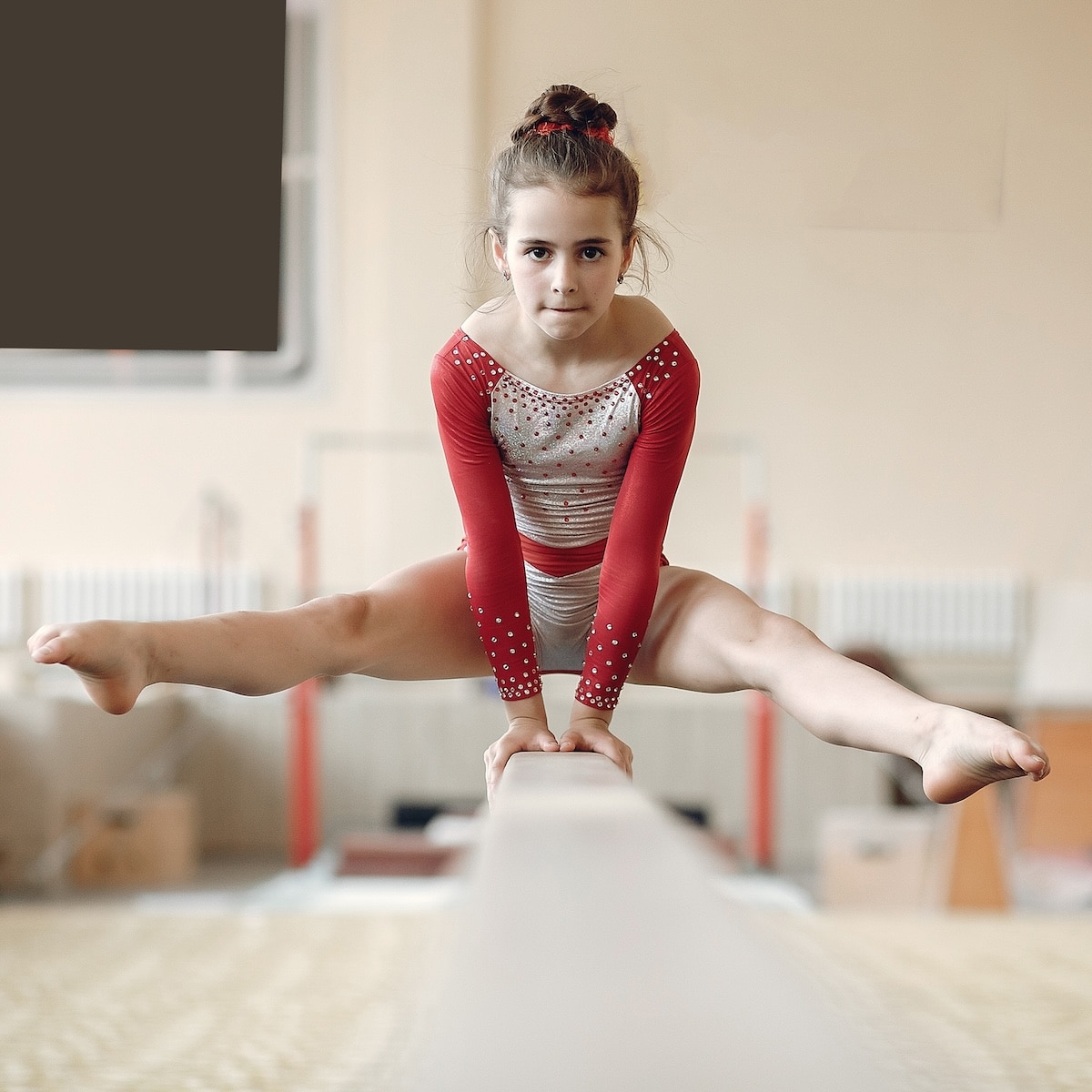
Gymnastics gyms tend to be communal spaces. Kids share equipment, wait their turn, and learn to encourage teammates even when they are working on individual skills.
That environment creates natural opportunities for social growth without forcing interaction. Children learn patience while waiting for a beam, empathy when a friend falls, and pride when someone else nails a routine they have been practicing for weeks.
For families looking for activities like gymnastics in Washington DC, San Diego or wherever you live, the community aspect often matters just as much as the physical one.
Gyms become familiar spaces, coaches become trusted adults, and kids develop friendships grounded in shared effort rather than competition alone.
This sense of belonging can be especially meaningful for children who are still figuring out where they fit socially.
Confidence Built Through Repetition and Recovery
One of the most underrated aspects of gymnastics is how often kids fall. Missed landings and wobbly balances are part of the process. Over time, children learn that falling is not failure. It is feedback.
They get back up, adjust, and try again. That loop builds confidence in a way that praise alone never could.
Gymnastics also offers clear markers of progress. Skills are tangible. A child remembers when a handstand felt impossible, then one day it clicks. That moment reinforces the idea that effort leads somewhere.
Confidence grows not from being told you are good at something, but from proving it to yourself through practice.
Energy Finds a Healthy Outlet
Kids have energy, sometimes more than a living room or school schedule can handle. Gymnastics gives that energy a structured outlet.
Practices are demanding in a way that feels purposeful rather than chaotic. Kids leave tired, but satisfied.
Parents often notice improved sleep, better focus, and fewer restless moments after regular classes begin.
The physical demands of gymnastics support boosting energy in a balanced way, helping kids learn when to push and when to recover.
It teaches them how to listen to their bodies, something many adults are still trying to figure out.
Mental Focus Develops One Skill at a Time
Gymnastics requires concentration. Kids must remember sequences, listen carefully to corrections, and stay present to avoid injury. This focus is not about sitting still; it is about active attention.
Over time, children get better at tuning in, blocking out distractions, and completing tasks step by step.
That mental discipline often carries into schoolwork. Parents report improved ability to follow instructions and persist through challenging assignments.
The gym becomes a place where kids practice focus without pressure, and that practice pays off elsewhere.
Strength Without Early Specialization Pressure
Unlike some youth sports, gymnastics does not demand early specialization in a single role. Kids rotate through events, building strength evenly across their bodies.
This balanced development supports long-term athletic health and reduces burnout.
Gymnastics can also serve as a strong base for other activities. Many athletes credit early gymnastics training for their success in sports such as soccer, diving, dance, and martial arts.
Even kids who eventually move on carry the benefits with them, stronger cores, better balance, and a deeper understanding of movement.
- Parents Are Prioritising Breathable, Sustainable Fabrics For Children's Seasonal Sleepwear
- Our Homemade Christmas Printables, Made With AI: What Worked, What Didn't, and What I'm Saving for Next Year
- At-Home vs. In-Lounge IV Therapy in the Hudson Valley: Which Makes More Sense?
- Can Passengers Pursue Compensation After a Car Accident?




Gymnastics offers kids more than physical skills. It gives them a place to test themselves, to fail safely, to succeed through effort, and to belong to a community that values growth over perfection.
Those lessons extend far beyond the gym, shaping how children approach challenges long after the mats are rolled up.





Leave a Reply