

Beginner-Friendly Chicken Coop Purchasing Guide helps new poultry owners understand what makes a coop both functional and safe.
A well-designed chicken coop provides security from predators, proper ventilation, and enough space for the flock to move comfortably.
When selecting a coop, consider chicken coop size requirements based on how many hens you plan to raise, as overcrowding can lead to stress and reduced egg production.
Durable materials, easy-to-clean flooring, and insulated walls help maintain a healthy environment through all seasons.
Investing in predator-proof chicken housing ensures your hens stay protected from raccoons, foxes, and other threats.
With the right setup, caring for your chickens becomes easier, more enjoyable, and rewarding for years to come.
Jump to:
Space Needs and Layout
The floor area of the Chicken Coops must match the number and breed of hens you plan to house.
For example, standard birds often require about two to three square feet inside shelter per bird; bantams require less.
Run space outside that house should be generous so hens can stretch, scratch, and roam without major crowding.
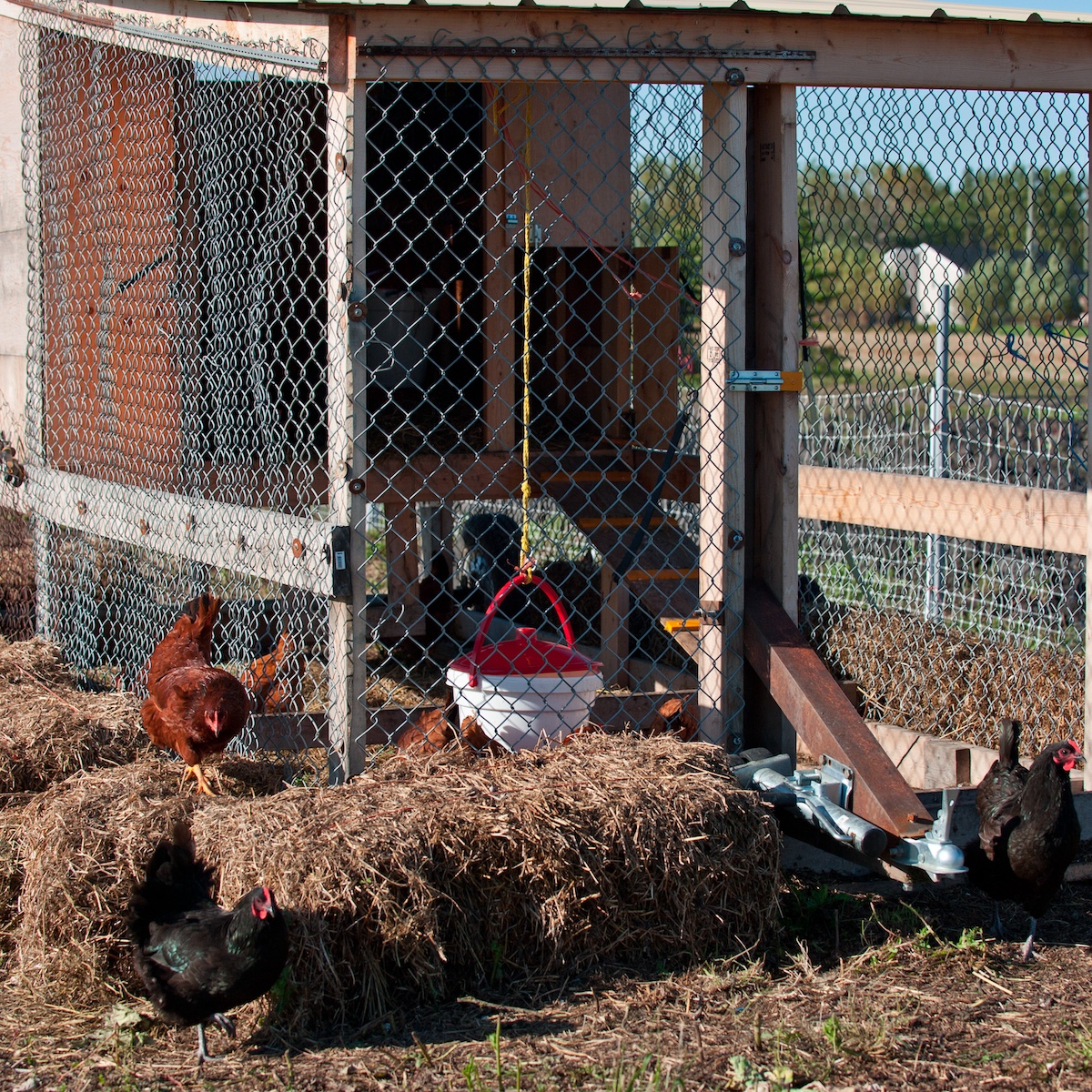
Layout also involves placement of nest boxes, roosts, feeders, and waterers, so access is easy and maintenance is simple.
Windows, doors, and vents matter for layout, too. A door large enough for a keeper to enter simplifies daily chores.
Nest boxes should be low enough for hens to reach without jumping, yet separated from roosts.
Floor height above ground helps avoid water pooling and discourages predators from digging under.
Ventilation and Light
Good airflow prevents the buildup of moisture and ammonia, which harm respiratory health.
The shelter needs vents high up and optionally windows that open; drafts must be avoided at bird level.
Natural light supports egg cycles; light transmission through walls or windows enhances mood and productivity.
If daylight is short, low-wattage bulbs may help, provided heat and safety are accounted for.
Insulation helps maintain comfortable internal temperatures without suffocating the hens.
Roof and walls should resist leaks and block wind. Some pads or lining under the roof surface can cut heat gain in summer.
In cooler months, panels or shutters over windows reduce heat loss and allow light when needed.
Material Quality and Strength
Wood is common for frames and walls, given its strength and workability. Treated or rot-resistant lumber reduces decay risk.
Metal roofs resist moisture but may require insulation to avoid overheating.
Wire mesh on openings should be durable; fine hardware cloth deters predators.
Hinges, locks, and fasteners must resist corrosion and withstand frequent use.
Floor materials matter for hygiene and durability. Solid floorboards or thick plywood make cleaning litter easier.
Raised floors help avoid dampness from soil.
Removable droppings trays or boards under roosts reduce labor.
Non-slip surfaces help hens avoid injury, especially in cold or wet weather.
Prioritize Comfort
Nesting spots should be dark, dry, and private. One box per four or five laying hens works well.
Bedding must be soft, absorbent, and replaced regularly to avoid pests. Boxes should avoid being walk-through routes so bedding stays clean.
Roosts let birds sleep off the ground; perching bars should have rounded surfaces and enough space per bird.
Height is important; make sure that it's not too extreme to avoid joint stress.
Arrange roosts so droppings fall away from nest or feeding areas. Smooth finishes avoid splinters.
Predators, Protection, and Security
Strong walls and mesh reduce intrusion by foxes, raccoons, and snakes. Hardware cloth along the base avoids digging.
Doors and lids need secure latches that wild animals cannot open.
Roof over run areas protect against aerial predators.
Any gaps or weak points invite trouble. Inspect the base for holes, and repair rusting wire.
Check for rodent access under the floor or in the vents. Use buried wire or concrete footings in vulnerable zones.
Lights on the outside can deter nocturnal prowlers.
Access, Cleaning, and Maintenance
Full-size entry door lets a keeper carry feed or tools easily. Exterior access to the chicken house speeds egg retrieval.
Doors or panels that open wide make litter removal and replacing bedding easier.
🤖 Looking For An Answer?
Ask AI to summarise this post to see if the article answers your questions:
Routine Tips for Cleaning
- Use absorbent litter such as pine shavings or straw to reduce odor.
- Place droppings boards below perches to catch waste nightly.
- Inspect the roof water runoff points to avoid leaks.
- Seal small cracks where pests may enter unnoticed.
Materials that resist rot or absorb less moisture reduce decay. Be able to hose or brush interior; durable paint or sealant helps protect wood.
Fastener quality influences how often repairs are needed. Vent and mesh cleaning over time prevents clogging from feathers or debris.
- Parents Are Prioritising Breathable, Sustainable Fabrics For Children's Seasonal Sleepwear
- Our Homemade Christmas Printables, Made With AI: What Worked, What Didn't, and What I'm Saving for Next Year
- At-Home vs. In-Lounge IV Therapy in the Hudson Valley: Which Makes More Sense?
- Can Passengers Pursue Compensation After a Car Accident?




Price Value
Cost can vary widely between a basic run with a simple shelter and a heavy-duty model with multiple features. Evaluate long-term value over upfront cost.
Higher-grade materials typically require less repair and last longer.
Some designs include warranties or modular parts, which may extend usable life.
If the flock grows, add space or nesting spots for future expansion.
Sometimes paying extra for an option that improves bird welfare or saves labor pays off quickly in less illness or lower feed waste.
Weight of materials, local availability, and transport cost matter too.
Chicken coops that offer adequate space, solid materials, proper ventilation, secure protection, and easy maintenance help keep birds safe, active, and productive.
Weighing price against durability and planning ensures comfort for both bird and keeper.
A sound investment yields many good eggs and less hassle over time.





Leave a Reply