

You don’t need a cape or superpowers to be a hero. Real heroes are ordinary people who act when it matters most — the friend who stays calm during an emergency, the parent who knows how to keep their child safe, or the passerby who steps up to help a stranger in need.
Sometimes, the difference between tragedy and safety comes down to simple skills anyone can learn. From first aid and communication to emotional strength, these everyday abilities can empower you to protect others and yourself when life takes an unexpected turn.
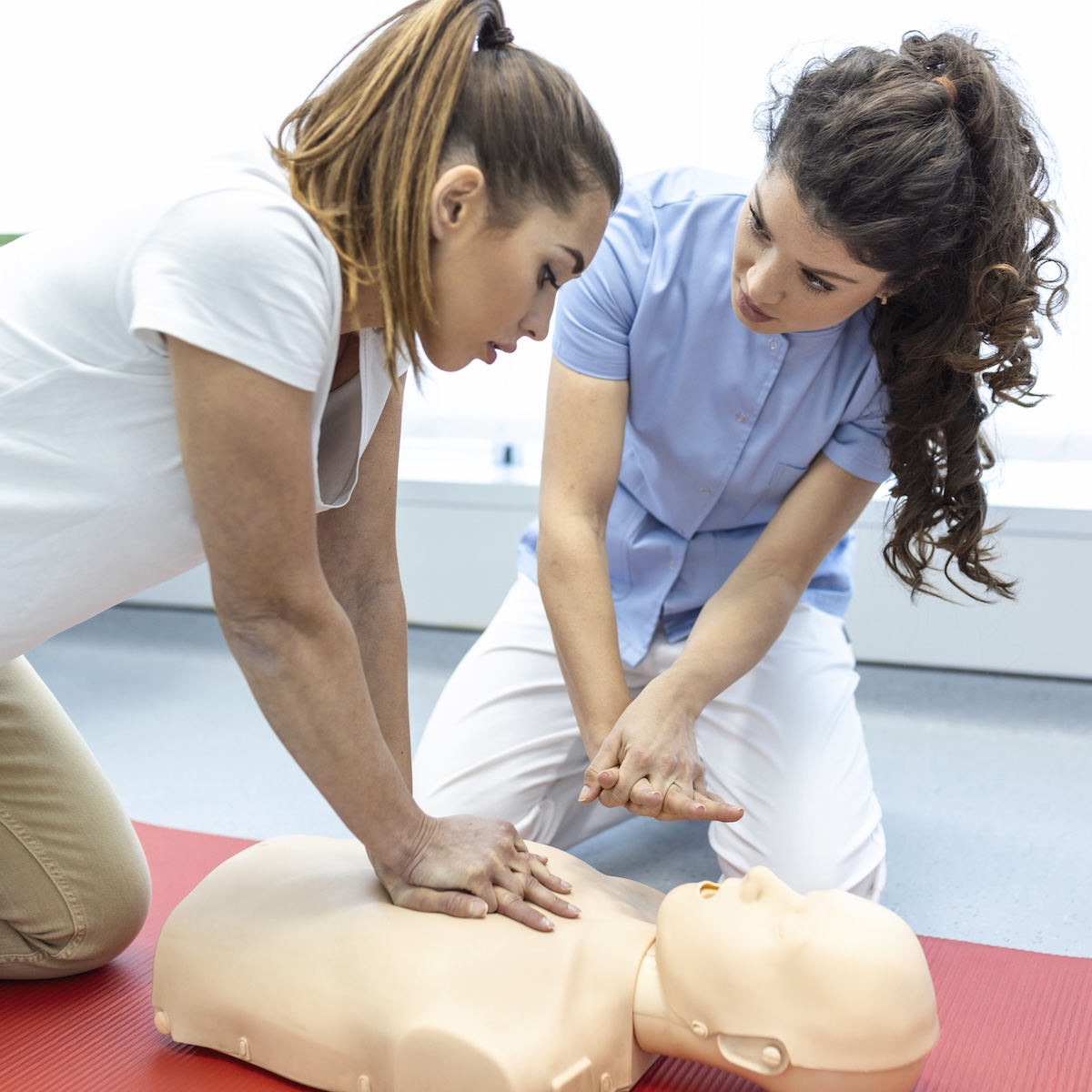
1. Quick Action: Learning CPR
Emergencies often arrive without warning. Someone collapses, and suddenly every second feels like forever. Knowing how to perform CPR can be the deciding factor between life and death before medical help arrives. It’s not a complicated skill, but it requires confidence — and that comes from practice.
Most communities offer short CPR courses that teach you how to recognize cardiac arrest, perform chest compressions, and give rescue breaths correctly. These few hours of training could help save a loved one’s life someday. And the best part? Once you learn it, that knowledge stays with you forever.
2. Water Safety Starts Early
Water can be both soothing and dangerous. Children, especially, need to be equipped with survival skills around water. That’s where ISR swimming (Infant Self-Rescue swimming) plays a crucial role. It teaches even very young kids how to roll onto their backs, float, and breathe until help comes — a small skill that has saved countless lives.
But safety around water doesn’t end with children. Adults, too, should learn how to recognize risky conditions, rescue safely, or respond calmly if someone struggles in the water. Water confidence doesn’t just make swimming more enjoyable — it ensures that you and your loved ones are prepared for the unexpected.
3. First Aid: The Power of Preparedness
Accidents happen everywhere — at home, work, or outdoors. A fall, a burn, or a cut might seem small, but knowing what to do right away prevents things from getting worse. Basic first aid teaches you how to handle wounds, recognize signs of infection, treat minor burns, and immobilize sprains.
Keeping a stocked first aid kit is just as important. Bandages, antiseptic wipes, adhesive tape, and gloves are simple items that can make a big difference when time matters. A little preparedness gives you peace of mind and the ability to act instead of panic.
🤖 Looking For An Answer?
Ask AI to summarise this post to see if the article answers your questions:
4. Fire Safety: Staying Calm in the Heat of the Moment
House fires can spread faster than most people realize. In just minutes, smoke can fill a room and make escape difficult. That’s why it’s essential to know more than just “stop, drop, and roll.” Learn how to operate a fire extinguisher, test smoke alarms monthly, and make a clear evacuation plan with your family.
Teach children to recognize alarms and never to hide during a fire. Simple actions like unplugging unused devices, keeping candles away from curtains, and storing flammable liquids safely can drastically lower your risk. Safety begins with awareness, not fear.
5. Self-Defense and Street Smarts
Danger doesn’t always announce itself. Whether walking home at night or traveling solo, having basic self-defense knowledge can give you confidence and control. You don’t need advanced martial arts training — simple moves and techniques that focus on awareness, avoidance, and quick escapes are often enough.
Equally important is your mindset. Always trust your instincts, stay alert to your surroundings, and know when to walk away. Many community centers offer beginner self-defense classes that empower people of all ages and physical abilities to protect themselves.
6. Effective Communication in Emergencies
Sometimes, being a hero simply means knowing how to communicate clearly. In a crisis, your words can direct others to safety or help responders understand the situation faster. Keep important numbers — like emergency services, family contacts, and local hospitals — saved in your phone and written down at home.
Practice explaining emergencies calmly. For example, if you ever have to call for help, give your exact location, describe what happened, and follow instructions carefully. Good communication saves valuable time — and lives.
7. Emotional Strength and Leadership
When chaos unfolds, the calmest person in the room often becomes the leader. Emotional strength — the ability to stay composed and think clearly under pressure — is one of the most underrated heroic traits.
You can build it through mindfulness, deep breathing, and situational awareness. Learn to ground yourself before reacting and offer reassurance to others. People remember not just what you did, but how you made them feel. Your calm can help others find theirs.
8. Everyday Acts of Kindness
Not every heroic moment happens during a crisis. Sometimes, being a hero is about small, consistent acts of kindness — helping an elderly neighbor carry groceries, volunteering at a shelter, or offering a listening ear to someone going through a hard time.
These gestures may seem simple, but they can change lives in quiet ways. They remind others that compassion still exists and that we all have the power to make the world a little safer, warmer, and more connected.
9. Teaching Others to Be Ready
True heroism spreads through sharing knowledge. Teach your children or younger siblings how to stay calm, call for help, and handle emergencies responsibly. Encourage your community to take safety workshops together or participate in preparedness drives.
When more people know what to do, everyone becomes safer. A community full of everyday heroes creates a ripple effect — a culture of awareness and action that benefits everyone.
Being the hero isn’t about dramatic rescues or once-in-a-lifetime moments — it’s about being ready to act when others hesitate. It’s about staying calm, making smart choices, and showing compassion when it counts the most.
You may never know when those few hours spent learning CPR, first aid, or water safety will make all the difference. But when that moment comes — when someone needs guidance, care, or courage — you’ll be ready. Because true heroism isn’t about fame or glory. It’s about heart, preparedness, and the quiet strength to step forward when life calls for it.





Leave a Reply