

A bathroom should do more than look impressive when the renovation is finished. It should support daily routines, stay comfortable as household needs change, and withstand constant moisture and use. The best results come from planning around function before choosing finishes.
Consider movement, lighting, storage, maintenance, and construction quality together, and the room can remain attractive and practical long after the excitement of a new design has faded. Planning ahead also helps you avoid costly changes once demolition and installation are underway.
Jump to:
- Start With the Problems You Actually Live With
- Set a Budget That Protects the Essential Work
- Choose Materials for Performance as Well as Appearance
- Design the Layout Around Everyday Movement
- Plan Lighting for Different Tasks and Times of Day
- Protect the Room With Ventilation and Waterproofing
- Make Storage Match the Way You Use the Room
- Use Trends Carefully and Review the Details Before Completion
- Build for the Years Ahead
Start With the Problems You Actually Live With
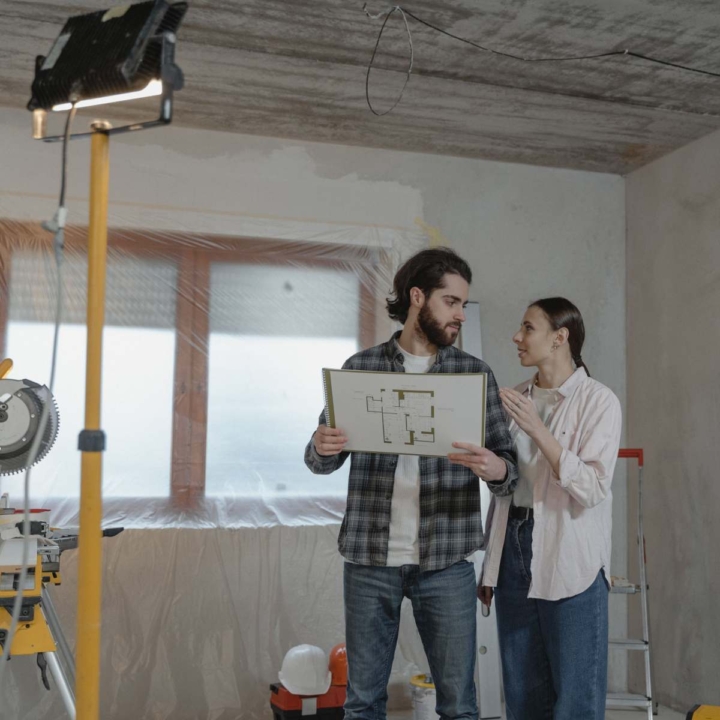
Before browsing tile or vanity colors, observe how the bathroom works each week. Perhaps the mirror lighting makes getting ready difficult, the shower collects water in a corner, or two people compete for the same sink. Write down specific frustrations and when they occur. This turns vague dissatisfaction into a useful renovation brief.
Prioritize circulation, storage, moisture control, lighting, durability, and cleaning effort. A small bathroom may need space-saving fixtures, while a family bathroom may benefit more from easy-clean surfaces and hardware. Let real habits guide the design, including the needs of children, guests, or aging household members.
Set a Budget That Protects the Essential Work
Prioritize labor, plumbing, electrical work, ventilation, waterproofing, and installation. Then budget for durable surfaces and fixtures before decorative extras. Keep a contingency for hidden damage, especially in older homes where leaks or deteriorated subfloors may appear during demolition.
Separate permanent decisions from easy updates. Shower dimensions, drainage, tile installation, and rough plumbing are expensive to redo. Paint, mirrors, accessories, and some lighting can be changed more easily. When comparing bathroom remodeling options, look beyond appearance and ask how the materials, construction methods, and scope will perform over time. A detailed estimate helps you compare proposals fairly. Confirm what is excluded before signing any agreement.
Choose Materials for Performance as Well as Appearance
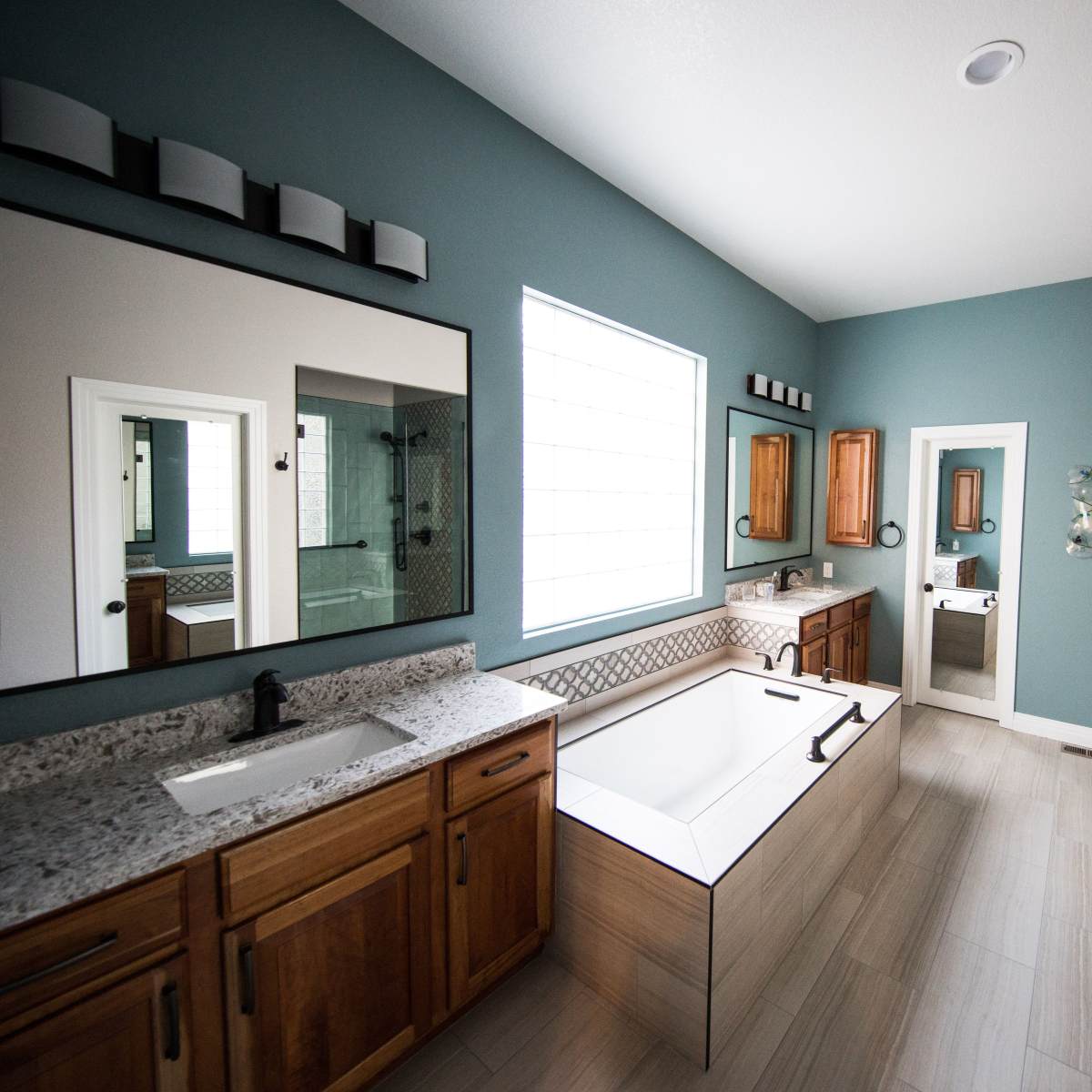
Bathrooms expose surfaces to water, humidity, cleaning products, and frequent use. Compare flooring, counters, cabinetry, and fixtures by moisture resistance, slip performance, maintenance, and lifespan. Porcelain tile is durable, while quartz counters are a low-maintenance alternative to some natural stones.
Ask practical questions before buying. Will the floor become slippery when wet? Does the finish show water spots? Can the vanity tolerate steam? Are replacement parts readily available? A cheaper material may become expensive if it stains, chips, or needs frequent upkeep. Choose finishes that suit the room and the maintenance you are willing to do. Keep samples to compare colors in both daylight and artificial light.
Design the Layout Around Everyday Movement
A bathroom can meet clearance requirements and still feel awkward. Consider how doors swing, drawers extend, and people move between the sink, toilet, and shower. Map your routine from entering to drying off. If you must squeeze past a door or reach across a wet floor, revisit the layout.
In compact spaces, a wall-mounted vanity can open up floor area, while recessed niches keep shower products off ledges. Pocket doors may help, although privacy, sound, and wall framing matter. Have a qualified professional check clearances. Check that towel bars and hooks are reachable. The goal is not simply to fit every fixture; it is to make the room comfortable to use.
Plan Lighting for Different Tasks and Times of Day
One ceiling fixture rarely provides the right light for every bathroom activity. Use layered lighting: general illumination, even task lighting around the mirror, and suitable shower lighting. Well-positioned vanity lights can reduce facial shadows and make grooming easier. Select fixtures rated for their locations, and use a qualified professional for electrical work.
Color temperature affects how finishes and skin tones appear, so avoid mixing noticeably different bulb tones. Dimmers or a low-level night light can make late-night visits less disruptive. Consider natural light before finalizing mirror and fixture positions. Place lighting controls conveniently.
Protect the Room With Ventilation and Waterproofing
Moisture control is essential. An exhaust fan should remove humid air and discharge it outdoors, not into an attic or enclosed space. Consider noise and ease of use. The Environmental Protection Agency discusses ventilation and moisture management in its guidance on indoor environmental concerns during remodeling.
Waterproofing deserves equal attention. Shower substrates, membranes, drains, and transitions must be installed as a coordinated system. Ask contractors how they slope the shower floor and check the waterproofing. The EPA's best practices for indoor air quality during remodeling also explain ways to control dust and pollutants during construction.
Make Storage Match the Way You Use the Room
Storage works best when daily essentials are easy to reach, and backup supplies have a separate place. List toiletries, towels, cleaning products, grooming tools, and medications, then assign each category a location. Drawers often make small items easier to find than deep cupboards.
Measure carefully and check that doors and drawers can open without hitting the toilet, shower screen, or doorway. Place shower niches where you can reach them comfortably. Plan outlets for grooming tools with safety and applicable electrical requirements in mind. Thoughtful storage reduces counter clutter and makes daily cleaning easier, helping the room feel organized years after renovation. Leave some open space for items you may add later.
Use Trends Carefully and Review the Details Before Completion
A timeless bathroom does not have to feel plain. Use distinctive colors, mirrors, sconces, and hardware where they can be changed easily. For permanent surfaces, consider whether the style will suit the home when trends fade. Simple profiles and durable neutral foundations offer flexibility. Choose finishes that complement the rest of the home.
Before final payment, inspect the room with the contractor. Test faucets, drains, fans, lights, outlets, drawers, and shower doors. Look for uneven grout, damaged finishes, standing water, or leaks. Collect warranties, product details, and care instructions. A careful handover helps you maintain the room and provides useful records if repairs are needed.
Build for the Years Ahead
A successful bathroom remodel is measured by how well the room supports everyday life. Prioritize movement, durable materials, lighting, storage, and moisture protection. Make permanent choices carefully and keep decorative updates flexible. With thoughtful planning, the room can remain consistently comfortable well beyond five years.



Leave a Reply