

Creating a Backyard That Grows with Your Family means designing an outdoor space that adapts to every stage of life. A flexible backyard can start with a safe play area for toddlers, then evolve into a space for tween games or teen hangouts.
Include durable outdoor furniture that works for both kids’ activities and adult gatherings.
Add shaded areas for sunny days and cosy lighting for evening relaxation. Consider low-maintenance plants and lawns so upkeep stays easy. Incorporate storage for toys, sports gear, and gardening tools to keep things tidy.
A fire pit or outdoor kitchen can make the backyard a hub for family get-togethers. Design pathways or zones to separate play areas from quiet spaces.
Plan with safety features like secure fencing and slip-resistant surfaces. With thoughtful choices, your backyard can grow and change right along with your family’s needs.
Thoughtful planning helps you get more from every square meter, while reducing chores and costs over time.
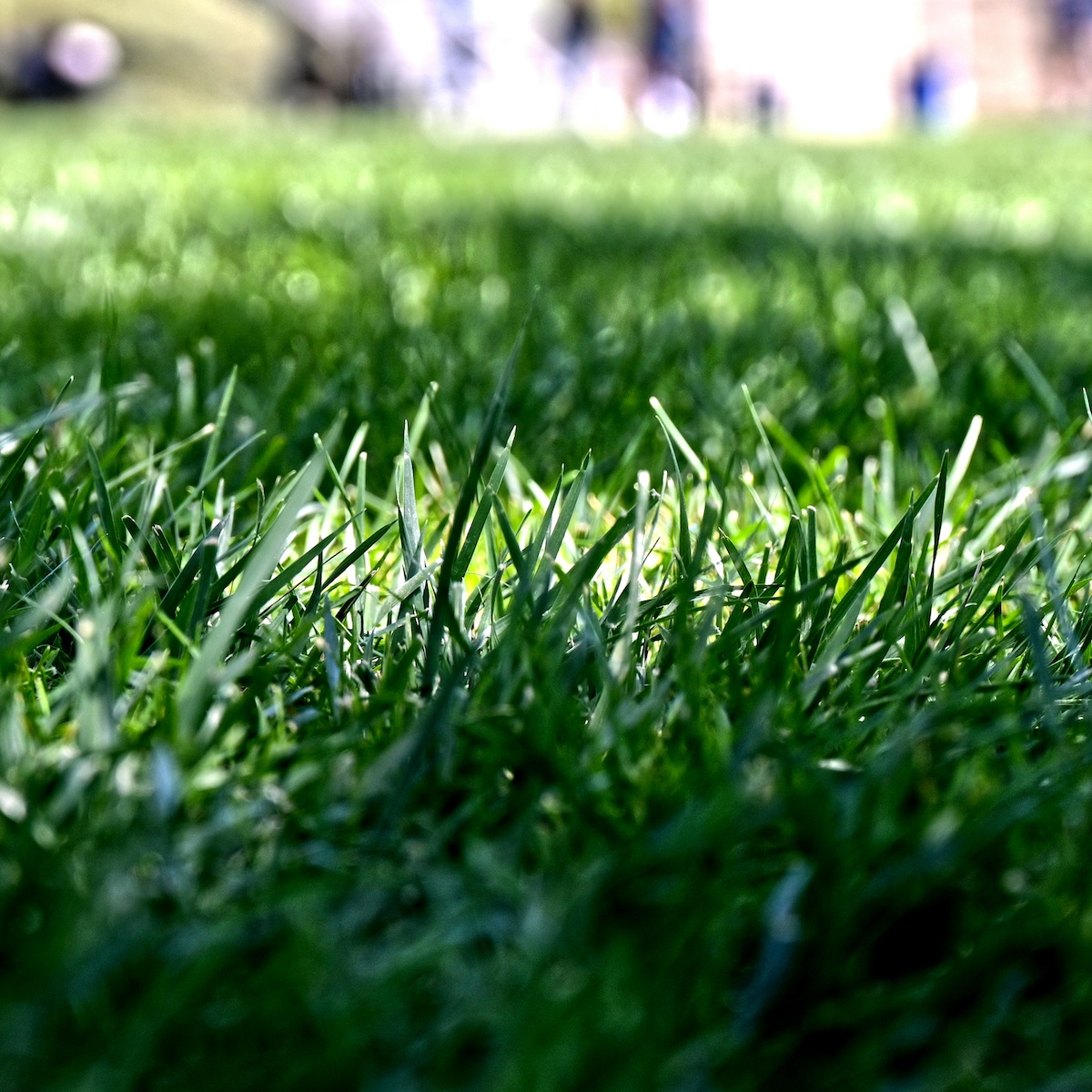
Many families also explore custom artificial grass as a durable, low-maintenance foundation that supports shifting needs without constant upkeep.
With a smart layout and the right materials, your yard can evolve gracefully as your family does.
Jump to:
Begin with a Future-Ready Plan
Start by drawing a picture of how your family currently uses the space and how they may use it in three to five years.
When you have young children, soft landing zones and open play areas might be a priority; when teens are in the picture, shaded seating and a fire pit might be of a higher priority.
Mark the movement of the sun and drainage patterns to avoid placing essential features in the wet or the hot areas.
This forethought will avoid costly corrections in the future and help your yard feel like one unit as you modify it.
Think in areas, not fixed attributes.
An ample central space can accommodate ride-on toys at present and lawn games later, with a side strip changing over time, in interest, between a sandbox and raised beds of herbs. Make circulation easy, and direct paths back to the house, seating, play, and storage.
Once zones are established with the help of such minor details as edging and lighting, you can easily alter their use without ripping everything out.
Choose Surfaces That Balance Comfort and Durability
The correct surface selection is either a success or a failure in usability, particularly for kids and pets. Resilient, simple-to-clean groundcovers in high foot traffic areas are preferred by many families to prevent mud and mess. Modern turf, pavers, or composite decking have permeable base systems that assist in drainage, making play areas safer and less prone to slip risks following rain. The use of cool-touch materials and non-glare finishes makes them more comfortable in the hot months.
Create Multi-Age Zones in Design Multi-Use
One space can serve two functions when it is well-designed.
An open rectangle, flat on the ground, may be a toddler splash mat during the day, pop-up soccer goals in the afternoon, or an outdoor movie screen on Friday nights.
Keep permanent furnishings to the periphery so you can move the centre around as needs require. Folding benches, portable planters, and roll-away storage make transitions fast and painless.
🤖 Looking For An Answer?
Ask AI to summarise this post to see if the article answers your questions:
Make Safety and Maintenance Part of the Design
Safety ought to be baked in rather than bolted on. Use curved edges on borders, maintain a clear view into the kitchen or patio, and make sure that pathways are stroller or wheelbarrow-wide.
Provide soft-fall surfaces beneath play equipment and ensure that swings and slides have clearances.
Proper lighting on steps and transitions will ensure safe use into the evening and decrease the risk of tripping for all ages.
It is low maintenance that makes a backyard lovable once the novelty wears off.
Choose drought-tolerant plants and arrange them according to their water requirements. Drip lines should be run below the mulch to minimise evaporation.
Wisely hardscape with permeable pavers or well-draining bases that will not heave and puddle, reducing repairs.
Choose easy-to-hose-down finishes and hardware that doesn't rust, and weekend clean-ups remain brief.
Upgrade Smartly and Seasonally
When your family expands, replace modular components first, before redesigning on a large scale.
Umbrellas may be substituted with freestanding shade structures, and a small patio can be extended with interlocking deck tiles that do not require permanent footings.
In case sport is a priority, turf out an area to play mini-games or put in a small putting green to promote skill development. Such focused changes have a high impact and low disturbance.
Take the seasons as reminders to review what is working.
Spring: test drainage and renew mulch, summer: test shade and add misting or fans, autumn: install winter months storage. The yard is kept evolving through small changes that are made regularly.
The rhythm also assists in budgeting, as you only need to cover the costs throughout the year as opposed to all at once.
Conclusion
Your grow-with-you backyard is a space that is constructed on adaptable areas, long-lasting materials, and functional features that simplify daily living.
With a bit of foresight into the shifting ages and interests, using materials that strike a balance between comfort and durability, and making changes by adding a little bit here and there, you can make an outdoor space that evolves with you.
The key to a successful playdate, study session, and adult evening with friends is the right foundation so that your yard is welcoming, safe, and a low-maintenance pleasure to enjoy year after year.





Leave a Reply