

Quick street snacks and elaborate family feasts showcase incredible differences in flavor and presentation.
Wide geographical distances, varied climates, and centuries of trade shaped these distinct cooking habits.
Every region offers unique ingredient combinations, cooking methods, and family recipes. Learning about these traditions reveals how local environments influence daily meals.
Jump to:
- Expansive Geography Shapes Distinct Flavors
- A Vast Continent with Diverse Regional Profiles
- The Foundation of Fermentation and Pantry Staples
- Four Thousand Years of Noodle Making Traditions
- Balancing Sweet, Sour, Salty, and Spicy Flavors
- Dough-Wrapped Delicacies Across Regions
- Global Demand for Authentic Regional Traditions
Expansive Geography Shapes Distinct Flavors
Home cooks and restaurant diners encounter hundreds of regional specialties.
Finding quality pan-fried items like gyoza & potstickers at home provides an easy gateway to these rich food traditions.
With simple preparation methods, everyday cooks can experience authentic styles without spending hours in the kitchen.
Local geography dictates what grows in fields and what comes from nearby waters.
Coastal communities lean heavily on fresh seafood and dried seaweed, whereas mountain areas depend on preserved meats and root vegetables.
Environmental factors create clear contrasts between neighboring provinces.
River valleys provide fertile soil for grain farming and fresh agricultural produce. Inland trading posts historically shared spices, herbs, and cooking oils across vast distances.
A Vast Continent with Diverse Regional Profiles
Different climate zones across dozens of countries produce different agricultural choices.
Local climates determine whether rice or wheat serves as the primary staple food in distinct regional populations.
Northern regions lean toward wheat-based breads, rich noodle soups, and hearty stews designed for cold winters.
Southern regions benefit from tropical weather that supports year-round rice farming and fresh herbs.
Ancient trade routes introduced chili peppers and aromatic spices that became permanent fixtures in local kitchens.
Highland communities preserve meats through smoking and drying to survive cold seasons.
The Foundation of Fermentation and Pantry Staples
Deep flavour profiles in regional cooking depend on pantry staples built through time-honoured preservation methods.
Liquids and pastes add depth to simple vegetable and meat dishes across regional kitchens.
Preservation techniques developed long before refrigeration remain central to daily cooking.
The incredible variety in Asian cooking stems from hyper-local ingredients combined with centuries-old preservation methods like pickling and fermentation.
Fermented beans, pickled cabbages, and salted fish provide depth that quick seasoning cannot replicate. Keeping basic pantry staples on hand lets cooks build authentic sauces quickly.
Four Thousand Years of Noodle Making Traditions
Noodles hold a central position in everyday dining across East, Central, and Southeast Asia.
Culinary history shows that noodle-making techniques in East Asia date back thousands of years and have evolved into hundreds of regional shapes and textures.
Every culture developed methods for mixing, rolling, and shaping dough.
Hand-pulled wheat noodles, thin rice vermicelli, and chewy glass noodles each serve specific culinary roles. Cooks stretch, slice, or press dough directly into boiling water or hot broth.
Some noodles absorb rich bone broths, whereas others are wok-tossed over high heat with crisp vegetables. Fresh handmade noodles are a staple in morning markets.
Balancing Sweet, Sour, Salty, and Spicy Flavors
Balancing contrasting tastes is a core principle in many regional kitchens.
Street food cultures in Southeast Asia depend on a harmony of four key tastes: sweet, sour, salty, and spicy.
Meals aim to harmonise these distinct elements rather than letting one flavour dominate.
Cooks combine specific ingredients to achieve this balance across different courses:
- Palm sugar and coconut cream for rich sweetness
- Tamarind paste and fresh lime juice for sharp acidity
- Fish sauce and fermented shrimp paste for savory saltiness
- Fresh chili peppers for direct heat
Incorporating these elements in precise ratios transforms simple produce and meats into complex meals.
Diners adjust seasonings at the table using condiment trays filled with chilli oils, vinegar, and ground peppers.
Dough-Wrapped Delicacies Across Regions
Wrapped items are some of the most recognizable comfort foods in Asian food culture.
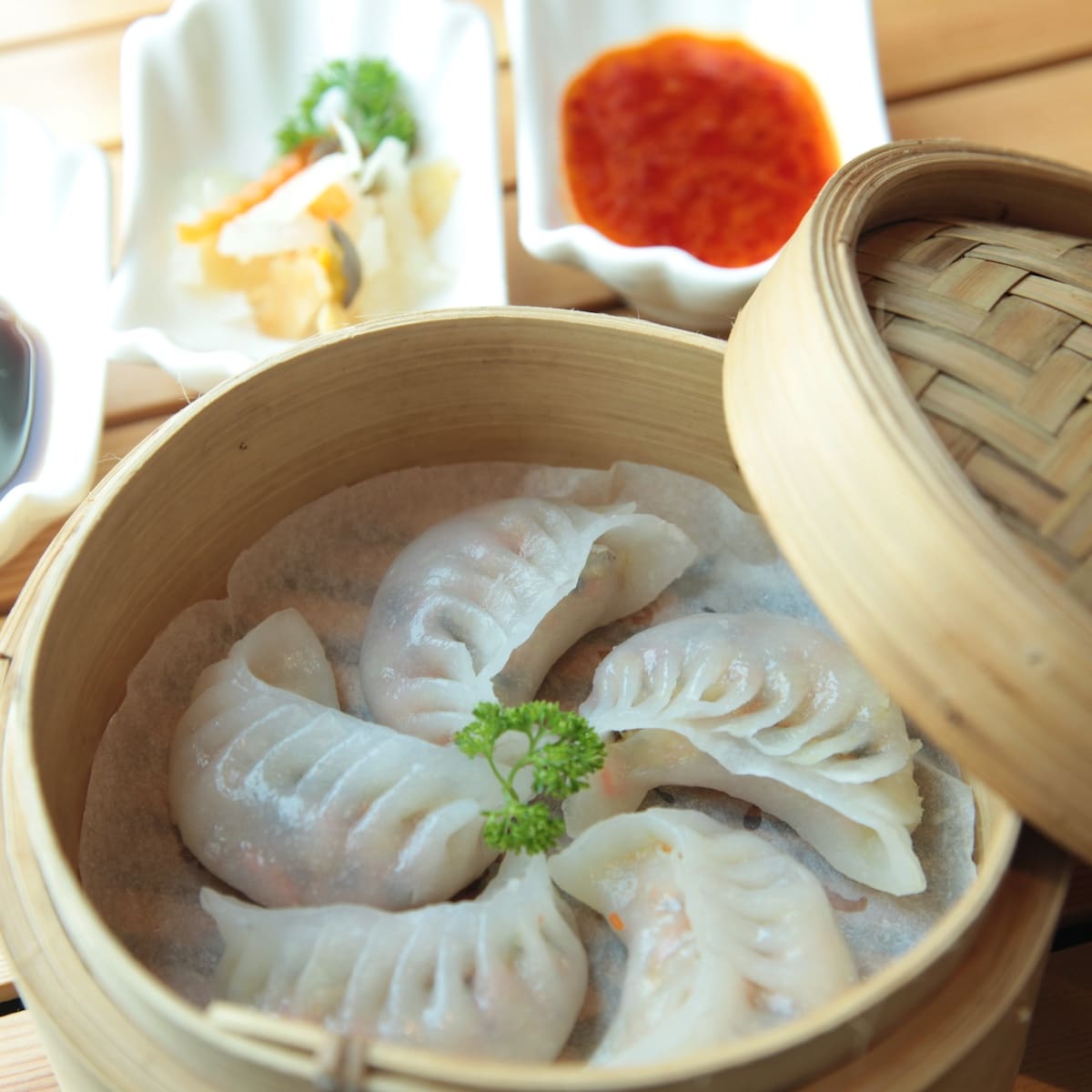
Dough-wrapped delicacies represent versatile culinary traditions on the continent, ranging from steamed dim sum to pan-fried dumplings.
Simple wheat or rice wrappers enclose savory fillings cooked in various ways.
Wheat wrappers, rice paper, and tapioca starch dough create distinct textures when cooked.
Fillings reflect local availability and often include minced pork, ground beef, shrimp, or seasoned mushrooms.
Steaming creates soft skins, pan-frying delivers a crisp crust, and boiling works for clear soups. Dipping sauces add more flavor to wrapped delicacies.
Global Demand for Authentic Regional Traditions
Interest in authentic regional cooking continues to grow among international food lovers.
Consumer preference for authentic regional Asian dishes grew by 28 per cent over the past two years.
Modern diners seek traditional recipes that showcase original regional spices and cooking methods.
Food enthusiasts seek out specific regional styles rather than broad adaptations.
Greater access to specialty ingredients makes home preparation easier than in previous decades.
Supermarkets stock specialized sauces, fresh produce, and high-quality frozen items.
Learning traditional techniques helps home chefs recreate restaurant-quality dishes.
- Parents Are Prioritising Breathable, Sustainable Fabrics For Children's Seasonal Sleepwear
- Our Homemade Christmas Printables, Made With AI: What Worked, What Didn't, and What I'm Saving for Next Year
- At-Home vs. In-Lounge IV Therapy in the Hudson Valley: Which Makes More Sense?
- Can Passengers Pursue Compensation After a Car Accident?




Exploring Asian food offers continuous opportunities to discover new flavors, textures, and cooking methods.
Simple pantry additions and versatile techniques bring centuries of culinary heritage to your kitchen.
Trying new regional recipes expands cooking skills and brings satisfying meals to your table.





Leave a Reply