

Energy-efficient air Conditioning Choices for Modern Homes are becoming a top priority as temperatures rise and energy costs climb. Homeowners want cooling systems that provide comfort without wasting electricity or raising bills.
Modern air conditioners use advanced technology to cool spaces efficiently while reducing environmental impact. Options like inverter air conditioners, ductless mini split systems, and smart thermostats help regulate temperature and energy use.
Energy Star-rated models offer proven savings and better performance. Proper insulation and regular maintenance can boost efficiency and extend the life of your unit.
Some families choose eco-friendly cooling methods like evaporative coolers or geothermal systems for sustainability. Zoning systems allow different areas of the home to be cooled separately, reducing energy waste.
Balancing comfort, cost, and environmental responsibility ensures you find the right solution. Choosing the best energy-efficient air conditioner creates a cooler home and a smaller carbon footprint.
For those considering upgrades or repairs, partnering with a reliable service provider like Gilbert, AZ AC repair ensures systems run efficiently year-round; vital for residents in the Southwest's demanding climate.
Whether building a new house or updating an ageing system, modern energy-efficient air conditioners offer significant performance improvements and long-term value.
By choosing the right advanced system and optimising maintenance, you can enjoy a cooler home and contribute to environmental sustainability—without excessive energy bills.
Jump to:
The Importance of Energy Efficiency in Air Conditioning
Opting for an energy-efficient air conditioning system offers dual benefits: it supports a healthier environment and lowers ongoing living costs. According to the U.S. Department of Energy, heating and cooling typically account for nearly half of residential energy usage. Older or inefficient units drive up utility bills and contribute significantly to greenhouse gas emissions. Upgrading to newer, high-efficiency models with a high Seasonal Energy Efficiency Ratio (SEER) can slash both energy use and expenses.
For those in regions like Arizona, where demand for air conditioning peaks for much of the year, prioritizing efficiency is both an ecological and financial imperative. Professional installation and regular maintenance from trusted experts ensure optimal system performance and longevity, preventing costly breakdowns during summer’s most intense heatwaves.
Central Air Conditioning Systems
Central AC remains the standard for whole-home cooling in many U.S. households. These systems cool the entire house via a network of ducts and vents, delivering consistent air distribution across all rooms. Recent technological advancements have led to units designed for supreme efficiency, which offer up to a 26 SEER rating. With features like precise output modulation, integrated solar compatibility, and advanced humidity control, these systems reduce waste and enhance comfort.
🤖 Looking For An Answer?
Ask AI to summarise this post to see if the article answers your questions:
Ductless Mini-Split Systems
Ductless mini-split systems offer exceptional flexibility by allowing targeted cooling for different areas or "zones" in a house. Ideal for additions, renovations, or properties lacking duct infrastructure, these systems boost efficiency by avoiding energy loss through ducts. Models such as Mitsubishi Electric’s Zoned Comfort Solutions® achieve SEER ratings above 30, providing customized comfort and energy savings tailored to individual room use.
Key Features
- Easy installation and minimal disruption
- Independent temperature control for each area
- Significantly reduces energy loss compared to ducted systems
For a deeper understanding of how ductless mini-splits can transform home comfort, see this overview by Consumer Reports on choosing the best air conditioning systems.
Geothermal Heat Pumps
Geothermal heat pumps draw upon the earth's stable subterranean temperatures to provide nearly year-round efficiency for both heating and cooling. While the initial setup cost is higher than conventional options, these systems deliver substantial long-term savings due to their low operating costs, high durability, and impressive efficiency.
Benefits
- Reduces electricity use by up to 50% compared to traditional systems
- Long system lifespan and minimal maintenance requirements
- Highly eco-friendly, nearly eliminating onsite emissions
Because geothermal systems involve underground installation, they are especially advantageous for homeowners planning long-term property occupancy and committed to a sustainable solution.
Smart Air Conditioners
Smart air conditioners bring connectivity and automation to home climate control. These systems integrate with Wi-Fi and digital assistants, allowing users to adjust temperatures, schedule tasks, and even access diagnostics through a smartphone or voice command. Devices offer innovative noise-reduction, superior efficiency, and remote access, distinguishing them among today’s consumers.
What Sets Them Apart?
- Remote operation and intelligent scheduling
- Learning features to optimize cooldown periods
- Integration with broader smart home ecosystems
Solar-Powered Air Conditioning
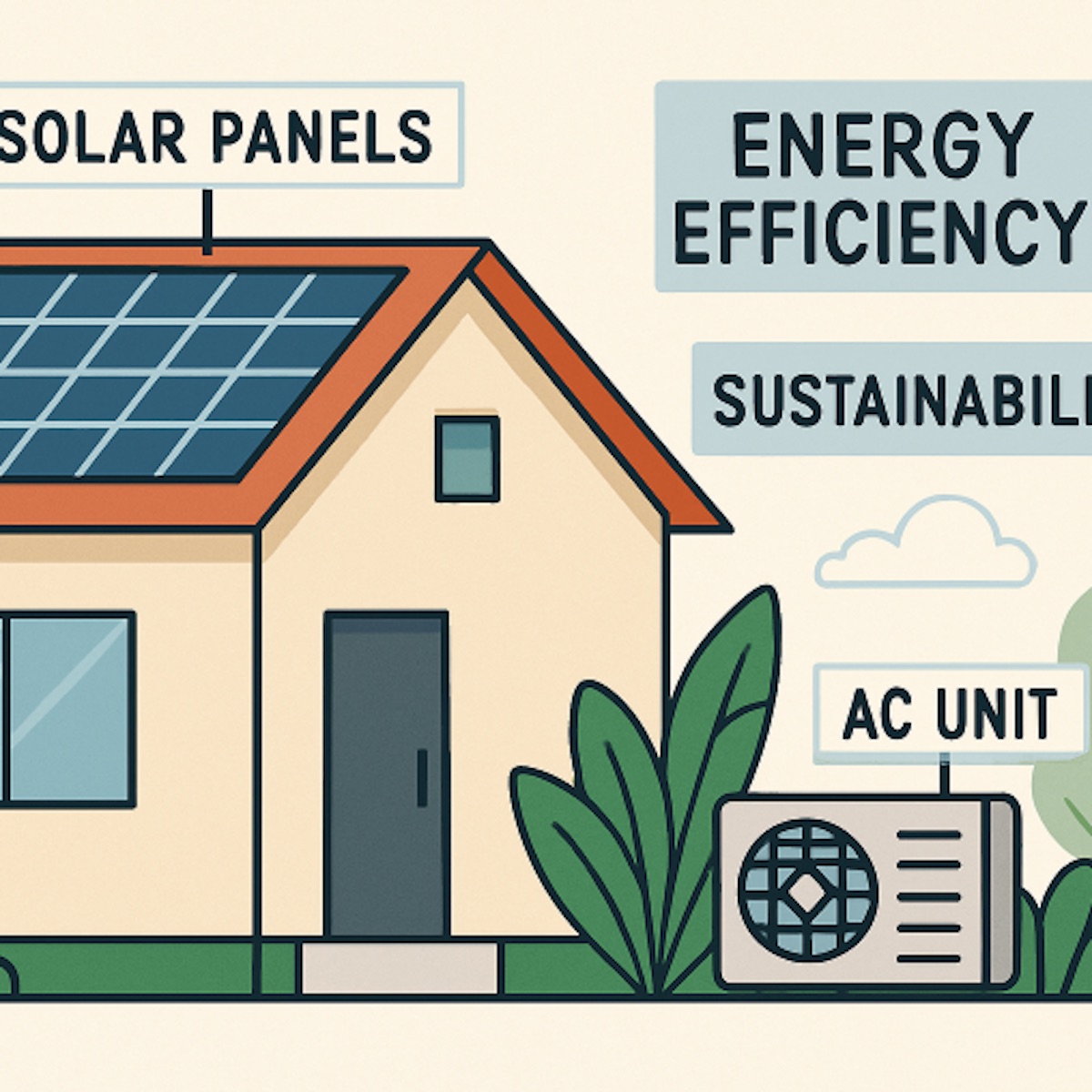
Solar-powered AC systems represent the next leap in sustainable home cooling. By harnessing solar panels to generate the necessary electricity, these systems cut grid usage and operational costs dramatically. Hybrid models can seamlessly switch between solar and electric power to provide reliable cooling even when sunshine is limited, appealing to eco-conscious and budget-minded homeowners alike.
In sun-rich states, the financial incentives and environmental benefits of solar-powered air conditioning are particularly strong. For more information about incentives and installation, refer to this comprehensive resource from Energy.gov on solar technology and rebates.
Choosing the Right System for Your Home
Identifying the best air conditioning solution starts with an assessment of your space, climate conditions, and existing infrastructure. Central air is optimal for large homes with ducts, while mini-split systems make sense for add-ons or small homes. Geothermal systems suit those seeking a green, permanent system, and solar-powered AC is perfect where sunshine is plentiful. A professional consultation ensures correct sizing, installation, and operation—leading to maximum comfort and long-term savings.
Modern energy-efficient air conditioning options present homeowners with a suite of choices to achieve comfort, lower bills, and reduce environmental impact—all without sacrificing performance. With careful planning and regular expert maintenance, your home's cooling system can deliver decades of reliable, sustainable operation.
FAQ'S
Energy-efficient AC units use advanced technology to cool your home while consuming less power. Look for a high SEER rating, inverter technology, and eco-friendly refrigerants to lower both your bills and your carbon footprint.
Yes! Mini-splits are perfect for targeted cooling, avoiding energy loss through ducts. They’re quiet, versatile, and great for homes where installing full ductwork isn’t practical, making them a smart and efficient choice.
Switching to an energy-efficient system can cut cooling costs by 20–40% depending on your home and usage. Over time, the savings often offset the higher upfront cost, especially in warm climates where AC runs frequently.
Absolutely. A smart thermostat learns your habits and adjusts cooling automatically, so your AC only runs when needed. It’s a simple upgrade that works hand-in-hand with energy-efficient units to maximise comfort and savings.



Leave a Reply