

Singapore can feel like a mosaic where every piece, the gardens, food, art, and people, creates meaning for a child seeing the world for the first time.
In a city where history lingers in old stone and new skyscrapers, where markets hum beside heritage streets, and where every cultural corner invites a question: What is this, and why does it matter?
You don’t have to labor through textbooks to introduce kids to culture; in Singapore, culture is lived and layered, visible in art, food, gardens, and heritage that can be touched, heard, and questioned.
Part of what makes Singapore so compelling for families is how accessible it makes its narratives, and one of its richest storytelling spaces is a place that adults often revere, and kids sometimes misunderstand: art museums.
Among them, one stands out not only for the scope of its collection but for how literally it brings story and place together in a kid-friendly way.
Jump to:
Where Art Becomes a Playground of Stories
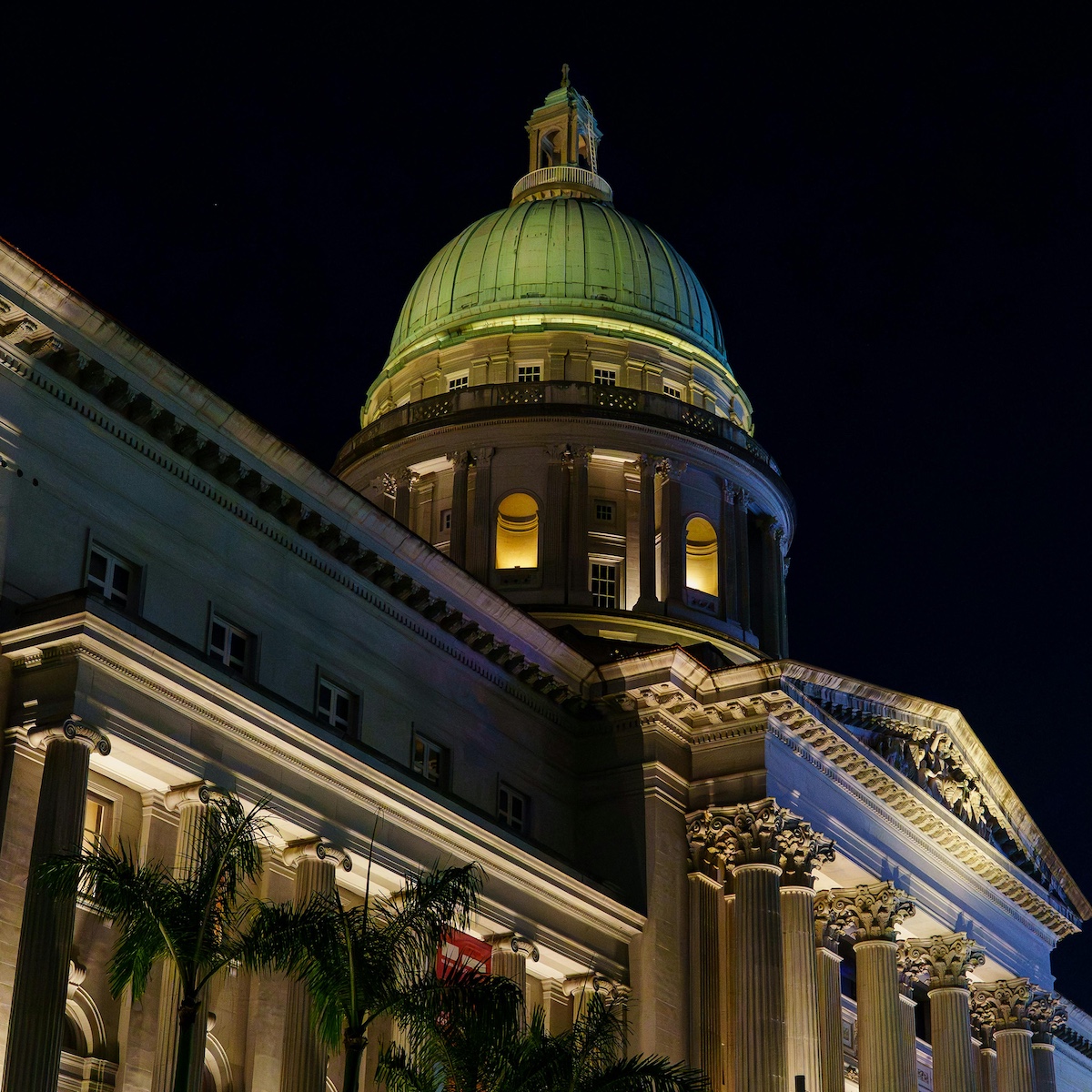
There are places where children walk in, see paintings, and think boring. Then there are places where the building itself, the grandeur, the light, the architecture, becomes a first chapter in a story about who a place is and how it came to be. Singapore’s foremost visual arts institution hits that threshold.
A Landmark of Stories and Space
National Gallery Singapore occupies two national monuments, former Supreme Court and City Hall buildings, with more than 9,000 artworks reflecting Singaporean and Southeast Asian creativity, culture, and heritage.
It is not a static shrine to the old. It is a vibrant national museum where art evokes questions about identity, perspective, and time.
Walking through the Gallery’s rooms, even young minds can sense that these objects are not distant relics. They are conversations in color and form, between histories, between people, between you and what you are seeing.
Family First: Creative Spaces Made for Kids
If there’s a dedicated space within the National Gallery Singapore that is worth building an entire “kids experience” around, the Keppel Art Centre for Education.
For families searching for a truly meaningful museum for kids Singapore experience, this is one of those rare places that understands how children actually engage with culture.
Designed with young visitors in mind, its exhibitions and creative zones invite exploration through hands-on activities, imaginative play, and workshop-style encounters with visual expression.
Activities here don’t require prior art knowledge to be meaningful; they ask children to make, respond, wonder, and connect. There are interactive exhibitions that shift regularly, giving repeat visitors something fresh to discover every few months.
It’s one of those spaces that transforms a museum visit from passive viewing into active participation, where children don’t just look at culture, they step inside it.
Free Entry for Little Explorers
If you’re planning this as a family outing, there’s a practical benefit that makes sense for locals and long-term visitors alike: children aged six and under enjoy free entry at the Gallery, making it easy to introduce culture early and often.
Culture Without Borders: Beyond the Gallery Walls
The National Gallery is just one of many ways kids absorb culture in Singapore. You do not have to limit cultural learning to formal institutions. In fact, very often the richest parts of travel culture emerge in unusual corners.
Hands-On Heritage at the Children’s Museum
Not far from the city’s central districts is another cultural venue made for curious hands: the Children’s Museum Singapore. Here, kids explore Singapore’s food heritage and everyday life through play-focused exhibitions rooted in real traditions, including how local cuisines became part of the city’s identity.
This kind of experiential storytelling, where children can touch, assemble, manipulate, and choose what they want to explore, cements culture in ways that a passive tour never could.
Natural and Historical Conversations
Culture in Singapore also lives in the spaces where nature, history, and daily life cross. At the Singapore Botanic Gardens, for example, families encounter tropical landscapes that reflect the city’s colonial history, horticultural ambition, and community spirit in one sprawling UNESCO World Heritage site.
Parks like Istana Park, are tucked into heritage districts and public transport nodes which themselves host art and architecture that tell the city’s story in unexpected ways, where a garden arch or reflective pool becomes a prompt for a child to ask why and how.
A City of Culture for All Ages
Singapore’s cultural richness doesn’t require deep knowledge to appreciate. It needs curiosity and a willingness to let children take their own routes through meaning and place.
The rhythm of the city, its mix of colonial architecture and modern skyscrapers, its bustling hawker centers and serene museums, gives rising explorers a palette of experiences they can feel, not just read about.
Everyday Culture Is Cultural Literacy
Travel here is not merely sightseeing; it’s an invitation into stories: histories of immigration, trade, art movements, community rituals, and multiracial traditions. This becomes part of how a child learns the world feels textured rather than flat.
Think of a lively hawker center as a lesson in food heritage; a mural on a transit line as a moment of public art; a colonial-era civic district as history in stone.
Each place is a chance to ask, What does this tell us about the people who made it?
Singapore’s Museums as Cultural Anchors
The National Gallery Singapore stands out not just for its collection, but also for blending art with place, inviting dialogue rather than dictation.
In a day at the Gallery, children will find workshops, interactive exhibits, and spaces like the Keppel Centre for Art Education that encourage not just observation but participation.
This is culture encountered with a body and a mind, not just eyes.
Make It a Journey, Not a Checklist
A cultural adventure for kids in Singapore doesn’t stop at a single destination.
From art to food, from gardens to story-rich neighborhoods, the city encourages you to wander, to reflect, and to ask questions out loud.
- Parents Are Prioritising Breathable, Sustainable Fabrics For Children's Seasonal Sleepwear
- Our Homemade Christmas Printables, Made With AI: What Worked, What Didn't, and What I'm Saving for Next Year
- At-Home vs. In-Lounge IV Therapy in the Hudson Valley: Which Makes More Sense?
- Can Passengers Pursue Compensation After a Car Accident?




The next time you consider a family travel plan, think about how culture can be felt rather than taught, how a museum can become a playground of inquiry, how a garden can become a classroom, and how a city, when seen from a child’s vantage point, reveals itself as a constellation of stories waiting to be discovered.
That is the heart of cultural travel in Singapore: not checking boxes, but opening doors to curiosity.





Leave a Reply