

There are many local building rules to follow for an HVAC replacement. The rules can change from building to building. It can look confusing. That’s why homeowners should understand what they are dealing with before choosing an upgrade.
In this guide, we’ll walk through the different rules co-ops and condos have, so you can pick a model that meets code.
If you’re in New York and want advice for your specific building, Fusion Repair LLC can do a customized assessment.
Jump to:
The Building, Not the Owner, Controls the Exterior and the Risers
Owning a property in a building usually means you own the interior space only. You typically have no inherent rights over the exterior walls and risers, even if they are right outside of your flat. This can make an HVAC replacement challenging. You need permission for various things.
- Exterior walls
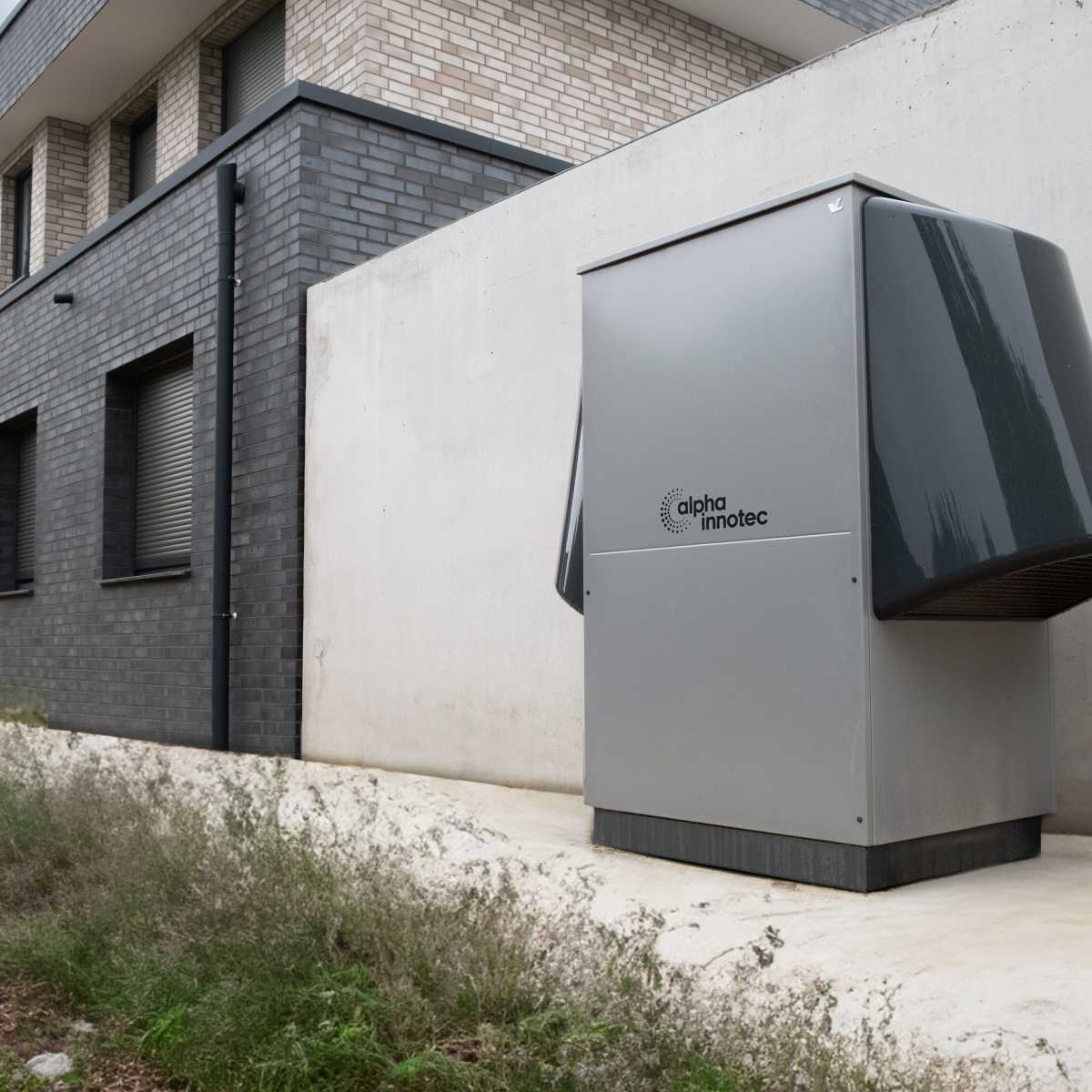
Many HVAC systems require mounting a physical unit on the exterior wall. Buildings often pose restrictions on this due to safety and aesthetic reasons. The unit must be safe for the structure. In some cases, physical units are not permitted on the outside of historic buildings to protect the existing aesthetics. - Roofs
Roof areas are considered public space. Individual apartment owners generally do not have rights to install roof units. If your HVAC system needs roof units, you have to submit an application first. - Risers
Altering risers with an installation can affect neighbors. The same electrical risers may serve multiple households. A replacement has to be carefully calculated so it does not affect others.
The property owners do not have control over the exteriors. To make the upgrade code-compliant, you should work with a licensed contractor. They can verify that the installation meets local standards. This saves homeowners the trouble of navigating all the regulations. They can also handle the permit application process. They ensure documents are complete and accurate, minimizing rejection rates.
Choose Equipment That Fits the Rules You Already Have
Picking an HVAC upgrade that fits the rules is crucial. Depending on the equipment, there are different rules to follow.
- Electrical limits
Since the electrical supply is shared among residents in a building, you have to understand the electrical limits before the replacement. Unstable voltage may impact other residents’ electrical supply. Wrong connections may pose a safety hazard for your equipment. - Ductwork
Updating old ductwork needs official approval. You have to investigate the building’s existing infrastructure and line runs. Modifications have to be reviewed before execution. For homeowners, ductless systems can be a sensible solution. It removes the need for ductwork. However, you will still need to meet refrigerant standards or get an installation permit as needed.
Building rules can vary greatly among properties. Some buildings may not allow individual investment or renovation in ductwork, even if you are willing to pay for it. Some other buildings may restrict the units you can install to avoid overcrowding the roofs or external walls.
Aside from meeting the general state regulations, you have to check the specific rules for your building.
Building Emissions Rules Are Changing What Boards Ask For
The US is tightening control over outdated refrigerant types like R-410A. Although the models are not officially banned, they will be gradually phased out. New installations should meet current refrigerant expectations. Emissions and pollution are big factors in choosing your next HVAC upgrade. These features can often help increase energy efficiency and reduce waste.
- Smart thermostat
It can regulate temperatures automatically. It sets an optimal output level based on the weather forecast and your preferences. You can also turn on and off the system remotely to conserve energy. - Detailed load calculations
When applying for a permit, clear load calculations allow the board to better examine whether system sizing is appropriate. Wrong sizing can lead to worse emissions due to inefficiency. - Energy-efficient units
Some systems, such as heat pumps, are usually considered more energy efficient. They often receive incentives and rebates in different government-funded programs. You can speak to your provider to find out more.





Get the Paperwork Right Before You Pick a Model
Comprehensive paperwork can facilitate the HVAC replacement process. Permits get approved without delay. Contractors will have an easier time following the specifications. Work with your provider to get the right materials together before you pick a model.
You will need to have your local council and state requirements on building codes and emissions, as well as any rules for your building set by the developer or relevant authorities.
If you are making modifications or doing work in public spaces, you may also need consent from other landlords. You will need an inspection certificate to prove that a professional assessment was done and safety was confirmed. Lastly, you will need planning permission applications with accurate details.
Working within building rules is the first step to creating a comfortable home. The number of regulations can look overwhelming. A local provider can make the process much easier by ensuring compliance and quality.





Leave a Reply