

Nevada is home to communities with varied cultural backgrounds, languages, and experiences, creating a state where people may approach important services in very different ways.
When an accident causes an injury, however, everyone faces the same basic need to understand what happened, what options may be available, and what steps could affect their future.
For someone who is not comfortable communicating in English, those questions can become more difficult when insurance companies, medical providers, and legal documents enter the picture.
A language barrier can make it harder to describe an injury accurately, understand unfamiliar terminology, or feel confident when reviewing an important decision.
Meaningful legal support, therefore, involves more than simply providing information; it requires communication that allows an injured person to participate fully in the process and make informed choices.
For people seeking legal advice for injured individuals in Nevada, accessible guidance can help remove unnecessary communication barriers and bring greater clarity to an unfamiliar claim.
Everyone deserves the opportunity to understand and protect their legal interests after an injury.
Jump to:
Clear Communication Protects the Claim
An injured person needs to accurately describe the accident, explain symptoms, identify missed work, and understand the requested documents.
Insurance companies handle claims through established procedures, while an injured person often encounters that process for the first time.
A misunderstood request can lead to incomplete information, a missed document deadline, or agreement to terms without understanding their consequences.
Medical records create another area where precise communication matters. An injured person must explain symptoms, treatment history, work restrictions, and changes in daily activities.
Consistent details help legal counsel compare those statements with medical records and claim documents.
Language Barriers Create Practical Risks
Language barriers can distort important details when a person relies on informal translations from relatives, coworkers, or online software. Accident claims can involve vehicle crashes, workplace injuries, falls, spinal injuries, or wrongful death claims.
Accurate communication matters throughout each claim. Legal terminology also creates problems. Words in liability forms, settlement paperwork, medical bills, and insurance correspondence often carry specific meanings.
A qualified legal interpreter or attorney who communicates clearly can reduce confusion during these exchanges.
Access Includes More Than Translation
Translation changes words from one language to another, but effective legal communication also requires context.
A client needs clear explanations of what a document means, why certain information matters, and what choices follow from a decision. That distinction matters during settlement discussions.
A settlement amount has meaning in relation to medical costs, wage losses, property damage, and other documented effects of an injury.
A client who understands the basis of the claim can assess a proposed agreement using the available information.
Practical access matters, too. The legal service states that it answers calls 24 hours a day. It can arrange meetings when an injured client cannot travel.
Those details address a common problem for people who need prompt legal help while dealing with physical limitations.
What Clients Should Prepare
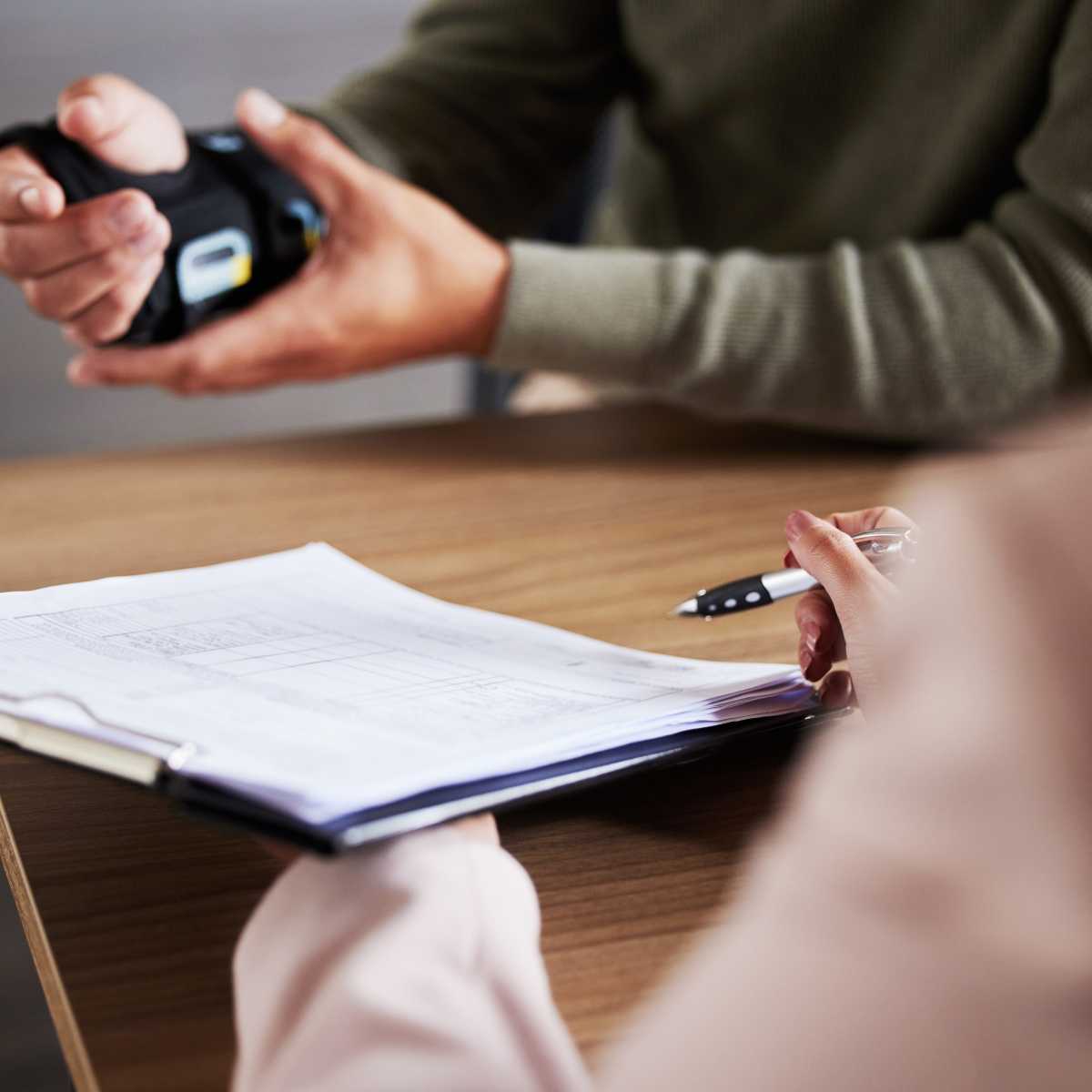
Before speaking with an injury lawyer, a client can gather accident reports, insurance correspondence, medical bills, treatment records, photographs, employment records, and witness contact information.
Keeping these materials together reduces the need for repeated explanations and helps identify missing documents.
A client should also record the facts in the language that feels most precise.
Dates, locations, symptoms, missed work, and conversations with insurers are easier to review when recorded soon after the event. Communication preferences should be stated early.
A client can request explanations in a preferred language. Unfamiliar legal terms should receive clear explanations in plain English or another language.
Why Equal Access Matters
Legal help has value only when clients understand the process well enough to participate.
Non-English speakers face the same need for accurate records, timely communication, and informed decisions after an injury.
Language should not prevent a person from describing what happened or evaluating legal documents. Nevada residents can face different claim types with different facts. A person injured in a motor vehicle crash can face insurance issues.
An injured worker can deal with a workers’ compensation claim. Clear communication helps each client focus on the facts relevant to the specific claim.
Conclusion
Non-English speakers deserve injury legal help that clearly communicates facts, documents, options, and consequences.
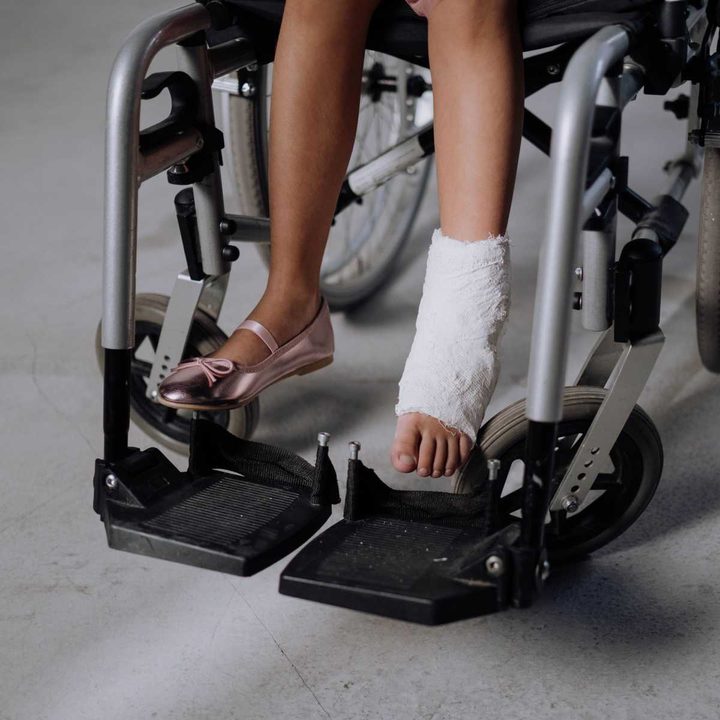



That access helps a client provide accurate information and participate in decisions about a claim.
After an accident, the next practical step is to collect available records and write down important facts. Then seek legal guidance in a language the injured person understands.
Clear communication should begin with the first conversation and continue through every major decision.





Leave a Reply