

Lifestyle photography is about capturing real moments, personal experiences, and everyday surroundings in a visually engaging way.
Whether it is a morning coffee, a weekend trip, a fitness routine, or a family gathering, these images help communicate a story beyond what words can express.
However, creating consistently appealing photographs can be challenging, especially when lighting, backgrounds, and camera conditions are not ideal.
Artificial intelligence is changing how people approach photo editing. AI filters make it easier to experiment with different visual styles, improve image presentation, and transform ordinary photographs into creative content without spending hours on manual adjustments.
For social media creators, bloggers, small business owners, and everyday photographers, understanding how these tools work can open up new creative possibilities while preserving the personality of each image.
Jump to:
- What Are AI Filters and How Do They Work?
- Why AI Filters Are Becoming Popular in Lifestyle Photography
- Choosing the Right AI Filter for Different Lifestyle Photos
- Using AI Filters to Create a Consistent Visual Identity
- How to Use AI Filters Effectively
- Common Mistakes to Avoid When Applying AI Filters
- The Role of AI Filters in the Future of Digital Photography
- Conclusion
What Are AI Filters and How Do They Work?
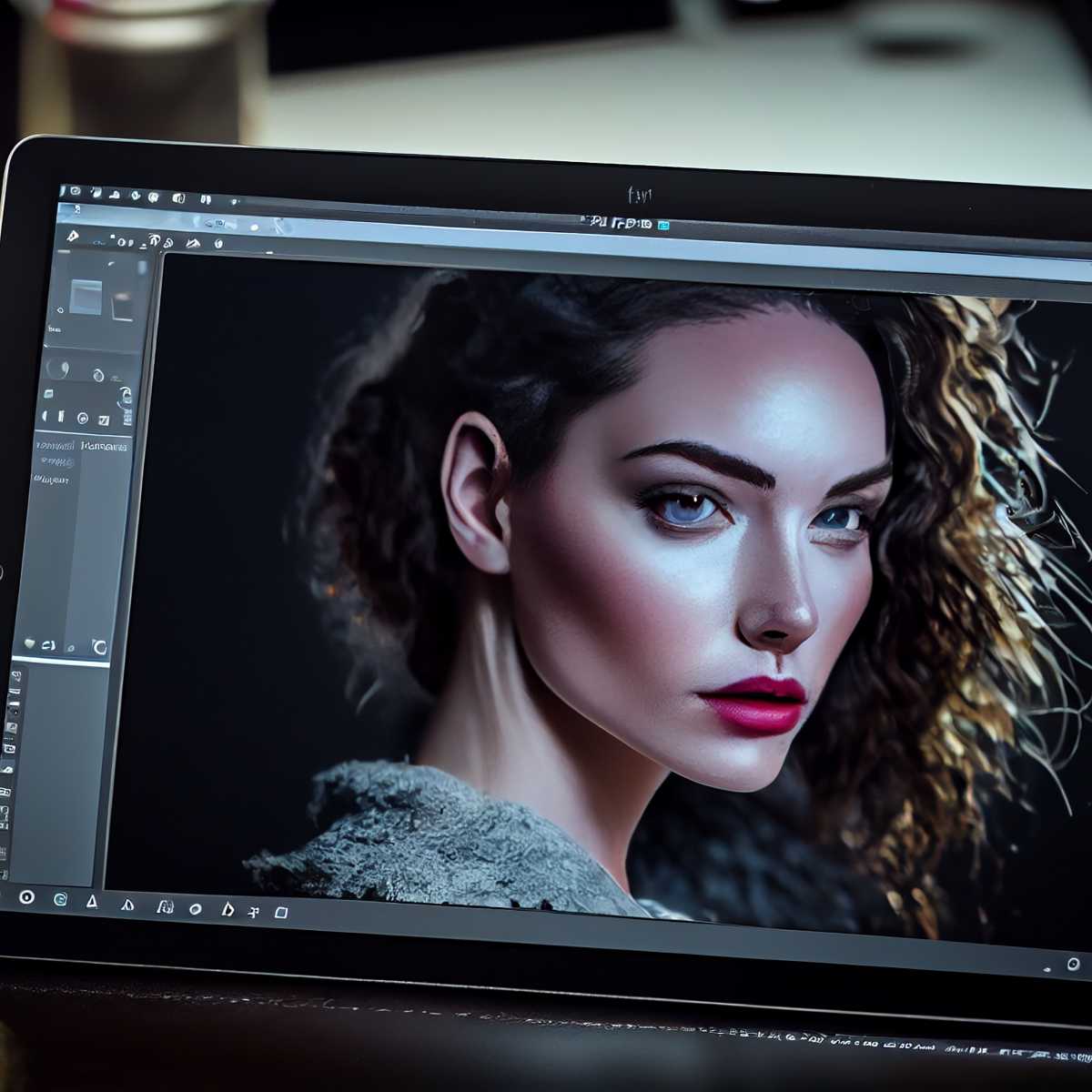
AI filters use artificial intelligence to analyze an image and apply visual changes based on its content. Unlike traditional filters that simply place a fixed color effect over an entire photograph, AI-powered editing can recognize different elements, including faces, backgrounds, objects, lighting conditions, and textures.
This allows the technology to make more targeted adjustments. For example, an AI filter may improve the lighting on a person's face while maintaining the natural appearance of the background.
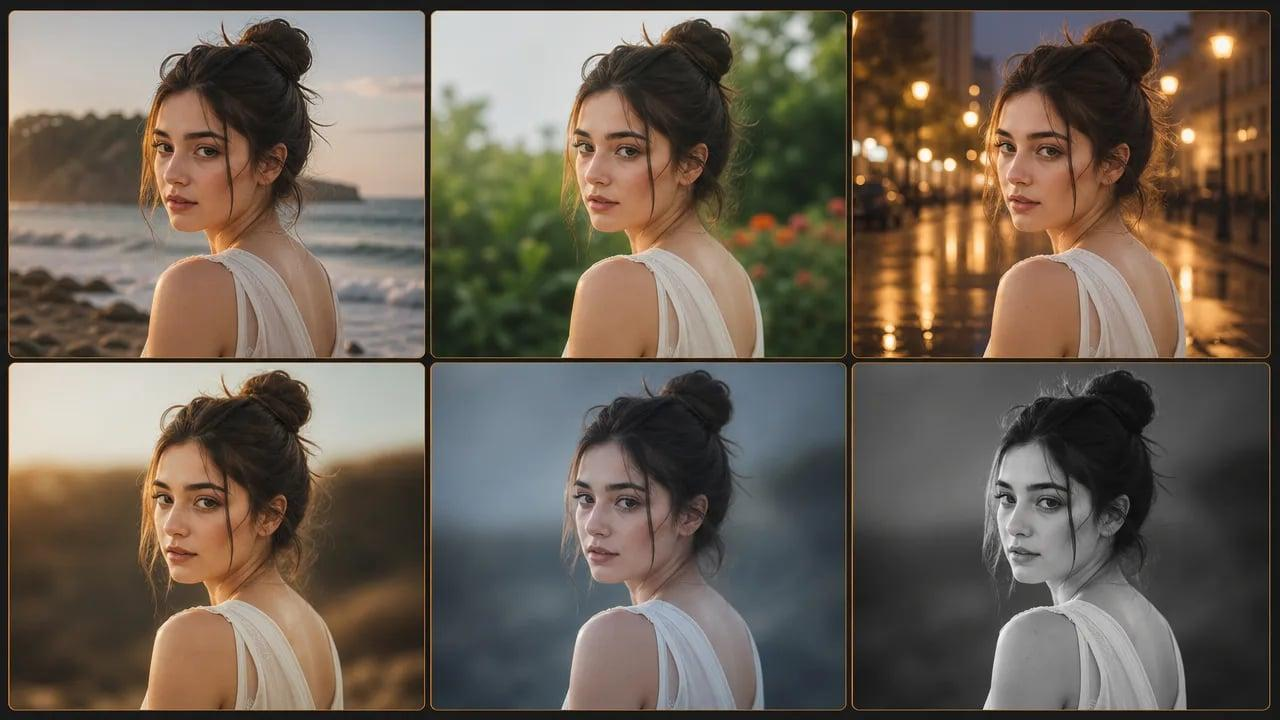
It can also transform a photograph into an illustration, create a vintage atmosphere, or introduce a cinematic color treatment.
Some advanced tools also accept written instructions. Users can describe the visual style they want instead of selecting from a limited collection of presets.
The technology is particularly useful for lifestyle photography because these images often contain several visual elements that need to work together.
The objective is not simply to make every photograph look different. It is to create a consistent and appealing result without losing the original subject or the story behind the image.
Why AI Filters Are Becoming Popular in Lifestyle Photography
The growing popularity of visual platforms has increased the demand for attractive, consistent photography. Content creators regularly publish pictures of travel experiences, fashion choices, home interiors, food, fitness activities, and everyday routines.
Producing this content takes time. Traditional editing may involve adjusting exposure, correcting colors, balancing contrast, and refining individual details. AI filters simplify many of these tasks by providing ready-made styles and intelligent editing options.
One major advantage is accessibility. People without professional photography experience can experiment with different visual treatments and compare results before deciding which version works best.
AI filters also support creative exploration. A simple photograph taken during a walk can become a warm vintage image, a soft cinematic portrait, or an artistic illustration. These changes help creators develop different visual identities for different types of content.
Another benefit is consistency. Applying similar color treatments and lighting styles across a collection of photographs can create a recognizable aesthetic.
However, popularity should not replace creative judgment. The most effective edits are those that support the subject and make the photograph more engaging rather than distracting from its original meaning.
Choosing the Right AI Filter for Different Lifestyle Photos
Not every filter works equally well for every type of photograph. The right choice depends on the subject, lighting, environment, and atmosphere a creator wants to communicate.
Portrait photography: Portraits often benefit from natural lighting adjustments, balanced skin tones, and subtle color enhancement. A soft filter can create a polished appearance without making facial features look artificial.
Travel photography: Travel pictures frequently contain landscapes, architecture, and changing outdoor lighting. Warm cinematic effects can create an inviting atmosphere, while nature-inspired filters can bring out greens, blues, and other environmental colors.
Food photography: Food images depend heavily on color and texture. Carefully selected filters can make meals appear more vibrant while preserving realistic details. Excessive saturation, however, can make food look unnatural.
Fashion and outfit photography: Fashion content often benefits from consistent tones and controlled contrast. Minimalist or editorial-style filters can help clothing details stand out.
Home and interior photography: Neutral filters and balanced lighting can make interior photographs feel clean and welcoming. Maintaining accurate colors is particularly important when showing furniture, wall finishes, and decorative elements.
The key is to choose an effect that complements the photograph rather than selecting a popular style simply because it is trending.
Using AI Filters to Create a Consistent Visual Identity
A recognizable visual identity helps creators build a stronger connection with their audiences. When photographs share similar colors, lighting, and overall presentation, a social media profile or digital portfolio can feel more organized and professional.
AI filters can make this process easier by helping creators maintain a similar editing direction across multiple images.
For example, a travel blogger might prefer warm highlights and slightly muted colors. A fitness creator may choose brighter images with clear contrast, while a lifestyle photographer might prefer soft tones and natural lighting.
Tools such as the best ai filter can be useful when exploring different visual treatments for portraits, everyday scenes, and creative projects. The important consideration is how well the selected effect supports the intended mood and subject.
Creators should also consider filter intensity. Applying an effect at maximum strength can produce inconsistent results, particularly when photographs were captured under different lighting conditions.
A more reliable approach is to select a general style and adjust its strength for each image. This creates visual consistency without making every photograph appear identical.
How to Use AI Filters Effectively
Getting good results from AI filters requires more than choosing an effect and exporting the image. A thoughtful editing process helps preserve important details and avoid unnecessary visual changes.
Start with a suitable photograph. Clear images with reasonable lighting generally provide a better starting point. Although AI tools can improve some imperfections, they cannot always recover missing details or correct every problem in a poor-quality photograph.
Choose an appropriate style. Consider the subject and intended audience before applying a filter. A dramatic cinematic effect may work well for a travel photograph but feel distracting on a simple product or food image.
Compare different results. Try several styles and examine how each one changes the photograph. Pay attention to facial details, background colors, highlights, shadows, and textures.
Adjust the intensity. If an effect looks too strong, reduce its influence where the editing tool allows it. Subtle adjustments often produce more realistic results.
Review the final image. Zoom in to check important details before downloading or publishing. Look for unusual textures, distorted objects, inconsistent lighting, or unnatural facial features.
This process helps creators use AI as an editing assistant rather than allowing automated effects to determine the entire appearance of their content.
Common Mistakes to Avoid When Applying AI Filters
AI filters make editing more accessible, but using them without considering image quality can lead to disappointing results.
One common mistake is applying too many effects to the same photograph. Combining several strong filters can create excessive contrast, unusual colors, and inconsistent textures. A single well-chosen treatment is often more effective.
Another problem is ignoring the original lighting. An effect designed for bright outdoor photography may not work well on a dimly lit indoor image. Understanding the photograph's existing conditions helps prevent unwanted changes.
Over-editing portraits is another concern. Some filters may alter facial details, skin texture, or other recognizable features. For personal photographs, preserving the subject's natural appearance should remain a priority.
Creators should also avoid following every visual trend. Popular styles can provide inspiration, but a consistent personal aesthetic is generally more valuable over time.
Finally, AI-generated changes should be reviewed before publication. Some tools may introduce visual details that were not present in the original photograph. Checking the result carefully helps maintain authenticity and avoid misleading presentations.
The Role of AI Filters in the Future of Digital Photography
AI-powered editing is becoming an increasingly important part of digital content creation. As these technologies develop, users can expect more flexible editing experiences, improved subject recognition, and greater control over how individual elements are transformed.
Natural-language editing is one promising direction. Instead of manually adjusting several settings, creators can describe a desired atmosphere, such as soft morning light, a warm summer mood, or a cinematic evening appearance.
More advanced tools may also make it easier to maintain consistent visual styles across large collections of photographs. This could be particularly useful for content creators, online publications, and small businesses that need to produce visual material regularly.
At the same time, authenticity will remain important. Lifestyle photography is valuable because it reflects personal experiences and recognizable moments. Technology should enhance the presentation of those experiences rather than replace their meaning.
Creators who understand both the creative and technical aspects of AI editing will be better positioned to use these tools effectively.
Conclusion
AI filters have introduced a more accessible way to experiment with lifestyle photography. From improving portraits and enhancing travel images to creating consistent social media aesthetics, these tools offer practical creative opportunities for beginners and experienced content creators alike.

The best results come from choosing filters that match the subject, adjusting their intensity carefully, and reviewing every image before publication.
Understanding the limitations of automated editing is equally important, particularly when preserving natural details and realistic colors matters.
As AI technology continues to evolve, photo editing will likely become more flexible and intuitive. However, creativity, personal judgment, and a clear visual direction will remain essential.
By combining these qualities with thoughtful use of AI filters, photographers can develop engaging images that feel polished while retaining the personality of the original moment.





Leave a Reply