

Starting fresh is less about becoming a completely different person and more about giving your brain a clear signal that something has changed. Humans respond strongly to cues, patterns, and environments.
When a routine feels overwhelming or unproductive, even a small adjustment can build momentum.
A new routine often begins with one visible choice. For some people, that might mean preparing breakfast the night before, taking a short walk after waking, or adding a super greens supplement to a morning smoothie.
The specific action matters less than the psychological message behind it: “I am choosing to begin again.” This sense of agency can help reduce stress and build confidence.
Jump to:
Why Small Changes Feel Powerful
The brain likes efficiency. Once a habit is formed, it runs with very little conscious effort. This is why daily routines can be both helpful and frustrating.
A familiar routine saves energy, but it can also keep you stuck in patterns that no longer serve you.
Small changes work because they interrupt autopilot. Moving your phone away from your bed, placing workout clothes near the door, or writing tomorrow’s top priority on a sticky note can shift your attention at just the right moment. These tiny changes create friction against old habits and make better choices easier to notice.
The Fresh Start Effect
Psychologists often refer to the “fresh start effect,” which describes our tendency to feel more motivated after meaningful markers of time.
Mondays, birthdays, new months, and the start of a season can all make people feel like they have a clean slate.
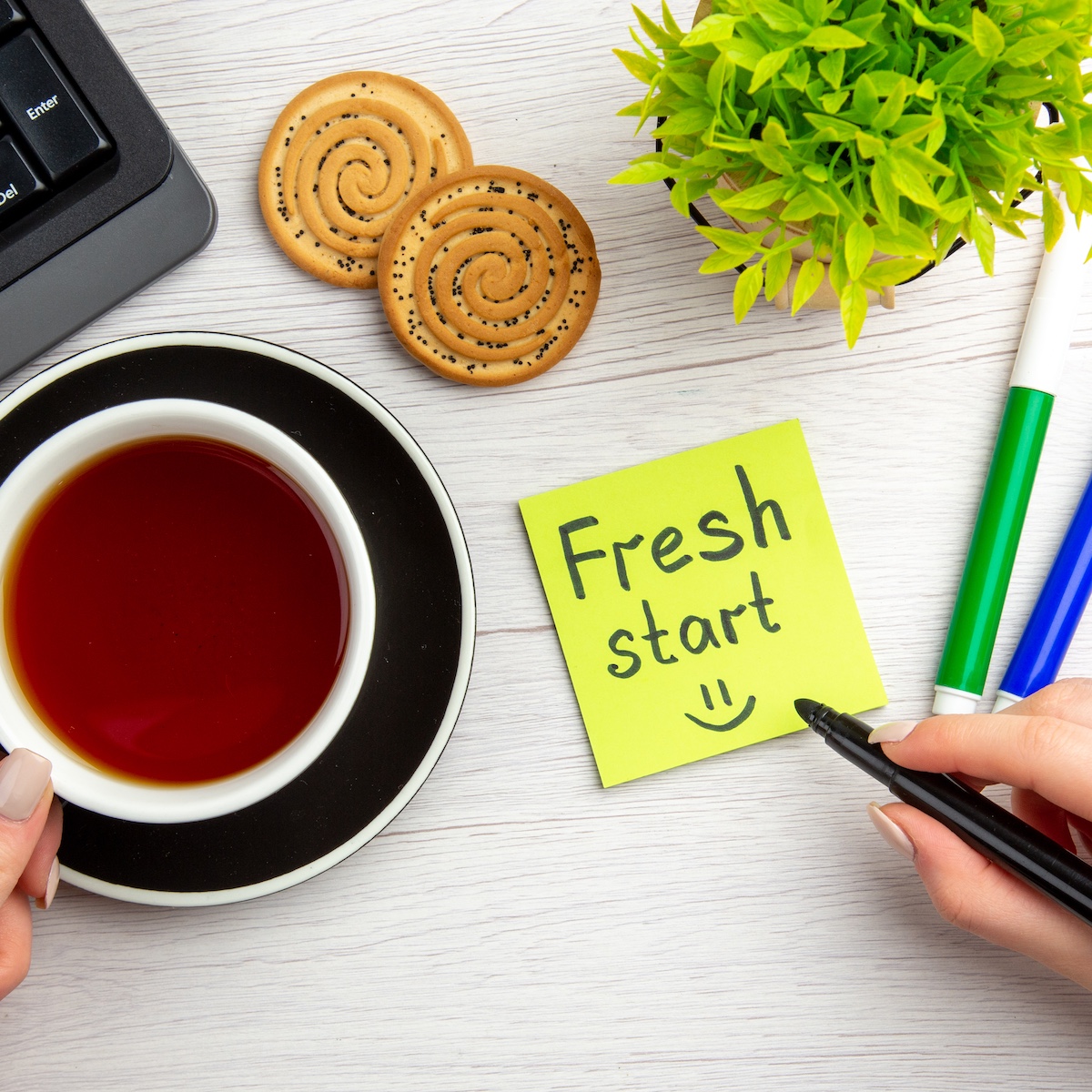
However, you do not need to wait for a major date to begin. You can create your own fresh start by changing your environment or setting a simple intention.
Cleaning your desk, rearranging your calendar, or choosing a new evening ritual can make today feel like a turning point.
Start With Your Environment
Your surroundings influence your behavior more than you may realize. If your kitchen counter is cluttered, your morning may feel rushed before it even begins.
If your workspace is noisy and disorganised, focusing can become harder than necessary.
Instead of relying only on willpower, design your environment to support the person you want to become. Keep a water bottle in sight. Put a book on your nightstand instead of your phone.
Prepare your coffee station the night before. These small changes reduce decision fatigue and help your desired routine feel natural.
Use the Power of Identity
Lasting change becomes easier when it connects to identity. Rather than saying, “I need to exercise more,” try thinking, “I am someone who takes care of my body.”
Instead of “I should be more organized,” say, “I am becoming someone who creates calm through preparation.”
This shift may seem subtle, but it changes the emotional tone of your actions. You are no longer punishing yourself for past behavior.
You are practicing a new identity through repeated, realistic choices.
Build Momentum With Tiny Wins
A fresh start can fail when expectations are too high. If you try to overhaul your sleep, diet, exercise, finances, and work habits all at once, your brain may interpret the effort as a threat. That can lead to avoidance, frustration, or giving up.
Tiny wins help prevent this. Make your bed. Stretch for two minutes. Plan one meal. Answer one important email.
Each completed action gives your brain evidence that progress is possible. Over time, these small successes compound into stronger self-trust.
Create Rituals, Not Just Tasks
A task is something you have to do. A ritual carries meaning. Turning daily actions into rituals can make routines feel more rewarding.
For example, your morning coffee can become a moment to review your priorities. Your commute can become time for a calming playlist or an educational podcast.
Your evening skincare routine can signal the end of the workday. Rituals help your brain transition from one mode to another, making your day feel more intentional.
Expect Imperfection
Starting fresh does not mean you will follow your new routine perfectly. Real life will interrupt you. You may oversleep, miss a workout, or fall back into an old pattern. The key is to avoid turning one off day into proof of failure.
A flexible mindset is essential. Instead of asking, “Why did I mess up?” ask, “What made this difficult, and what can I adjust?” This keeps you in problem-solving mode rather than self-criticism.
The Transformation Is in the Repetition
Small changes may not feel dramatic at first, but repetition gives them power. A five-minute habit practiced daily can reshape your mornings.
- Parents Are Prioritising Breathable, Sustainable Fabrics For Children's Seasonal Sleepwear
- Our Homemade Christmas Printables, Made With AI: What Worked, What Didn't, and What I'm Saving for Next Year
- At-Home vs. In-Lounge IV Therapy in the Hudson Valley: Which Makes More Sense?
- Can Passengers Pursue Compensation After a Car Accident?




A cleaner workspace can improve focus. A calmer evening routine can support better sleep.
Starting fresh is not a single event. It is a series of small choices that remind you that change is available at any time.
When you adjust your environment, claim a new identity, and celebrate tiny wins, your daily routine can become a foundation for lasting transformation.





Leave a Reply