

An unexpected injury can disrupt almost every part of daily life. Whether it happens in a car accident, at work, in a public place, or during a rideshare trip, an injury may result in medical bills, lost income, emotional stress, and a long recovery.
Knowing what steps to take after an accident can help you protect important evidence and make more informed decisions while you focus on getting better.
Understanding your legal options is also important, particularly when another person’s actions may have contributed to your injuries. Affinity Law can provide legal guidance in personal injury matters, while understanding injury law can help you recognize the types of issues that may arise after an accident, including questions involving liability, insurance coverage, medical expenses, and compensation.

Jump to:
Why the First Steps After an Injury Matter
The period immediately following an accident can be confusing. You may be focused on getting medical attention and communicating with family members, while insurance companies or other parties may begin asking questions.
Your first priority should always be your health and safety. If emergency treatment is necessary, seek medical attention as soon as possible. Even when an injury initially appears minor, some conditions may become more noticeable later.
Once you are safe, begin documenting what happened. Important details can become difficult to remember as time passes, so creating a record early can be helpful.
Seek Medical Attention
Medical treatment serves two important purposes. First, it allows healthcare professionals to identify and treat injuries. Second, medical records can document the nature of your condition and the treatment you received.
Follow your healthcare provider's recommendations and attend scheduled appointments. If symptoms change, inform your medical provider rather than attempting to manage a serious condition without professional care.
Document the Accident
When circumstances allow, take photographs or videos of the accident scene, visible injuries, property damage, road conditions, and other relevant details.
Keep copies of medical records, receipts, repair estimates, and correspondence related to the accident.
If witnesses were present, record their contact information when possible. Witness accounts can sometimes help clarify what occurred.
Understanding Liability After an Injury
One of the central questions in a personal injury claim is who may be legally responsible for the accident.
Liability depends on the circumstances and the laws that apply to the particular case.
For example, a driver may be responsible if careless driving contributed to a collision.
A property owner may potentially have responsibility when dangerous conditions on the premises cause an injury, depending on applicable premises-liability rules.
In some situations, more than one party may be involved. Determining responsibility can require reviewing photographs, accident reports, witness statements, medical evidence, insurance documents, and other information.
It is important not to assume that an accident automatically creates a valid legal claim.
The specific facts and applicable law determine whether a person or organization may be held responsible.
How an Injury Lawyer Can Help
An injury lawyer can provide assistance throughout different stages of a personal injury matter. The level of support depends on the circumstances, the seriousness of the injury, and whether the responsible party or insurer disputes the claim.
Evaluating Your Situation
A lawyer can review the basic facts surrounding the accident and explain what legal issues may be relevant. This can include questions about liability, insurance coverage, deadlines, and potential damages.
This initial review can also help identify missing evidence or documents that could become important later.
Handling Insurance Communications
Insurance companies play a significant role in many injury claims. After an accident, an insurer may request statements, medical information, photographs, or other documentation.
A lawyer can communicate with an insurance company on your behalf and help you understand what information is relevant to your claim.
This can be particularly useful when the insurer disputes liability or questions the severity of an injury.
You should always provide truthful information and avoid exaggerating your injuries or losses. Accurate documentation is important for maintaining credibility.
Calculating Potential Losses
An injury can create expenses that extend beyond an emergency-room bill. Depending on the circumstances, losses may include ongoing medical treatment, rehabilitation, prescription costs, lost wages, reduced earning capacity, property damage, and other accident-related expenses.
An attorney can help identify categories of losses that may be relevant under the law. Keeping receipts and expense records can make this process easier.
What If You Were Injured in a Rideshare Accident?
Rideshare accidents can involve additional legal questions because multiple parties may be connected to the incident. These can include the rideshare driver, another motorist, the rideshare company, and one or more insurance providers.
The circumstances of the driver's work at the time of the accident may affect which insurance coverage applies. For example, the driver's status, whether they were carrying a passenger, and what they were doing immediately before the collision may be relevant.
Because rideshare insurance situations can become complicated, it is useful to preserve trip information, screenshots, receipts, driver details, accident reports, and medical records.
Do not assume that the largest insurance policy automatically applies to every rideshare accident. Coverage depends on the facts and the applicable insurance terms and laws.
Common Mistakes to Avoid After an Accident
Delaying Medical Treatment
Waiting too long to see a healthcare professional can make it more difficult to document the connection between an accident and certain symptoms. If you are injured, seek appropriate medical care promptly.
Posting About the Accident Online
Social media posts, photographs, or comments may be viewed by other parties involved in a dispute.
Avoid posting detailed statements about the accident or your recovery while a claim is being considered.
Accepting a Settlement Without Understanding It
An insurance settlement may appear helpful when medical bills are accumulating. However, accepting a settlement can affect your ability to pursue additional compensation later, depending on the agreement and applicable law.
Before signing a release or accepting a settlement, consider getting legal advice so you understand what rights you may be giving up.
Failing to Keep Records
Create a dedicated folder for accident-related documents. Keep medical bills, prescriptions, insurance letters, correspondence, employment records, photographs, and other relevant materials organized.
A clear record can make it easier to explain how the accident affected your health and finances.
Protecting Your Recovery and Your Family
An injury does not always affect only the injured person. Serious injuries can place additional responsibilities on family members, especially when someone cannot work or needs assistance with everyday activities.
Families may need to adjust schedules, transportation arrangements, childcare, and household responsibilities during recovery. Understanding these practical consequences can help you plan for the weeks or months ahead.
If your injury is expected to affect your ability to work for an extended period, consider reviewing available employment benefits, disability coverage, and other sources of financial support.
The options available to you depend on your circumstances and location.
For additional family-focused lifestyle content, readers can also explore The Inspiration Edit's family and lifestyle resources, which cover a range of practical topics for families.
When Should You Contact an Injury Lawyer?
There is no universal rule that determines when every injured person should hire an attorney.
However, legal advice may be particularly useful when an injury is serious, liability is disputed, multiple parties are involved, or an insurance company refuses or delays payment.
Legal guidance may also be valuable when the injury has resulted in significant lost income or long-term medical needs.
If you decide to consult a lawyer, bring as much relevant documentation as possible.
Accident reports, medical records, photographs, insurance correspondence, employment information, and expense records can help the lawyer understand your situation.
Conclusion
An unexpected injury can create significant medical, financial, and emotional challenges.
Taking sensible steps after an accident such as seeking medical care, preserving evidence, documenting expenses, and keeping communication records can help protect your interests.
An injury lawyer may assist by evaluating your circumstances, explaining applicable legal issues, communicating with insurers, assessing potential losses, and helping you understand your options.

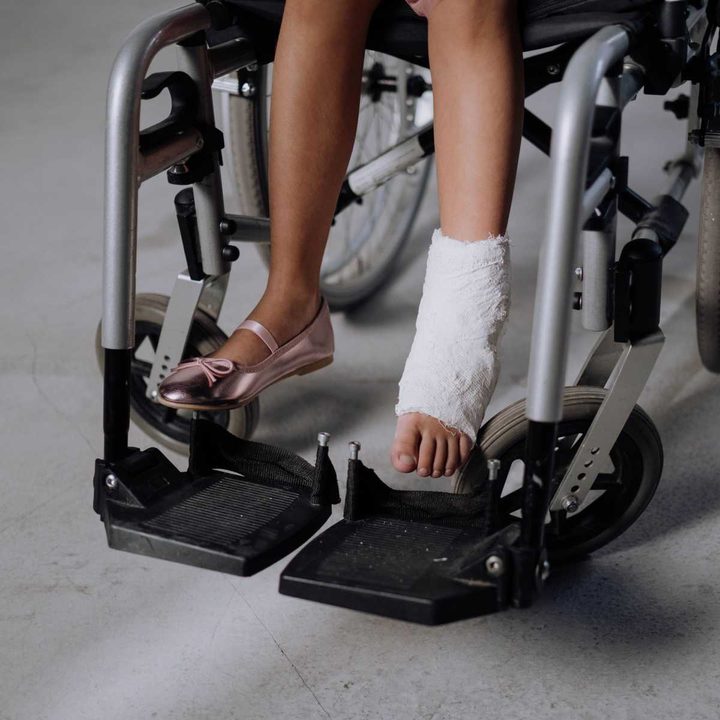


This can be especially important when an accident involves serious injuries, disputed responsibility, or complicated insurance coverage.
Every injury case is different, and legal deadlines and requirements vary by jurisdiction.
If you are injured, focus first on your health and safety, preserve important information, and consider qualified legal advice when the circumstances warrant it.
A well-organised approach can make it easier to navigate the legal and practical challenges that may follow an accident.





Leave a Reply