

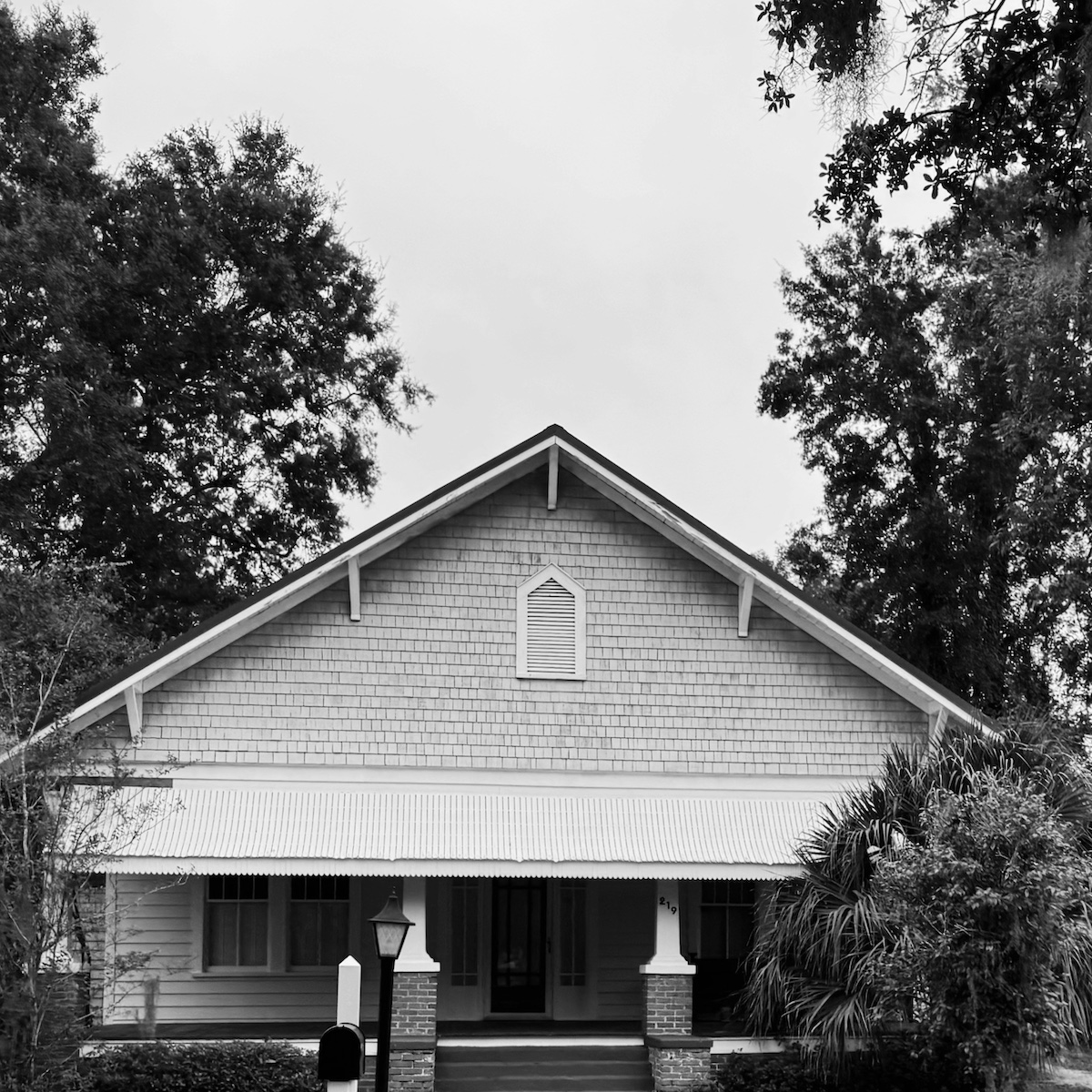
There's a particular kind of love that happens at an older home. The deep porch, the mature trees, the rooms already holding a century of someone else's life.
But all that character sits on a roof and exterior that may be quietly nearing the end. Look closely before you fall.
Jump to:
What to Eyeball on the Outside During a Viewing
Most buyers spend the viewing indoors, picturing furniture and paint colors. The outside gets a glance on the way in and another on the way out.
That's a missed chance. The exterior is where the expensive problems live, and most of them are visible if you simply slow down for ten minutes.
Start With the Roofline
Stand back across the street and look at the roof as a whole. A healthy one reads as straight and even.
Sagging ridges, dipped planes, or a wavy surface usually mean something underneath is tired or holding water. Your eye catches it before any tool would.
Then Walk the Perimeter
Now take a slow lap of the property, reading where the water goes and how the materials are aging. A few things are worth a closer look:
- Missing, curling, or cracked shingles
- Dark streaks or moss spreading across the roof
- Gutters that sag or have plants growing in them
- Downspouts that end right at the foundation
- Soft, swollen, or peeling trim and siding
Mature hedges and trees are part of the charm, though they require ongoing upkeep. None of this needs a ladder, and a slow walk tells you more than the listing photos ever will.
Reading the Age Clues in Roofing, Siding, and Trim
Every exterior material has a lifespan, and with an older home, you're often nearing the end of one, and knowing roughly where you stand changes how you read the whole property.
How Old Is That Roof, Really?
The roof is the big one. Asphalt shingles, by far the most common type, usually last 20 to 25 years.
A roof can look perfectly fine and still be one hard winter from failing. That's why the install date matters far more than the appearance.
Different materials change the maths entirely. Here's a rough guide to what you're standing in front of.
| Material | Typical lifespan | What it means for your offer |
| Asphalt shingle | 20 to 25 years | Most common, check the install date |
| Architectural shingle | 25 to 30 years | Mid-range, ask for the paperwork |
| Metal | 40 to 70 years | Plenty of life left, a genuine plus |
| Slate or tile | 75 to 100+ years | Long lived, but repairs run costly |
If you want a fuller picture, InterNACHI's life expectancy chart breaks down nearly every component in a home.
Manufacturers like Owens Corning also point out that a roof is worth planning to replace around the 20-year mark, even before problems show.
What the Siding and Trim Reveal
Siding and trim tell their own quieter story. Flaking paint, soft timber, and crumbling caulk lines all point to upkeep that slipped somewhere along the way.
Trim is the real giveaway. It's the first thing to rot and the last thing owners get round to, so tired trim often hints at deeper neglect.
A good wash can refresh siding that only looks tired, and the right pressure washer makes quick work of it.
Older homes also tend to run cold, so it's worth asking whether the walls have any exterior insulation.
Questions Worth Asking the Seller
The materials tell you one half of the story. The seller tells you the other, and how they answer matters as much as what they say.
Keep It Friendly, Not Forensic
Slip the questions into the conversation rather than treating it like an interview. A few are worth asking:
- How old is the roof, and who installed it?
- Have there been any repairs after big storms?
- Are there receipts, warranties, or a transferable guarantee?
- Has the siding or guttering ever been replaced?
- Have there been leaks or staining in the attic?
What Vague Answers Really Mean
A confident answer backed by paperwork is reassuring. A vague "I think that was done before we moved in" usually means nobody really knows.
When the history is fuzzy, treat it as a cost you can't yet see, and price that uncertainty straight into your offer.
When to Make a Professional Assessment Part of Your Offer
You can learn a surprising amount from a viewing, but you can't see under the shingles or behind the siding. That's exactly where a professional earns their fee.
What a Pro Sees That You Can’t
A roofer spots the things a buyer never will: worn flashing, hidden soft spots, clumsy past repairs, and how much life the roof actually has left.
That last number is the one that shapes your budget for the next decade, so it's worth getting before you commit, not after.
Folding It Into Your Offer
A standard home inspection is a good start, but it rarely delves into the roof itself.
So when you are looking for a roofer in Pittsburgh to take a proper look, build it into the offer as a contingency rather than a hope.
Make the deal subject to a satisfactory roof and exterior assessment, and you keep room to renegotiate or walk away.
Then, once the keys are yours, the fun starts, from fresh paint to a nursery feature wall.
- Parents Are Prioritising Breathable, Sustainable Fabrics For Children's Seasonal Sleepwear
- Our Homemade Christmas Printables, Made With AI: What Worked, What Didn't, and What I'm Saving for Next Year
- At-Home vs. In-Lounge IV Therapy in the Hudson Valley: Which Makes More Sense?
- Can Passengers Pursue Compensation After a Car Accident?




A Little Looking Goes a Long Way
The charm of an older home is real, and so is the roof and timber holding it up.
Read the signs from the ground, ask the questions that matter, and bring in a pro before you commit.
Look up before you fall in love, and the character survives the move-in.





Leave a Reply