

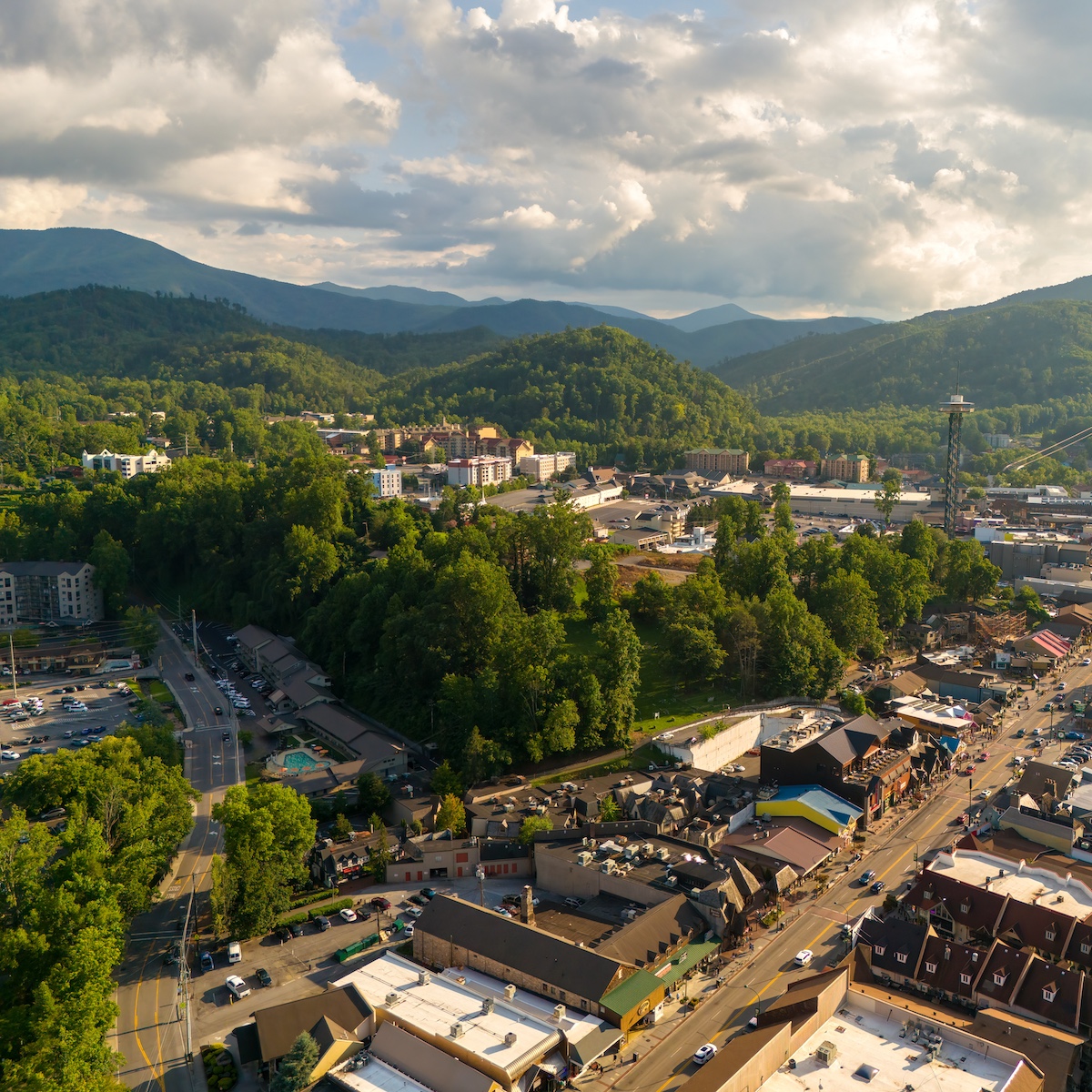
Gatlinburg makes an appealing base for a group trip because it combines mountain scenery, outdoor recreation, entertainment, dining, and cabin-style lodging in one vacation.
Set beside the Great Smoky Mountains in Tennessee, it works particularly well for extended families and groups of friends who want both activities and downtime.
The challenge is making sure the trip still feels relaxing once different budgets, sleep schedules, food preferences, and opinions enter the group chat. A little planning early can prevent a lot of unnecessary friction later.
Jump to:
- Start With the Group Before You Start With the View
- Choose Amenities People Will Actually Use
- Pick Dates With Your Crowd Tolerance in Mind
- Leave More Space in the Itinerary Than Feels Necessary
- Let the Cabin Handle Some of the Entertainment
- Keep Group Meals Manageable
- Plan for Different Ages and Energy Levels
- Pay Attention to the Drive to the Property
- Give Everyone a Little Privacy
- Treat the Cabin as Part of the Vacation
Start With the Group Before You Start With the View
A dramatic view can sell a cabin in seconds. It will not make up for three bathrooms shared by fifteen people.
Start with the number of guests and how those people actually need to sleep. Count couples, children, solo adults, older relatives, and anyone who may need easier access to a bedroom or bathroom.
Then look at the common areas. Can everyone comfortably sit together? Is the dining table large enough? Can several people use the kitchen without creating an accidental cooking competition?
Travelers comparing large cabins in Gatlinburg with indoor pools can use Large Cabin Rentals as one resource for finding properties designed for bigger groups.
Beyond the pool itself, it helps to compare floor plans, bedroom configurations, parking capacity, common areas, and dining space.
The amenity may grab attention first, but the layout is what determines whether the cabin actually works once everyone arrives.
Choose Amenities People Will Actually Use
Long amenity lists can make almost any property look impressive. The better question is which features will improve your specific trip.
An indoor pool can be useful for families because it gives children something to do regardless of the weather. A game room may keep teenagers occupied while adults relax elsewhere.
A hot tub can be valuable after an active day, while a large deck gives people somewhere to spread out without disappearing completely.
Consider the group's habits.
Early risers may appreciate outdoor seating away from bedrooms. Night owls need a gathering space where they will not wake everyone else. Families with young children may care more about safe indoor recreation than elaborate entertainment systems.
The best amenities reduce friction. Decorative extras that nobody touches are just expensive scenery.
Pick Dates With Your Crowd Tolerance in Mind
Timing can completely change the feel of a mountain getaway.
Peak vacation periods usually mean more demand, higher lodging prices, heavier traffic, and less flexibility if plans change. Quieter periods may offer more accommodation choices and a slower overall pace.
Weather matters too.
Spring can bring changing conditions and fresh scenery. Summer gives groups more daylight for outdoor activities but can also be busy. Fall attracts travelers interested in seasonal color, while winter can create a quieter, cozier atmosphere.
Before confirming dates, think about what matters most to the group. Are you trying to maximize outdoor time, keep costs under control, avoid crowds, or create a festive atmosphere?
There is no universally perfect season. The best one is the period that matches the experience your group actually wants.
Leave More Space in the Itinerary Than Feels Necessary
Group vacations move slowly. Someone cannot find their shoes. Someone else suddenly wants coffee. A child needs a bathroom break five minutes after everyone was asked whether they needed one. Accepting that reality makes planning much easier.
Instead of scheduling several major activities each day, choose one main outing and leave room around it. You can always add something later if everyone still has energy.
A balanced day might include an outdoor activity in the morning, a relaxed lunch, some free time in the afternoon, and an evening back at the cabin.
That free space does not mean the trip is poorly planned. It means you have accounted for the fact that twelve people rarely move with the efficiency of one.
Let the Cabin Handle Some of the Entertainment
A good group property should make staying in feel like part of the vacation.
That becomes especially useful when people want different things. One group may want to head out early, while others would rather sleep in. Some guests may enjoy a full day outdoors, while others are perfectly happy with a book and a quiet afternoon.
Built-in entertainment gives people choices without requiring another drive.
Pools, games, movie spaces, fireplaces, outdoor seating, and comfortable gathering areas can turn an unplanned evening into one of the better parts of the trip.
This is also useful when weather changes unexpectedly.
If everybody immediately feels trapped the moment outdoor plans are canceled, the property probably is not doing enough work.
Keep Group Meals Manageable
Feeding a crowd can turn into one of the most complicated parts of the trip if nobody plans ahead.
Use the kitchen, but keep expectations realistic.
Simple breakfasts work well because people wake at different times. Keep lunch flexible with sandwiches, leftovers, or easy grab-and-go food.
For dinner, choose meals that scale easily and do not require three people hovering over a stove for two hours.
Good group options include:
- Tacos
- Pasta
- Burgers
- Sheet-pan meals
- Pizza
- Chili
- Breakfast-for-dinner
Assign grocery responsibilities before arrival. Otherwise, everyone assumes somebody else bought coffee, and you discover the truth at 7 a.m.
Dining out can still be part of the trip, but reservations or off-peak meal times become more important with a large party.
Plan for Different Ages and Energy Levels
A successful group trip does not require everybody to do everything together.
Trying to keep toddlers, teenagers, parents, and older relatives on one identical schedule is usually where frustration starts.
Build the trip around shared moments rather than shared minutes.
Maybe everyone meets for breakfast and dinner while smaller groups spend the day differently. One group can choose a more active outing while another explores shops, relaxes, or takes a shorter walk.
Then everyone returns to the cabin later.
That structure gives people independence without losing the social part of the vacation.
It also reduces the pressure on whoever is planning the trip. You are organizing a getaway, not directing a field trip.
Pay Attention to the Drive to the Property
Cabin listings naturally emphasise views and interiors. The road leading there deserves attention too.
Mountain properties can involve narrow lanes, steep grades, sharp turns, or limited parking. Those details become considerably more important when several vehicles are arriving separately.
Before booking, find out:
- How many vehicles can park comfortably?
- Is the road suitable for ordinary passenger cars?
- Are there steep or difficult sections?
- How easy is nighttime arrival?
- How long does it realistically take to reach groceries or activities?
A secluded property can be wonderful when the group intends to stay there for long stretches. It becomes less convenient if everyone expects to make several trips out each day.
Think about driving as part of the accommodation choice rather than an issue to solve after arrival.
Give Everyone a Little Privacy
Group trips are supposed to bring people together. That does not mean everyone needs to be together constantly.
Privacy becomes surprisingly valuable after several days.
Separate bedrooms help, but small retreat spaces matter too. A deck, reading corner, second living area, or game room gives people somewhere to step away without leaving the property.
Bathrooms deserve special attention. More bathrooms can improve group harmony in ways no scenic view ever will.
Consider morning routines as well. If everyone needs to shower and leave around the same time, the bathroom-to-person ratio becomes much more important.
People enjoy one another more when they have somewhere to disappear for twenty minutes.
Treat the Cabin as Part of the Vacation
The best group getaway is not necessarily the one with the most activities. Often, the moments people remember happen between them: breakfast around a crowded table, a ridiculous game night, a long conversation on the deck, or everyone laughing because somebody lost badly at something they insisted they were good at.
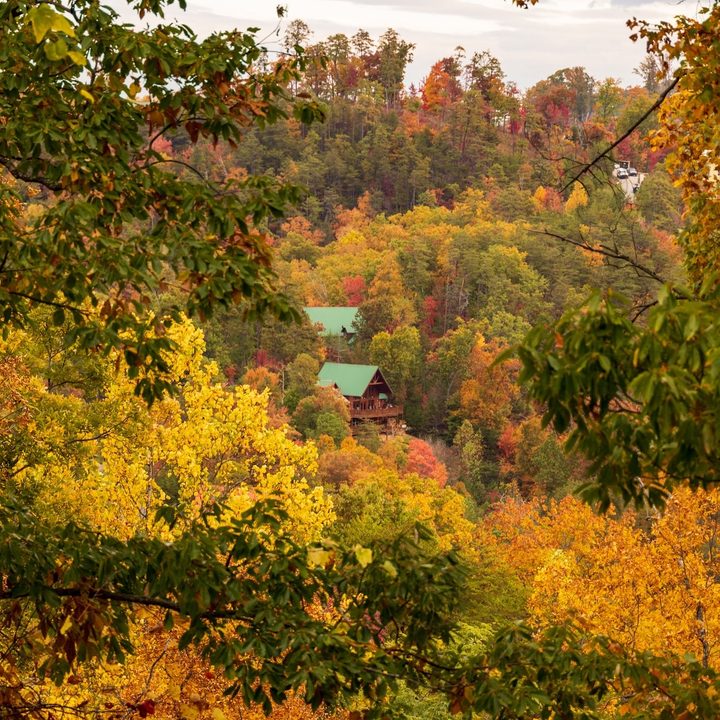
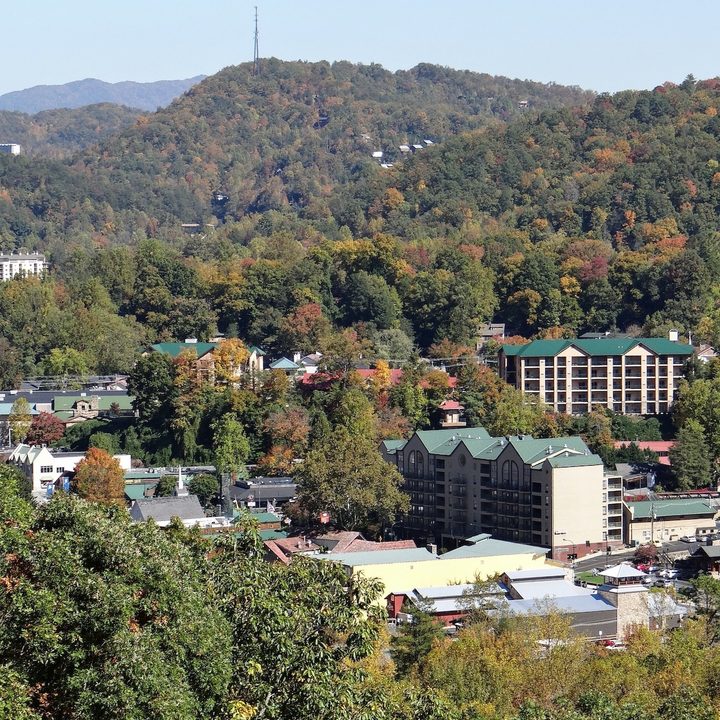
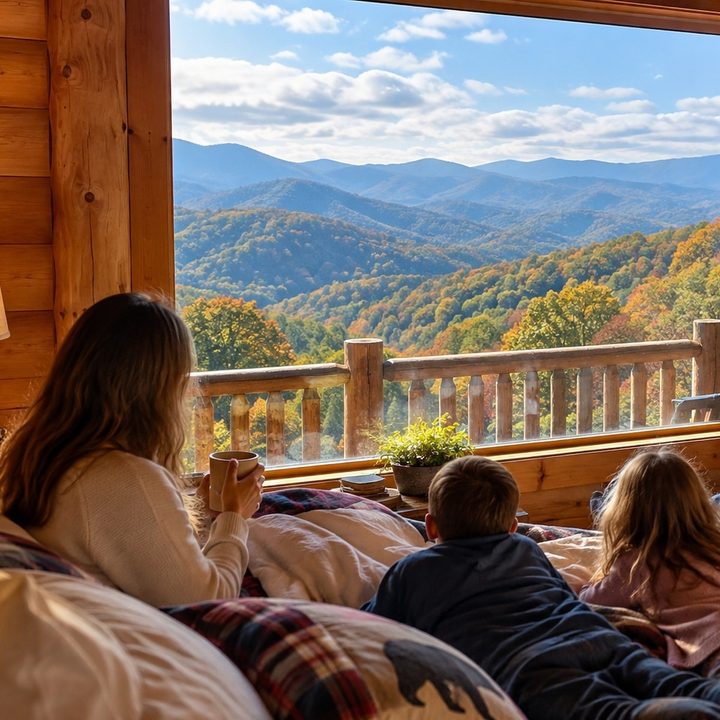

Choose a property that makes those moments easier. Enough sleeping space, comfortable gathering areas, useful amenities, manageable driving, and a layout that allows both connection and privacy will matter far more than an impressive feature nobody uses.
The National Park Service’s trip-planning guidance is useful for thinking through practical details before a group getaway, while the American Automobile Association offers road trip planning resources that can help with driving time, stops, and route logistics.
When the cabin works well, the trip stops feeling like a logistical exercise. It becomes a place where everyone can settle in, split up when they want, come back together naturally, and actually enjoy the time they made the effort to share.




Leave a Reply