

There is a point in every skincare routine when you start wondering whether another cream will really make a difference.
That is often when treatments like exosomes, platelet-rich plasma, microneedling, lasers, and injectables enter the conversation.
And what is the difference between exosome therapy vs other skin treatments?
The simple answer is that regenerative skincare tries to support the skin’s natural repair process, while traditional treatments usually target a visible concern more directly.
Both approaches can have a place. The better choice depends on what you want to change, and how quickly you want results.
Jump to:
- What Does “Regenerative Skincare” Actually Mean?
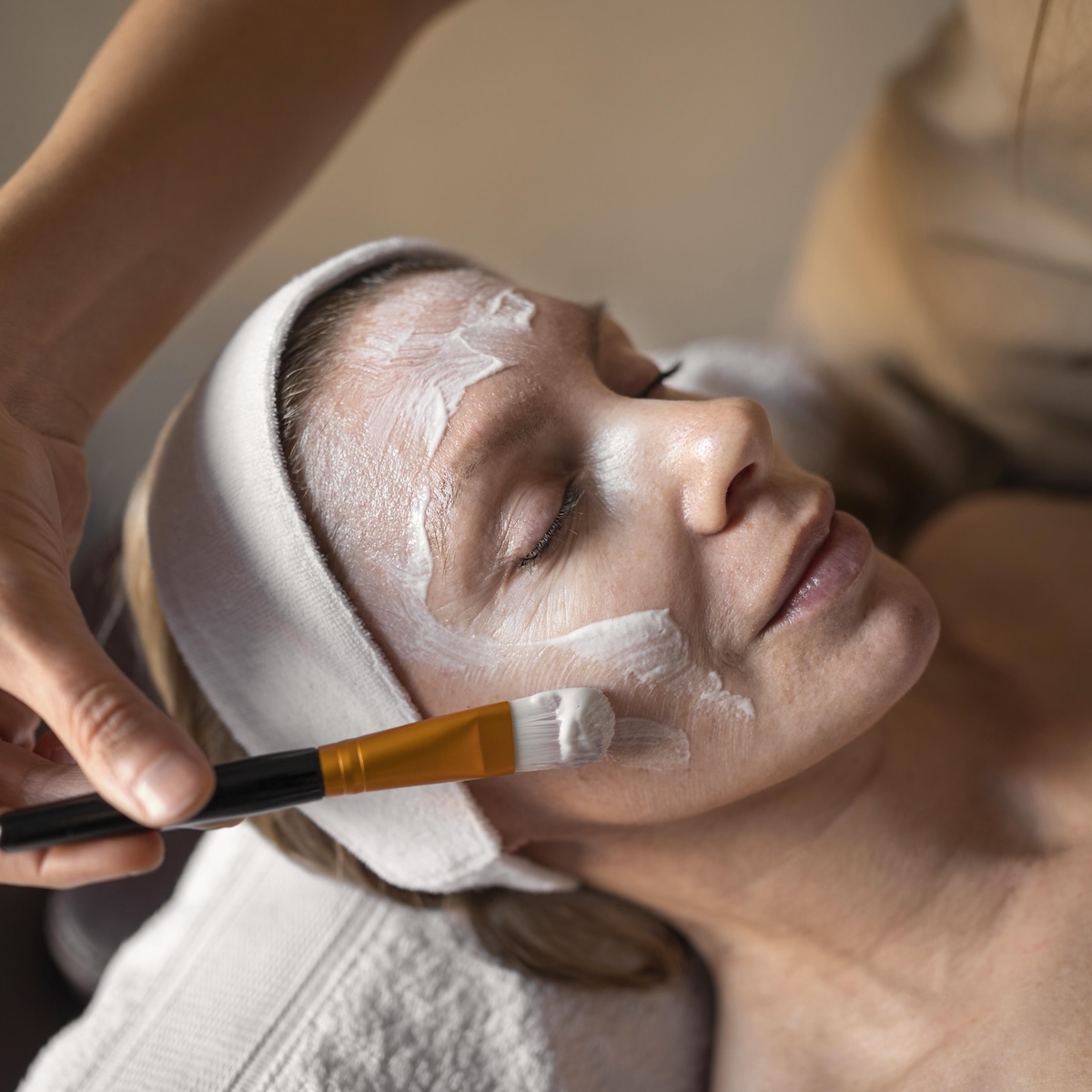
Regenerative skincare is not one treatment. It is a general term for methods that try to help the skin repair itself.
Exosome treatments fall under this group. Exosomes are tiny particles that help cells “talk” to each other.
In one systematic review, researchers looked at 19 studies involving 624 patients. The results were a 27.07% increase in skin elasticity, over 10% reduction in wrinkles, and more than 20% enhancement in hydration.
People like regenerative skincare because it works with your skin, not just covers issues. It focuses on helping your skin do what it already tries to do on its own.
The idea is simple. Support the skin’s repair process so it can stay healthy over time. When that happens, you may notice changes like:
- Better hydration
- Smoother texture
- More even-looking skin
- Support for collagen in the skin
There’s also a mindset behind it. Healthy skin is not only about fixing what you see in the mirror. It’s about helping your skin function better day by day.
Why just cover a problem when you can help your skin take care of itself?
How Traditional Treatments Work
Traditional skin treatments take a direct approach. They change what you see on the surface of the skin.
Why do they work so differently?
- Retinoids smooth fine lines and even out skin tone.
- Chemical peels remove the top layer of damaged skin.
- Lasers help with dark spots and texture.
There is also Botox and dermal filler. These are not regenerative treatments in the same sense. Botox reduces the movement of certain facial muscles, while fillers add volume to specific areas.
So, when someone asks which approach is “better,” the real question is: better for what?
A person worried about sun damage may benefit from a completely different treatment than someone trying to improve acne scars or restore lost facial volume.
Regenerative Skincare Vs Traditional Treatments
The easiest way to compare the two is to look at what they are trying to do.
Regenerative approaches generally aim to support the skin's own repair and communication processes. Traditional treatments tend to try to make a more direct change, working on what we can see.
A resurfacing treatment may produce a more visible change after the skin heals.
A regenerative approach may be described as more gradual, with improvements developing over time. But regenerative does not automatically mean gentler, safer, or better.
It’s a deeper approach that requires more consistency.
What Should You Look At Before Choosing?
It is easy to get caught up in before-and-after photos. They can look convincing. They also tell you very little about whether a treatment is right for your skin.
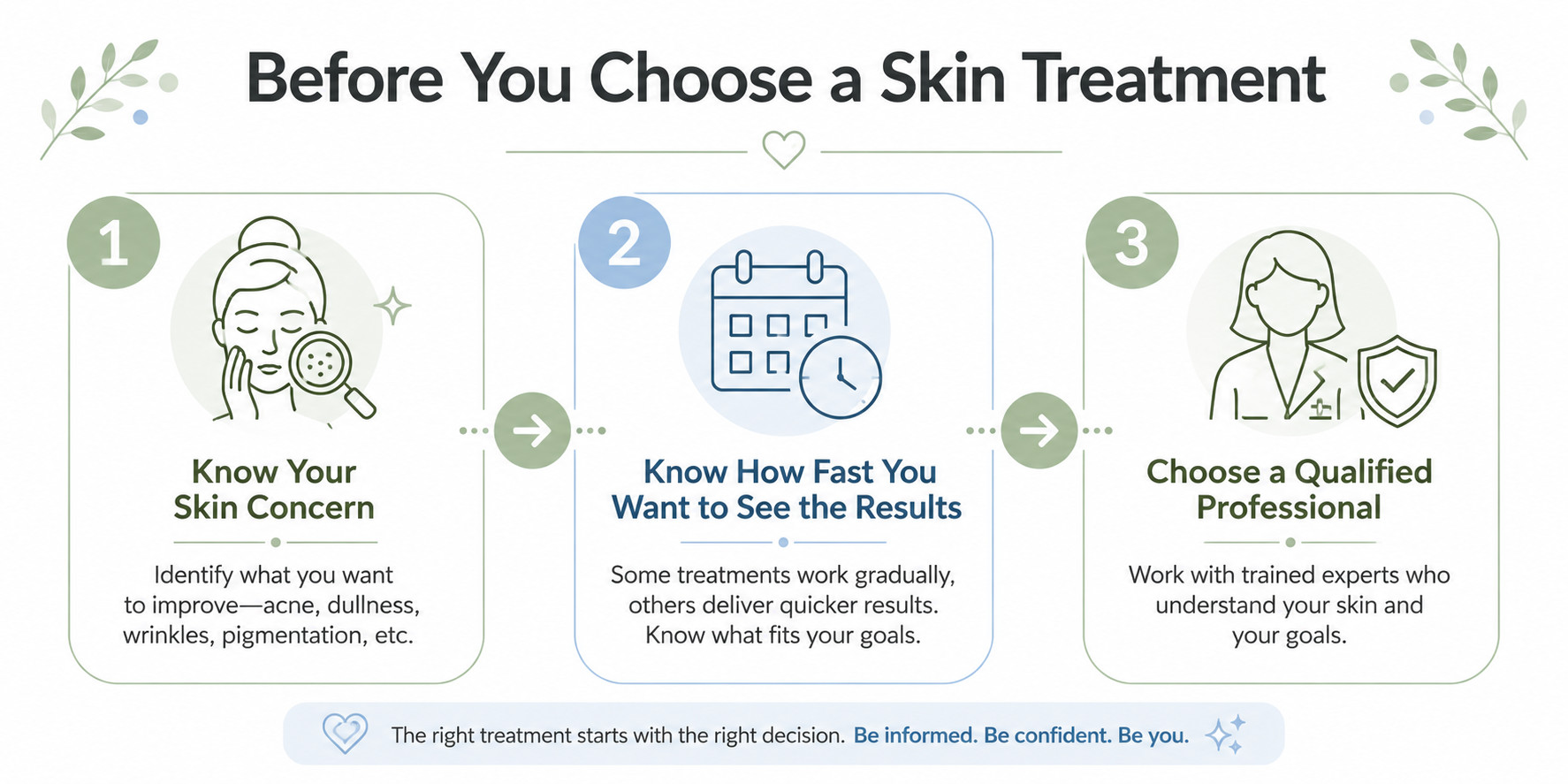
Start with the problem you actually want to solve.
Ask yourself:
- Are you trying to improve fine lines, acne scars, pigmentation, dryness, texture, or lost volume?
- Do you want gradual skin improvement or a change that you can notice right away?
- How much downtime are you comfortable with?
Where Traditional Treatments Still Make Sense
New treatments can be exciting, but familiar options have not suddenly stopped working.
For someone dealing with acne scars, dermatologists already have several established tools at their disposal, including lasers, microneedling, retinoids, chemical peels, and fillers, depending on the type of scar.
Traditional treatments can also be easier to evaluate because many have been studied for years and have clearer treatment protocols.
That does not make them perfect. Lasers can require downtime. Peels can irritate sensitive skin, and injectables carry their own risks. And the results can vary from person to person.
The point is to try to figure out what type of treatment works for your skin and helps you achieve the results you want.
A Balanced Approach Often Works Best
You do not have to choose between “old” and “new” skincare.
A dermatologist may recommend a simple daily routine alongside a procedure. In some cases, treatments may be combined because they target different parts of the problem. Even then, more treatment is not always better.
Your daily habits still matter. Sun protection, gentle cleansing, regular moisturizing, and avoiding products that constantly irritate your skin create the foundation for almost any treatment plan.
For more everyday skincare ideas, you can also read The Inspiration Edit’s guide to building a skin care routine, which focuses on keeping the basics simple and consistent.
The Bottom Line
Regenerative skincare has a lot of potential, especially as researchers continue studying exosomes and other approaches that support skin repair. It definitely is a new way of looking at skincare.
- Parents Are Prioritising Breathable, Sustainable Fabrics For Children's Seasonal Sleepwear
- Our Homemade Christmas Printables, Made With AI: What Worked, What Didn't, and What I'm Saving for Next Year
- At-Home vs. In-Lounge IV Therapy in the Hudson Valley: Which Makes More Sense?
- Can Passengers Pursue Compensation After a Car Accident?




Traditional treatments have a longer history. So far, they have worked amazingly, but there is always room for improvement.
For now, the smartest approach is simple: focus on your skin concern first, learn as much as you can about each treatment, and choose a qualified professional who will explain both the benefits and the risks.
Good skincare does not have to be the newest thing on the shelf. It just needs to make sense for you.





Leave a Reply