

Sleep quality depends on more than mattress support or bedtime habits. Thermal balance, skin contact, humidity, and fabric weight all influence how long the body stays settled.
A comforter can either support those processes or interrupt them through trapped heat, excess bulk, or poor moisture release. Knowing what to look for makes the selection process much easier.
Choosing well means matching materials, construction, and care needs to the sleeper, so rest feels steady rather than interrupted.
The right bed comforters address these factors through thoughtful design rather than surface-level appeal. Here is what separates a reliable choice from a disappointing one.

Jump to:
Comfort Starts With Climate
Body temperature falls as sleep begins, then shifts through each stage. The right bed comforters help regulate warmth without trapping perspiration against the skin.
Breathable shells, balanced fill, and moisture-moving fibers can reduce overheating, especially for shared beds.
Materials such as cotton, linen, eucalyptus-derived lyocell, and recycled fill each manage airflow, softness, and insulation differently.
Weight Changes Rest
Weight affects how secure a person feels under bedding. A lighter comforter may ease pressure around shoulders and hips. Denser fill can feel reassuring during cold nights.
Sleepers who turn often need even loft, since heavy corners may twist or bunch.
The best option supports stillness without restricting movement, which helps muscles remain relaxed through longer sleep cycles.
Breathability Matters
Breathability refers to air exchange through fabric and fill. Without it, warm vapor lingers near skin and raises discomfort. Thin bedding can still feel stuffy if fibers hold heat.
Better airflow allows gradual cooling as the body releases warmth. Couples may notice this most, since two sleepers create more humidity and radiant heat across one surface.
Moisture Control
Perspiration is normal during sleep, yet trapped dampness can trigger brief awakenings.
A comforter that moves moisture outward helps skin feel dry as room temperature changes.
Eucalyptus-derived fabrics often perform well here because their surface feels smooth and cool. Cotton can also breathe comfortably.
According to the NIH, keeping the bedroom cool and comfortable supports healthy sleep. The clinical goal is simple, stable microclimate control around the resting body.
Fill Type Counts
Fill determines insulation, loft, pressure, and cleaning demands. Down alternative fibers offer puff without animal-based materials.
Some synthetic fills wash more easily, which helps allergy-aware households. Natural fills may feel airy, though many require careful laundering.
Construction deserves attention too. Box stitching or channeling keeps fiber spread evenly, limiting cold spots and reducing clumps after repeated use.
Cover Fabric Feel
The outer shell affects friction, temperature perception, and skin comfort. Smooth fabrics slide neatly inside a duvet cover.
Textured weaves give a more relaxed handfeel and visual depth. Linen starts crisp, then softens with repeated washing.
Cotton feels familiar and breathable. Eucalyptus-derived lyocell may suit sleepers who dislike roughness, stiffness, or heat buildup near the neck.
Seasonal Flexibility
Indoor climate often matters more than the calendar. A medium-weight comforter can work across many months in homes with stable heating and cooling.
Warm sleepers may prefer a lighter insert throughout the year. Cold sleepers can add a quilt during winter.
Flexible bedding also reduces storage needs, which helps small bedrooms and shared closets stay manageable.
Size and Drape
Sizing influences comfort, coverage, and bed appearance. A narrow comforter leaves exposed edges when someone turns. Excessive length can drag, fold, or feel cumbersome.
Couples often benefit from added width because it reduces pulling during sleep.
Proper drape also supports visual order. Even coverage makes the room feel calmer and keeps bedding from shifting overnight.
Care and Cleaning
Care instructions should fit real household routines. Machine-washable comforters help families, pet owners, and frequent cleaners maintain better hygiene.
Larger sizes may still need commercial washers because wet fill becomes heavy. Heat settings matter, since high temperatures can damage fibers or flatten loft. A washable duvet cover also limits exposure to sweat, oils, dust, and spills.
Skin Sensitivity
Sensitive skin may react to abrasion, trapped heat, fragrance, or detergent residue.
Softer shells and breathable fills can reduce irritation during prolonged contact.
Certification labels may help assess chemical standards, but shoppers should read them carefully. Routine care matters as much as fabric choice.
Gentle detergent, complete rinsing, and regular airing help preserve a cleaner sleep surface.
Shopping Signals
Useful product information names fabric, fill, warmth level, cleaning method, and sleeper fit. Vague comfort claims carry less value than measurable details.
Reviews can expose patterns, such as overheating, flattening, or softness after washing.
Cost should be weighed against durability and maintenance. A low price may disappoint if loft collapses or fabric pills early.
Conclusion
A comforter can improve everyday sleep by supporting thermal balance, moisture release, skin comfort, and easy care.
The strongest choice depends on body temperature, room conditions, sensitivity, and washing habits.
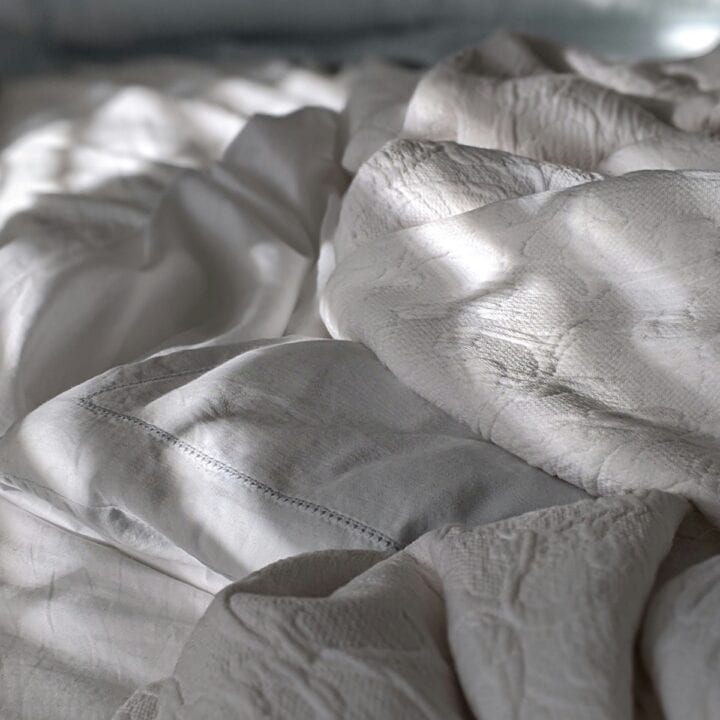



Materials, fill, size, and stitching all shape the experience in practical ways.
With careful comparison, our beds can feel calmer at night, while mornings begin with less heat stress, heaviness, or irritation.





Leave a Reply