

Choosing the best baby formula for your little one can be overwhelming. While all formulas are designed to meet essential nutritional requirements, they can vary in milk source, carbohydrates, optional ingredients, and other compositional differences that may affect how well your baby tolerates them.
In recent years, many parents have started looking beyond the big-brand formulas that are commonly available locally and are exploring premium options from Europe, like German baby formula, organic products, or specialty options.
Keep reading as we explore the differences between European goat milk-based formulas and specialized blends tailored for digestion, allergies, or reflux to help your family determine which option best meets your baby’s needs.

Jump to:
How Baby Formula Supports Infant Nutrition
In the first months, babies rely entirely on milk for their nutrition. Whether breastfed, formula-fed, or combination-fed, milk provides the essential building blocks for growth.
While breast milk remains the optimal source of nutrition, formula serves as a carefully regulated alternative to breastfeeding that aids healthy development by supporting:
- Brain development through essential fatty acids like DHA
- Energy needs through carbohydrates such as lactose
- Immune and bone development through vitamins and minerals
- Digestive health through carefully balanced protein and fats
Types of Baby Formula Explained
Not all formulas are built the same. Here we’ll explain some of the common types of formula and the sorts of babies they're best suited to.
Cow Milk Formula
Cow milk formula is the most widely used and extensively researched type of infant formula. It is designed to closely replicate the nutritional composition of breast milk and is generally well tolerated by most healthy babies.
However, some infants may be sensitive to cow’s milk proteins, in which case alternative feeding options, such as goat milk or specialty formulas, may be recommended. Remember to consult a pediatrician before making changes to your baby’s diet.
Goat Milk Formula
Goat milk formula has gained popularity for its natural similarities to breast milk and its gentle qualities, making it a soothing alternative to standard cow's milk formulas.
Goat milk naturally forms softer, looser curds in the stomach compared to cow’s milk, which can make it easier to digest for some babies.
This is partly due to its different protein structure; goat milk contains more A2-type beta-casein and less A1, which is often considered gentler on digestion. It also has smaller fat globules, helping it break down more easily in tiny tummies.
It’s important to note that goat milk formula is not suitable for babies with cow’s milk protein allergy (CMPA) or lactose intolerance.
Hypoallergenic Baby Formula
Hypoallergenic formulas (HA) are designed to minimize the potential for allergies in babies who have difficulty tolerating cow’s milk protein.
In these formulas, milk proteins are extensively hydrolyzed, meaning they’re broken down into smaller fragments.
Since the immune system usually reacts to the structure of whole proteins, breaking them down makes them less likely to trigger an allergic response.
HA formula is a specialized formula not intended for general feeding and should be introduced only under medical supervision.
Anti Reflux Formula
Anti Reflux formulas (AR) are designed for babies who experience excessive spit up.
These formulas are usually thickened with ingredients such as starch or carob bean gum, which help the milk stay in the stomach longer.
AR formulas should be used under medical supervision, as reflux is quite common during the first months of a baby's life due to the immaturity of their digestive system.
Therefore, a specialized formula may not be necessary in every case.
Comfort Formula
Comfort formula is designed for babies with mild digestive discomfort, such as gas, constipation, or colic.
They typically feature hydrolyzed milk proteins and reduced lactose blends to make digestion easier. As a special formula, Comfort milk should only be used under medical supervision.
Baby Formula by Stage
European formulas are typically organized into distinct stages with adjusted baby formula ingredients and nutrient levels to better match the specific needs of that phase of development.
Newborn (PRE / Stage 1)
Newborn formulas are designed to be gentle, nutritionally complete, and suitable from birth.
Both PRE and Stage 1 formulas can be used as the sole source of nutrition for formula-fed babies or as a supplement to breastfeeding. They aim to closely mimic the composition of early breast milk.
Stage PRE and Stage 1 formulas typically use lactose as the primary, or only, carbohydrate source since lactose is the natural sugar found in breast milk.
Some Stage 1 formulas also include a small amount of starch, which may help babies stay satisfied for longer between feeds.
Follow-On Formula (Stage 2)
Stage 2 formulas are introduced from 6+ months, when babies begin weaning.
This stage helps bridge the gap between exclusive milk feeding and a more varied diet, supporting babies as they explore new foods while still relying on formula for their primary source of nourishment.
Compared to newborn formulas, Stage 2 has more iron to meet higher mineral needs at this age.
Toddler Formula (Stage 3–4)
Toddler formulas are designed for children 12 + months of age, when solid foods become the primary source of nutrition.
At this stage, milk plays more of a supporting role in a child’s diet rather than being the main source of calories.
While toddler formulas aren’t essential for every child, some families choose to use them to help maintain balanced nutrition, especially during phases of picky eating or fluctuating appetites.
Organic European Baby Formula vs Conventional Formula
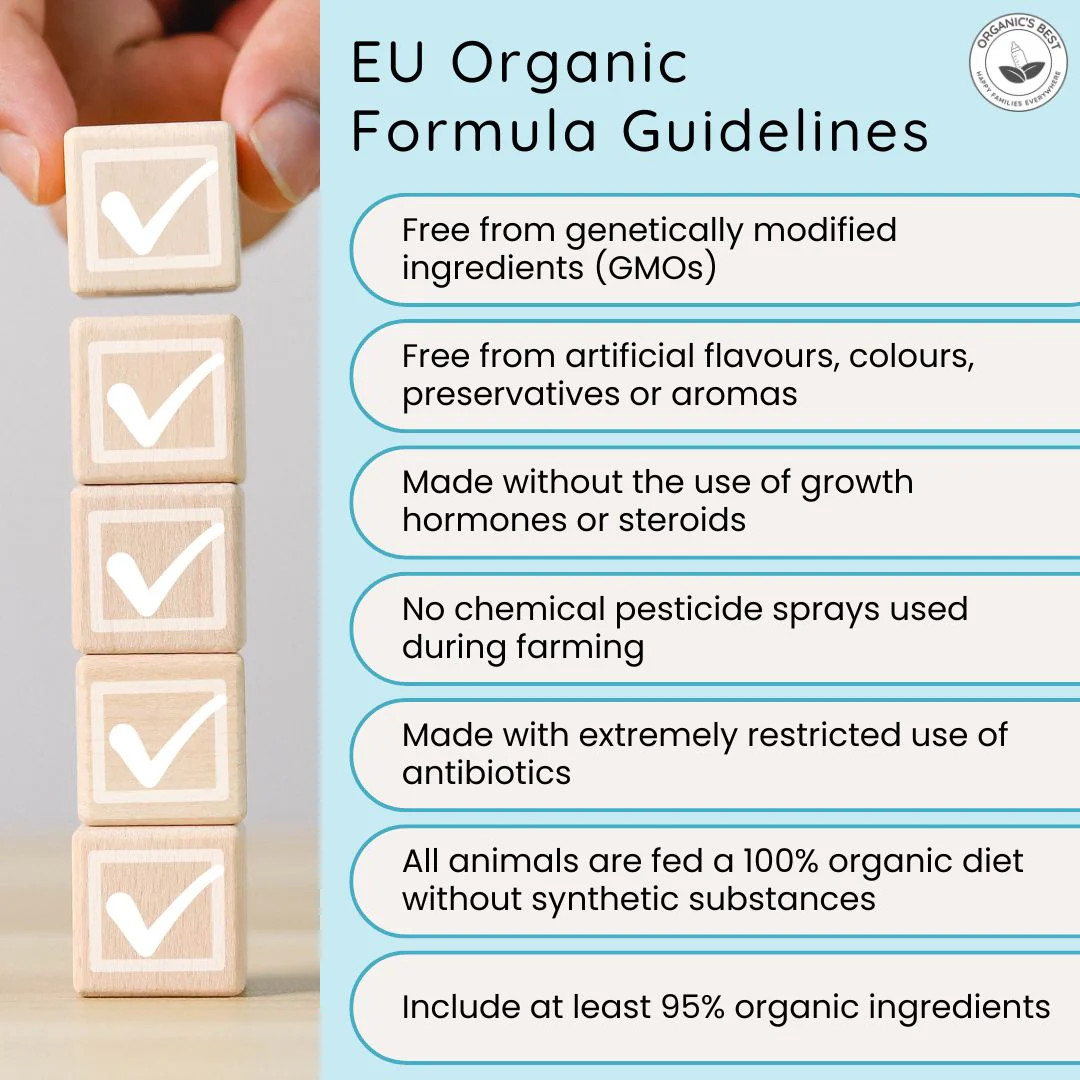
European organic formulas are typically built around a stricter set of standards, including:
- To be EU organic, at least 95% of agricultural ingredients must be organically produced and GMOs are not permitted
- EU organic standards emphasize animal welfare, soil quality, and minimizing synthetic pesticide use
- A minimum of 30% of carbohydrates must come from lactose
- Organic baby formula cannot include added sugars or artificial sweeteners, avoiding ingredients like corn syrup that are still common in other regions of the world
- Many European formulas include prebiotics and probiotics, which though optional, aid gut and immune health
- DHA is a required to support early brain and vision development
Where to Buy Baby Formula Online
Trusted specialty retailers of European formula like Organic’s Best have become a go-to option for many families.
- Parents Are Prioritising Breathable, Sustainable Fabrics For Children's Seasonal Sleepwear
- Our Homemade Christmas Printables, Made With AI: What Worked, What Didn't, and What I'm Saving for Next Year
- At-Home vs. In-Lounge IV Therapy in the Hudson Valley: Which Makes More Sense?
- Can Passengers Pursue Compensation After a Car Accident?




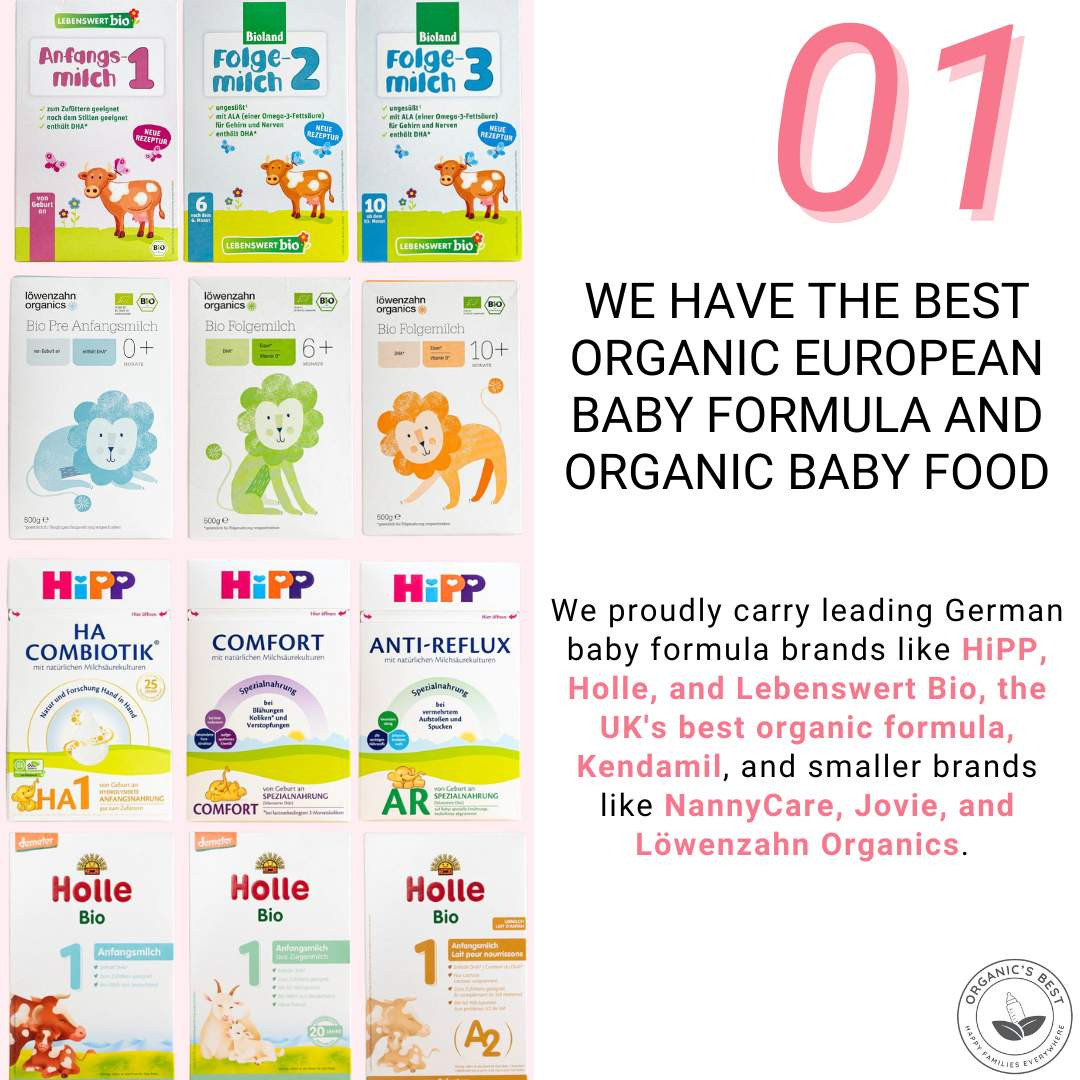
They carry an extensive range of formula including goat milk, whole milk, and specialized options from leading European brands like HiPP, Holle, and Kendamil.
With insured express shipping and expert customer care, parents can easily find their desired formula and have it delivered directly to their door in just 2-7 business days.





Leave a Reply