

Most parents in Delaware ask themselves a fair question: Can daycare offer anything beyond basic supervision? It can, and social-emotional learning (SEL) is a big part of the reason.
SEL helps children name their feelings, control their reactions, and build real connections with the people around them.
In Delaware, 71% of children have all available parents in the workforce (First Five Years Fund), so early care settings play a central role during some of the most formative years of a child's life.
A strong daycare program does more than bridge the hours between morning and evening.
It lays emotional groundwork that children carry with them into kindergarten and far beyond.
Jump to:
What Social-Emotional Learning Looks Like in Early Childhood
At its core, SEL focuses on five areas: self-awareness, self-management, social awareness, relationship skills, and responsible decision-making.
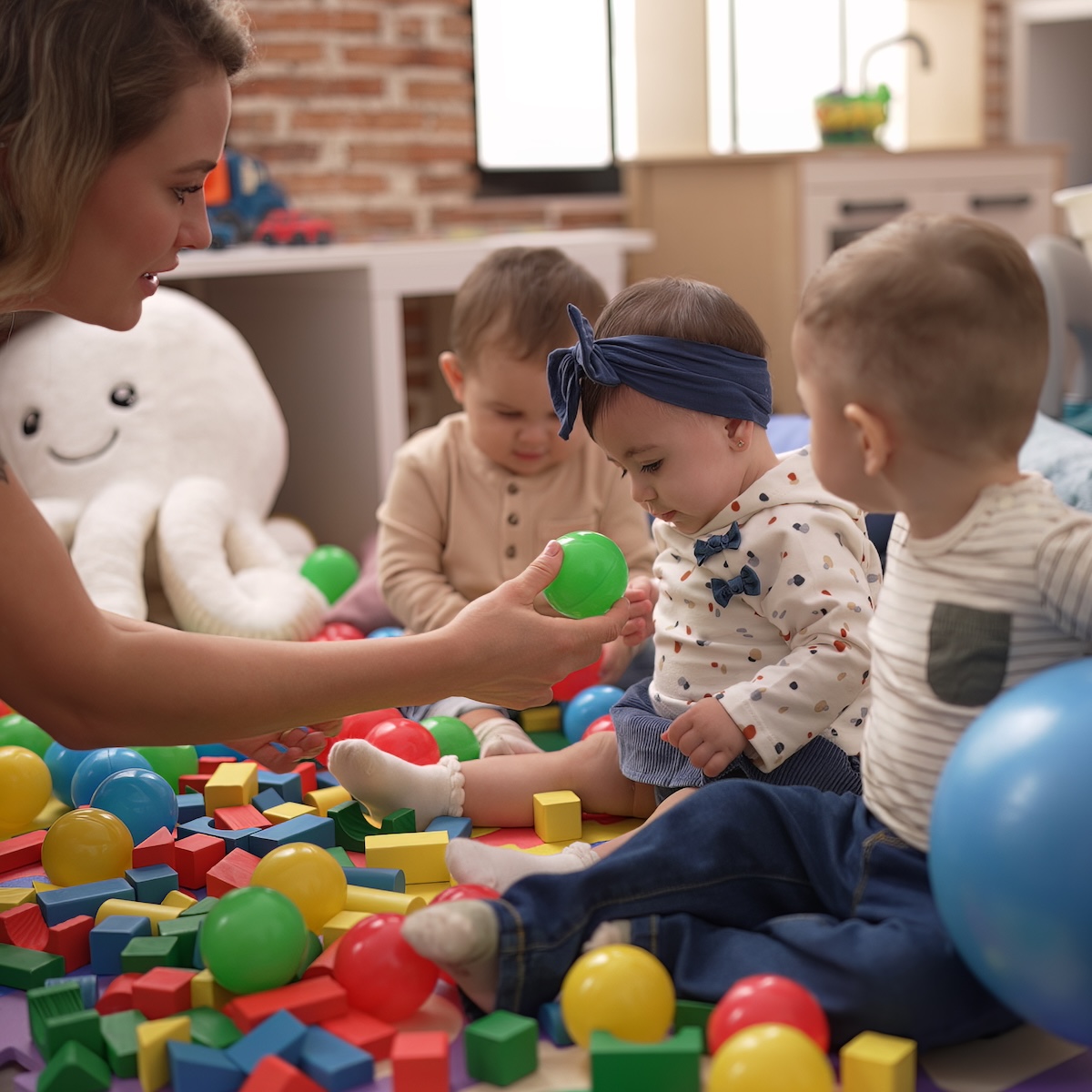
In daycare, these skills take shape through ordinary moments. A toddler waits for a turn on the slide. A preschooler asks a friend to share crayons rather than snatching them off the table.
That’s why choosing a reliable daycare in Dover, DE, often makes all the difference.
Children get to practice these abilities during circle time, group play, and even lunch.
Every routine creates space for kids to pick up on social cues and respond thoughtfully.
Trained caregivers guide those interactions, helping children put words to their emotions and choose better responses when they feel frustrated or overstimulated.
How Structured Routines Build Emotional Safety
Predictable schedules hand young children something they deeply need: a sense of what comes next.
Whether it is snack time, outdoor play, or a story, knowing the rhythm of the day eases anxiety and keeps kids grounded.
Shifting between activities is itself a teaching moment. When a caregiver gives a five-minute warning before cleanup, children practice patience and flexibility in real time.
Over weeks and months, those small adjustments accumulate. Kids start handling change without falling apart, a skill that pays off the moment they step into a formal classroom.
Peer Interaction as an SEL Classroom
A group setting provides something that home life, no matter how enriching, cannot easily match: a room full of same-age peers.
Children in daycare share space, toys, and adult attention for hours each day.
That proximity produces natural friction, and that friction becomes the material children learn from.
One child who has trouble joining a game starts reading body language and asking permission.
Another who tends to dominate begins listening instead.
A good daycare educator doesn’t fix every disagreement, but they walk children through resolving it on their own.
The Academic Payoff of Early Emotional Skills
A child who can settle down after a setback gets back to the task sooner. A child who cooperates well during a group activity absorbs more from it. These patterns take root in daycare and grow stronger over time.
Long-term research shows that students who receive early SEL and behavioral skills training go on to graduate at higher rates, attend college more often, and face fewer mental health challenges as adults.
What Delaware Families Should Look For
Delaware Stars for Early Success serves as the state's quality rating and improvement system for early care programs.
For parents exploring options in Dover or the surrounding communities, checking a center's star rating is a solid first step.
Beyond ratings, pay attention to how staff handle emotions in the room.
Look for programs where teachers name feelings out loud, where conflict resolution is coached rather than punished, and where daily schedules balance free play with guided group activities.
Plus, ask about ongoing staff training in SEL methods.
Centers that invest in their educators' professional development tend to produce noticeably stronger results for the children in their care.
Ending Note
Daycare is far more than a place to drop kids off. It is where children first learn to share, listen, take turns, and bounce back from small disappointments.
Those emotional building blocks shape how they perform in school, form friendships, and cope with stress for years ahead.
- Parents Are Prioritising Breathable, Sustainable Fabrics For Children's Seasonal Sleepwear
- Our Homemade Christmas Printables, Made With AI: What Worked, What Didn't, and What I'm Saving for Next Year
- At-Home vs. In-Lounge IV Therapy in the Hudson Valley: Which Makes More Sense?
- Can Passengers Pursue Compensation After a Car Accident?




For families considering their options, picking a center that treats social-emotional learning as a priority is one of the most grounded, practical decisions they can make.
The right setting transforms routine moments, a shared snack, or a playground disagreement into lessons that stick.





Leave a Reply