

Most people in Dallas Fort Worth do not wake up one day suddenly understanding solar. Their wanting to install solar usually starts with something small.
A high summer bill or a neighbor installing panels. That’s how it may start, but understanding the basics before jumping in helps you make informed decisions about the whole process.
It also helps you have a more detailed conversation with a home solar installer in Dallas. It changes how you evaluate options and who you trust.
Jump to:
Does Your Roof And Home Setup Make Sense For Solar
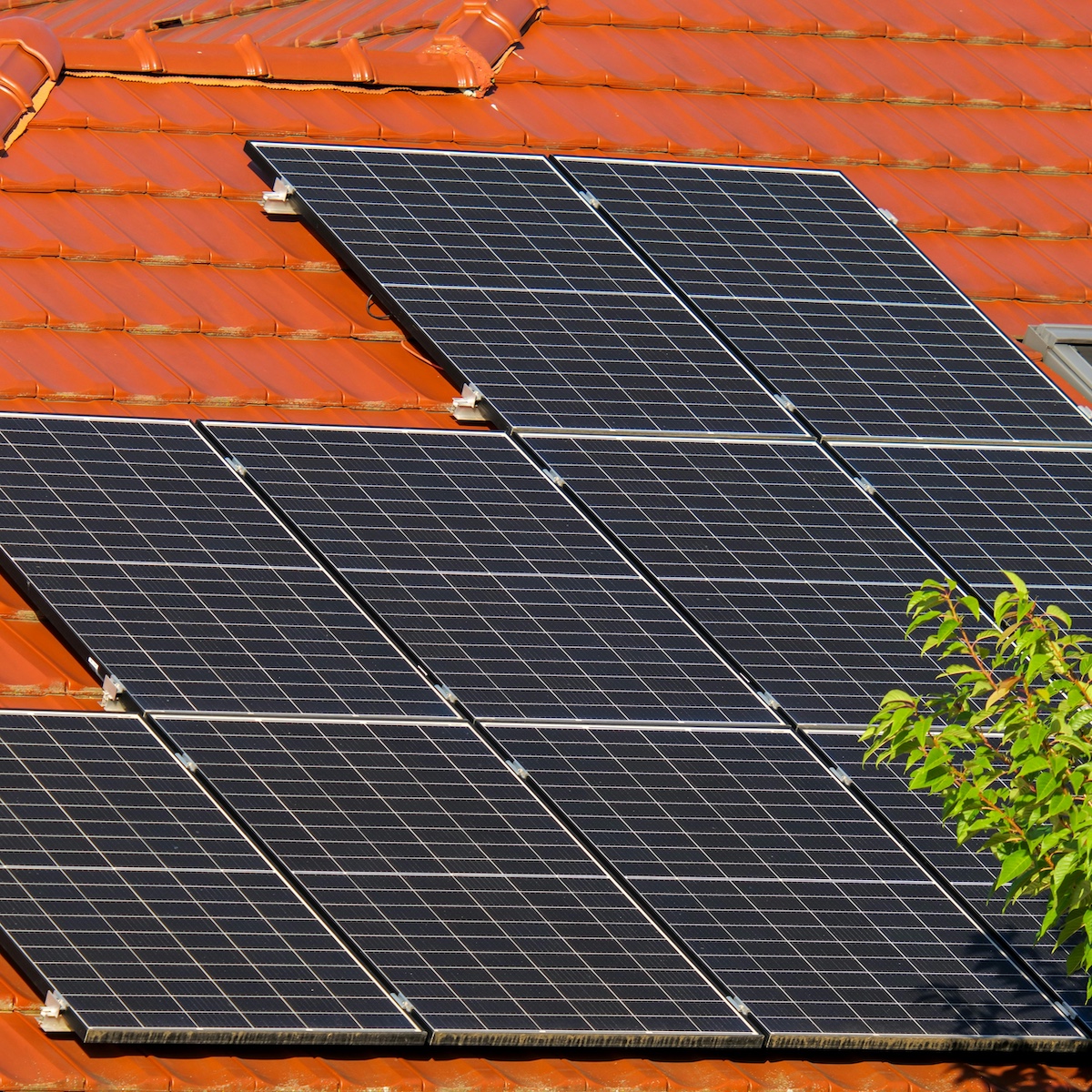
A lot of homeowners assume that if they have a roof, they are good to go, but you have to consider many factors when going solar. Roof direction is often the first thing people hear about.
South-facing roofs are usually the strongest performers because they get the most sunlight. However, that does not mean other directions fail.
East and west setups can still produce solid results, especially in Texas, where sunlight is abundant for most of the year.
Shade on the roof tends to be an issue. For example, a tree that blocks sunlight for a few hours each day can reduce output.
It is not just about total sunlight, but when that sunlight hits the roof. Late afternoon shade can cut into peak production hours.
Roof condition is another detail people sometimes ignore. Panels are designed to stay in place for a long time.
If your roof is ageing, it may need attention before installing solar. Removing panels later to fix roofing issues is possible, but not something most homeowners want to deal with.
Energy usage matters just as much as the roof. Looking at one or two utility bills does not tell you the full story. A full year gives a better picture.
Dallas summers tend to drive energy use higher, so air conditioning can affect your usage.
If you plan to stay in your home for many years, solar has more time to deliver value. If a move is likely in the near future, it becomes more of a strategic decision.
Understanding Cost Without Getting Lost
This is where most homeowners start paying closer attention. You want to know what it costs and whether the savings are big enough.
However, the answer depends on your home, your energy use, and the systemis structure.
System size drives a big part of the cost. A home that uses more electricity needs a larger system.
Equipment quality and installation complexity also play a role, but those differences usually show up in more subtle ways.
Then there are incentives. The federal solar tax credit reduces the overall cost by allowing you to recover part of the investment through your taxes. That changes the picture significantly for many homeowners.
Local utility programs add another layer, and this is where things can get a bit confusing.
Some utilities offer decent value for excess energy sent back to the grid, but others do not. That difference changes how you think about system size and usage.
If the buyback rate is low, it often makes more sense to use your own energy rather than export it.
That can influence whether you consider battery storage or adjust how your system is designed.
Financing is another factor. Paying up front typically leads to better long-term savings.
Financing spreads out the cost and can make solar more accessible, but it changes the overall return.
Monthly payments might look attractive, but it is important to look beyond that number.
A better question is what happens over time. How much will you pay in total? How much will you likely save? Those are the questions that tend to matter more than anything said in a quick sales pitch.
What The Installation Process Is Like
Once you decide to move forward, the process usually begins with an initial assessment. Installers review your home using satellite data and your energy history. If things look promising, they move into a more detailed design phase.
This is where your system takes shape. Panel placement, system size, and equipment choices are finalized based on your home.
You do not need to understand every technical detail, but it helps to know that the system is being built around your specific setup.
Permitting comes next, and this part requires patience. Local authorities review the plans to make sure everything meets code.
This step happens behind the scenes, but it can take time depending on the area.
In many cases, the panels are installed within a couple of days. After weeks of planning, it can feel surprisingly quick to see everything come together.
Then comes inspection and approval. Inspectors verify the system, and the utility gives permission to operate. Until that happens, the system stays turned off.
Once approval is granted, the system starts producing power. You can track production through an app, see how much energy your system generates, and start to understand how it fits into your daily usage.
What Changes After Your System Is Up And Running
Life with solar does not feel dramatically different at first. You still use electricity the same way.
The difference is happening in the background. During the day, your system generates electricity for your home.
In some cases, it produces more than you need and sends the extra back to the grid. Depending on your utility, you may receive credit for that.
Over time, you start to notice that high-usage periods become more frequent. Some homeowners become more aware of how they use energy when they make small adjustments.
Maintenance is usually minimal. Panels are built to withstand the weather and have no moving parts.
Dust or pollen may require occasional cleaning, but most systems operate without needing attention.
- Parents Are Prioritising Breathable, Sustainable Fabrics For Children's Seasonal Sleepwear
- Our Homemade Christmas Printables, Made With AI: What Worked, What Didn't, and What I'm Saving for Next Year
- At-Home vs. In-Lounge IV Therapy in the Hudson Valley: Which Makes More Sense?
- Can Passengers Pursue Compensation After a Car Accident?




There can be small issues over the years. An inverter might need service at some point or you may have some minor issues.
These are generally manageable and do not detract from the value of the system.
The important thing is that you have a basic understanding of how your solar panels work and you know who to contact when you need assistance in the DFW Metroplex.





Leave a Reply