

Cities have always told stories, but for most of history, those narratives unfolded slowly through architecture and monuments. Something shifted in recent decades.
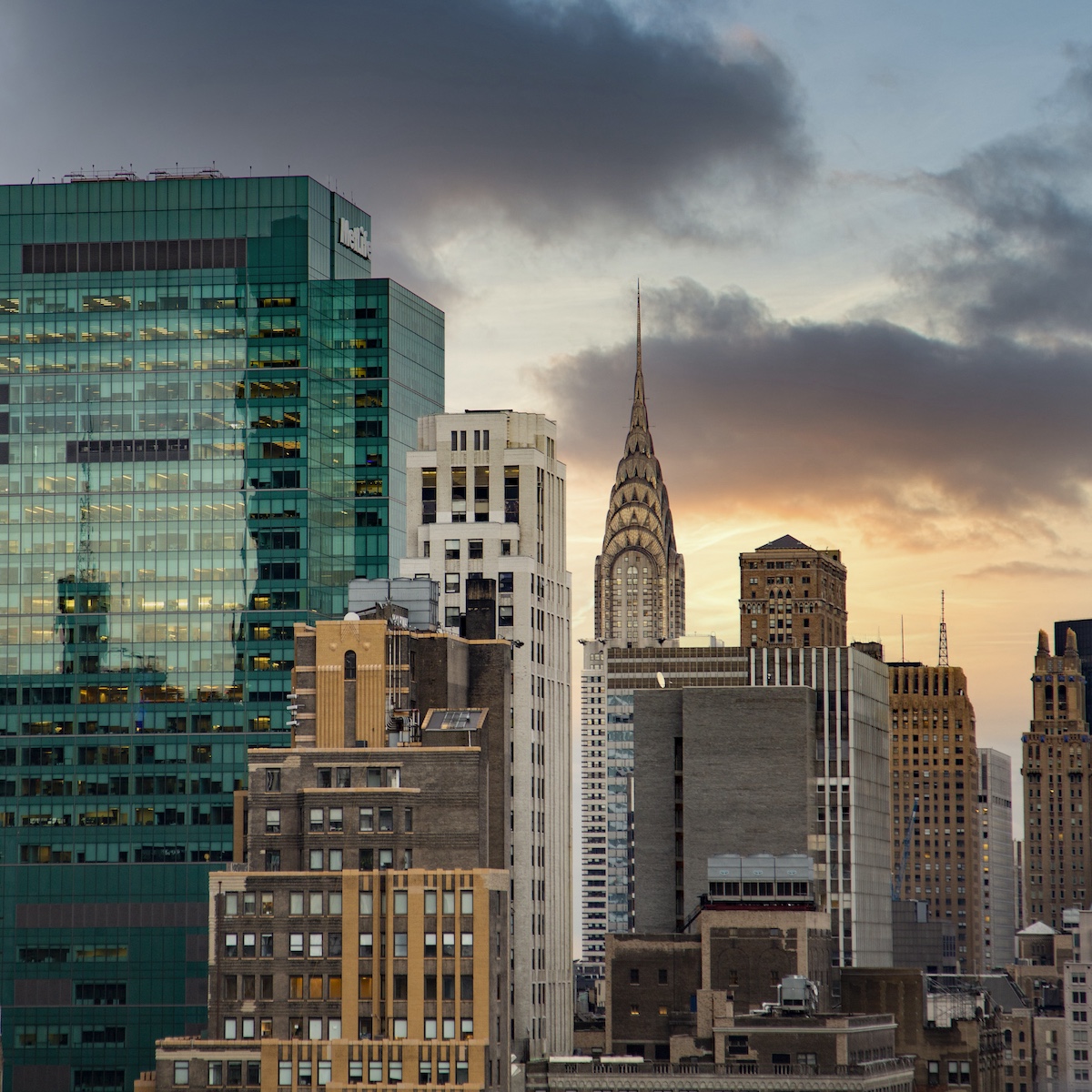
Our urban environments learned to speak in real time, turning blank walls into canvases and transforming spaces between buildings into stages for constantly evolving narratives.
The stories cities tell today are different from the static historical narratives embedded in their structures.
These are living tales that change with seasons, respond to current events, and reflect the cultural moment. The buildings themselves have become storytellers, and we're all wandering through their narratives.
Jump to:
The Transformation of Urban Surfaces
Walk through any major city today and you'll notice something that would have been impossible just a generation ago. Surfaces that were once purely functional have become communication platforms.
The side of a building. The wall of a construction site. The space above a subway entrance. These forgotten areas have found new purpose as vehicles for visual storytelling.
This transformation didn't happen by accident. As cities grew denser, every available surface gained potential value.
But rather than simply filling these spaces with noise, something more interesting emerged. The best urban storytelling recognizes that context matters.
A message on a building in a financial district speaks differently than the same message in an arts neighborhood.
Out-of-home advertising played a significant role in this evolution, but it's become something more than traditional marketing.
When executed thoughtfully, these installations contribute to the personality of urban spaces.
They give neighborhoods distinctive identities. They mark moments in time. They create shared reference points for everyone who moves through the space.
The Language of Large-Scale Communication
Buildings speak in a language all their own. Scale changes everything about how messages are perceived.
An idea that works on a phone screen might fall flat when blown up to cover a twenty-story structure.
The relationship between viewer and building-scale messaging is fundamentally different from other communication.
You don't choose to engage with it. It's simply there, part of your environment. This omnipresence means the work needs to justify its presence through beauty, utility, or engagement.
Successful building-scale narratives understand urban life rhythms. They account for repeated viewing over days or months.
The initial impact matters, but so does sustained interest. The work needs to reward both quick glances and longer observation.
Color takes on new importance at this scale. A bold palette can activate an entire block. Subtle gradients create depth.
The interplay between installation colors and surrounding architecture either harmonizes or deliberately contrasts, each creating a different effect on the urban landscape.
Stories That Respond to Their Environment
The most sophisticated urban storytelling today doesn't just occupy space. It responds to conditions and acknowledges the world around it.
Digital technology has enabled this, but the real innovation is recognising that static messaging in a dynamic world feels out of place.
Imagine installations that shift based on time of day. Weather-responsive displays that adjust to rain or sunshine.
Screens that incorporate real-time data, creating a connection between the message and viewers' immediate experience.
This responsiveness creates a sense that the city itself is aware. The built environment stops feeling like a passive backdrop and becomes an active participant.
When a building appears to acknowledge current conditions, it creates connection that static images cannot achieve.
The Seasonal Rhythms of Urban Narrative
Cities have always had seasonal personalities. Winter brings a particular quality of light. Summer changes how people use spaces. What's new is how visible narratives in the urban landscape now reflect these seasonal shifts.
Holiday messaging is the obvious example, but seasonal storytelling goes deeper. Spring campaigns that celebrate renewal.
Summer installations that capture the energy of long days. Fall messages that reflect change. Winter work that brings warmth to dark months.
These seasonal shifts help cities feel alive rather than static. They mark the passage of time in a way that purely functional architecture cannot.
They give people reasons to notice their surroundings and pay attention to how their environment changes.
The best seasonal urban storytelling doesn't just reflect the calendar. It captures something true about how we experience that moment. The anticipation of summer.
The melancholy of autumn. These emotional truths, when expressed well at urban scale, resonate deeply with people moving through the space.
The Social Nature of Shared Stories
Whenbuildings tell stories, those narratives become part of the shared experience of everyone in that area. Locals use landmark installations as meeting points.
Visitors photograph them as emblems of the city they're exploring. They become part of the collective memory of a place.
This social dimension transforms individual creative work into community touchstones. People develop relationships with installations they pass daily. They notice when content changes.
They have opinions about what works. The conversation extends beyond the installation to discussions about creativity and public space.
Social media has amplified this effect. When someone photographs an installation and shares it, they're contributing to the larger narrative about what their city is and what it values.
The most successful urban storytelling creates images and moments that people want to share.
The Ethics of Urban Storytelling
With great visibility comes responsibility. When buildings talk, they're speaking to everyone in the area, regardless of whether those people chose to listen.
This captive audience dynamic raises important questions about what messages belong in shared public space.
The best urban storytelling respects its audience. It doesn't exploit attention. It offers something of value, whether beauty, wit, useful information, or emotional resonance. It recognizes that public space belongs to everyone.
There's also the question of visual clutter. Not every available surface should carry messaging. Cities need breathing room. They need quiet spaces where architecture speaks for itself.
The tension between activation and restraint defines much of the contemporary conversation about urban visual culture.
Looking Forward
The transformation of cities into storytelling platforms is still in its early stages. As technology advances and creative approaches evolve, we'll likely see even more sophisticated integration between messaging and urban environment.
- Parents Are Prioritising Breathable, Sustainable Fabrics For Children's Seasonal Sleepwear
- Our Homemade Christmas Printables, Made With AI: What Worked, What Didn't, and What I'm Saving for Next Year
- At-Home vs. In-Lounge IV Therapy in the Hudson Valley: Which Makes More Sense?
- Can Passengers Pursue Compensation After a Car Accident?




What matters most isn't the technology or creative execution, though both are important.
What matters is the recognition that our cities can be more than the sum of their buildings and streets.
They can be spaces that communicate, respond, and engage. When buildings start talking, cities become more human, more expressive, and more alive.
The stories our urban environments tell shape how we experience and remember the places we live and move through every day.





Leave a Reply