

High-density operations are important for maximizing efficiency in environments where space is at a premium. Selecting the right framework is vital as it directly impacts productivity, safety, and the effectiveness of operations. This selection process involves several critical considerations, including the type of goods stored, access requirements, and the volume of inventory being managed. By understanding these factors, businesses can choose a framework that enhances their workflow and boosts performance.
Understanding High-Density Operations

High-density operations refer to systems designed to optimize storage space and improve accessibility. They are common in warehouses, distribution centers, and manufacturing facilities, where businesses seek to make the most of their limited space.
These operations require careful planning and consideration. High-density storage systems often employ vertical space efficiently, making use of racks and shelves that extend upward rather than outward.
The implementation of technology, such as automated retrieval systems, can also facilitate faster operations and reduce labor costs. Understanding the unique demands of high-density environments will guide businesses in selecting the appropriate frameworks.
Safety and Compliance Concerns
Safety is paramount when selecting storage frameworks, since high-density storage systems can present safety challenges if not properly designed or maintained. Investing in quality warehouse racking and shelving solutions ensures that the frameworks adhere to safety standards while optimizing storage. By doing so, businesses create a safer working environment, fostering a culture of safety within the operation.
Racking systems must comply with safety regulations, which vary based on location and industry types. Ignoring these regulations can lead to heavy fines and a decrease in operational efficiency.
Proper training for employees is equally vital. They should understand how to navigate the chosen framework, including emergency procedures and safety protocols.
Types of Storage Frameworks
When choosing a storage framework for high-density operations, it is crucial to explore the various types of systems available. Each type has its unique features, benefits, and ideal uses.
Selective racking systems are the most common and offer direct access to each pallet or product. While they may not maximize vertical space, they provide excellent flexibility for inventory management.
Drive-In/Drive-Through racking minimizes aisle space by allowing forklifts to drive into rows of racks. This design increases storage density and typically operates on a “last-in, first-out” (LIFO) principle, making it suitable for products with lower turnover requirements.
Push-Back racking combines the advantages of both selective and drive-in systems. It allows for higher-density storage and quick access to products while maintaining organization and efficiency.
Accessibility vs. Storage Density
One of the most significant challenges in selecting a framework for high-density operations is balancing accessibility with storage density. High-density solutions often reduce aisle space to increase the number of pallets stored. This can lead to difficulties when it comes to accessing the products.
When designing a strategy, businesses should ensure that employees can easily retrieve and replace products as needed. Overly dense storage systems may increase the time needed for retrieval and could lead to product damage or increased risk of accidents. Evaluating workflow and considering automated systems to enhance navigation within confined spaces can greatly improve operations.
Incorporating Technology into High-Density Frameworks
Technology plays a crucial role in enhancing the effectiveness of high-density operations. The integration of advanced software, automated retrieval systems, and sophisticated inventory management can ensure smooth operations while maximizing storage efficiency.
Automated storage and retrieval systems (ASRS) have gained popularity in warehouses due to their ability to minimize human labor while increasing speed and accuracy. Using inventory management software allows for better tracking of stock levels and reduces the risk of overstocking or stockouts.
Implementing these technologies streamlines daily operations, reduces labor costs, and contributes to profitability. By leveraging technology, businesses can enhance warehouse flow and make informed decisions regarding their operational frameworks.
Consideration of Future Growth
As businesses grow, so do their storage needs. When selecting a warehouse framework for high-density operations, it is crucial to factor in future growth to avoid costly adjustments later on. Flexible and modular systems that can scale with the business should be prioritized.
Many modern racking solutions are designed with adaptability in mind, allowing businesses to modify storage capacity as required without significant disruption. Future-proofing the framework will save time and resources, enabling smooth transitions during growth phases. Therefore, consider systems that can easily accommodate expanding inventories.
🤖 Looking For An Answer?
Ask AI to summarise this post to see if the article answers your questions:
Cost Implications
Cost is always a factor in any business decision, including the selection of storage frameworks. While high-density storage solutions may have higher upfront costs, the long-term benefits often justify the initial investment. From improved efficiency to enhanced safety and accessibility, a well-selected framework can have a positive impact on a company's bottom line.
It’s important to take into account the total cost of ownership, including maintenance, repairs, training, and operational downtime. By doing a thorough cost analysis, businesses can better understand the financial implications and select solutions that provide the best value.
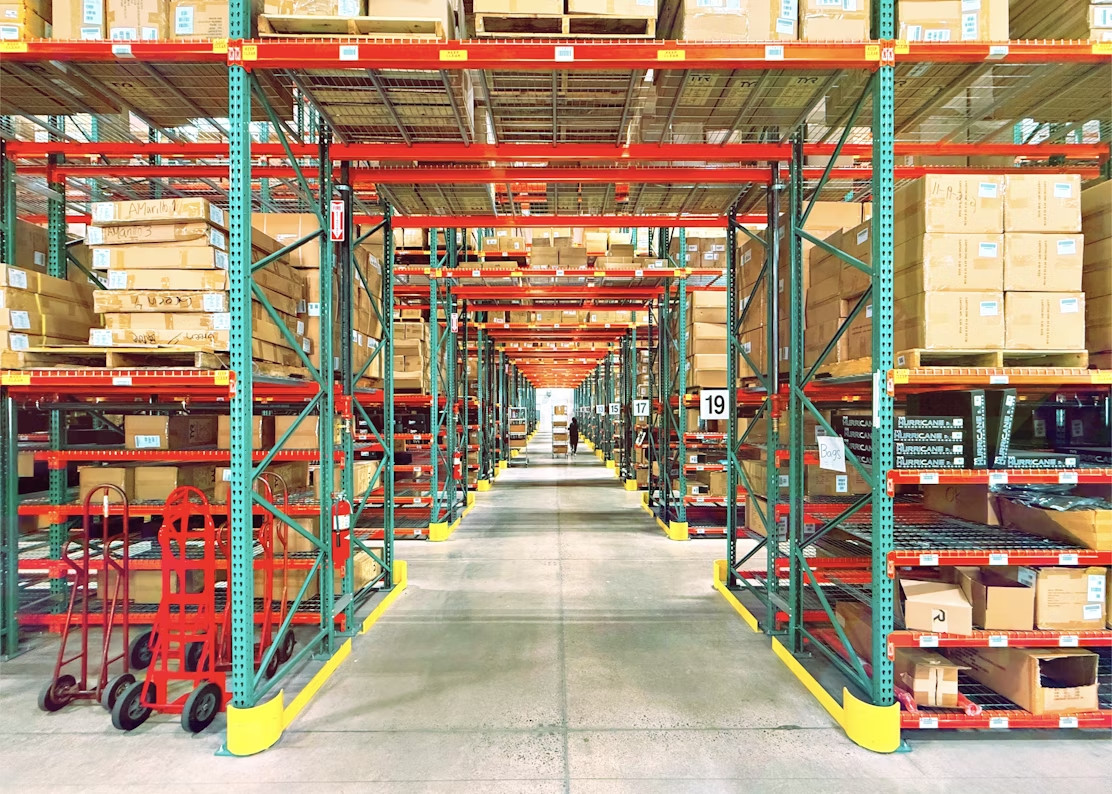
When considering various warehouse and shelving solutions, it is vital to weigh all aspects carefully. The chosen framework should align with operational goals, enhance productivity, and fit within budgetary constraints while anticipating future growth. The ideal framework addresses current challenges while preparing for future demands, striking a balance between functionality, safety, and efficiency.





Leave a Reply