

Gestational Diabetes Meal Plan for Pregnancy is one of the most effective tools for managing blood sugar while supporting both your health and your baby’s development.
If you’ve recently been diagnosed with gestational diabetes, you’re not alone.
It can feel overwhelming, but the right combination of complex carbohydrates, lean proteins, healthy fats, and fibre-rich vegetables can help stabilise blood glucose levels and reduce the risk of complications.
This guide gives you a complete, 7-day meal plan for gestational diabetes. It’s easy to follow, designed to support healthy blood sugar levels, and built around foods that are safe during pregnancy.
Jump to:
- What is gestational diabetes?
- Why does a meal plan matter?
- What should you eat with gestational diabetes?
- How many carbs should you eat?
- How often should you eat?
- The 7-day meal plan for gestational diabetes
- Day 1
- Day 2
- Day 3
- Day 4
- Day 5
- Day 6
- Day 7
- Can you eat fruit with gestational diabetes?
- What drinks are safe?
- How do you track your blood sugar?
- What if you need snacks at night?
- Is exercise helpful?
- Final thoughts
- References
What is gestational diabetes?
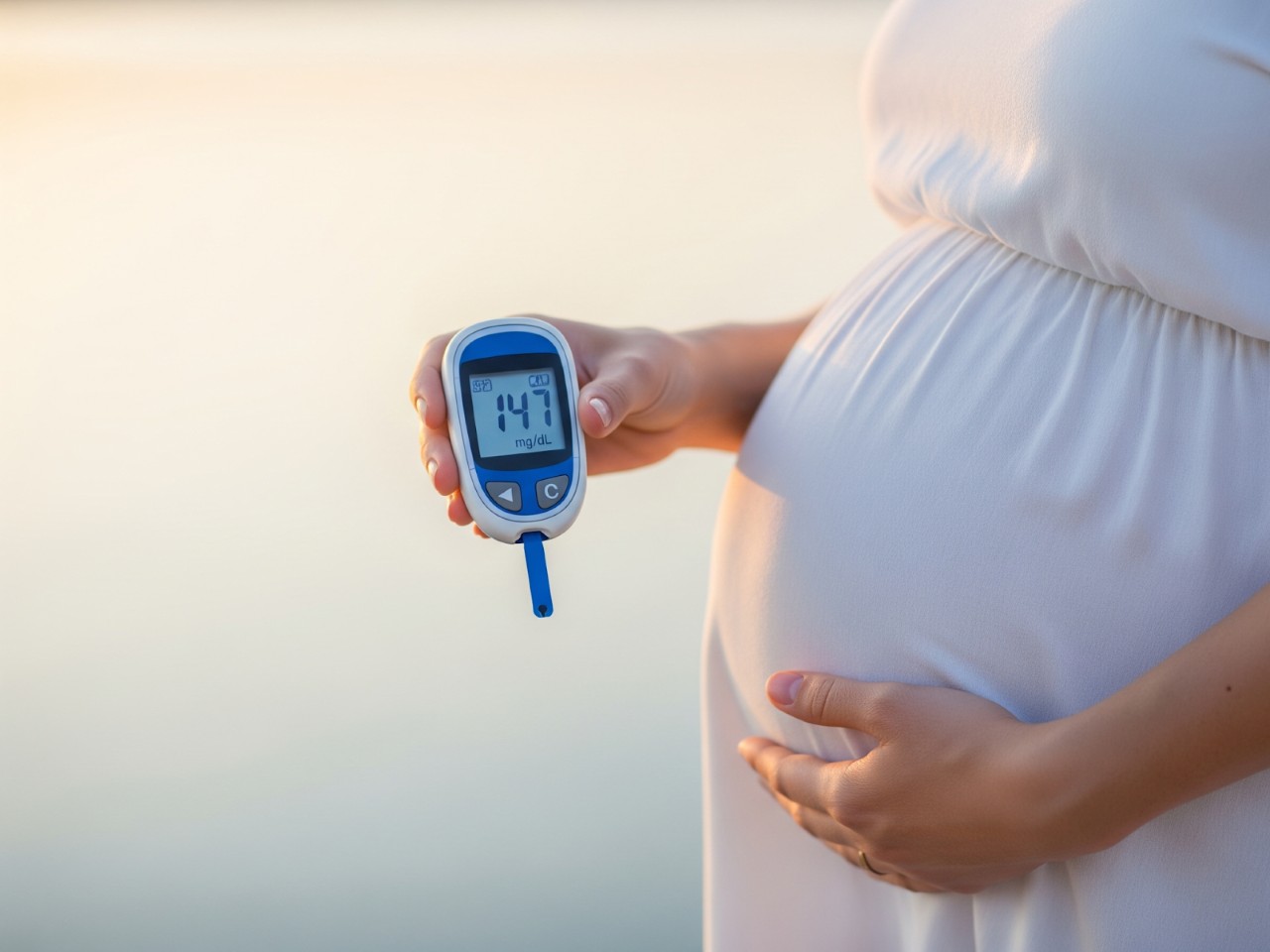
Gestational diabetes (GDM) is a form of high blood sugar that happens during pregnancy. It usually shows up between 24 and 28 weeks, even if you didn’t have diabetes before. GDM affects how your body uses insulin, the hormone that helps move sugar from your blood into your cells.
Globally, gestational diabetes affects about 16.7% of pregnancies, with around 21.1 million cases in 2021, and 80% of those due to GDM
With GDM, your body can’t use insulin well, which causes sugar to build up in the blood. That’s why your diet plays such a big role in keeping your levels steady.
Most people with GDM can manage their blood sugar with a healthy eating plan, regular physical activity, and blood sugar checks. In some cases, insulin or other medications may also be needed.For help tracking glucose at home, see this guide on how to monitor glucose levels at home.
Why does a meal plan matter?
When you’re pregnant with gestational diabetes, your food choices directly affect your blood sugar. A meal plan helps you:
● Space out carbohydrates
● Avoid sugar spikes
● Get enough nutrients for your baby
● Feel more in control
And that’s the goal: To keep your blood sugar steady and your body nourished without feeling like you’re on a strict or miserable diet.If your urine shows signs of glucose, learn more in this article on glucose in urine.
What should you eat with gestational diabetes?
There’s no one-size-fits-all approach to eating well, but some general guidelines can help.
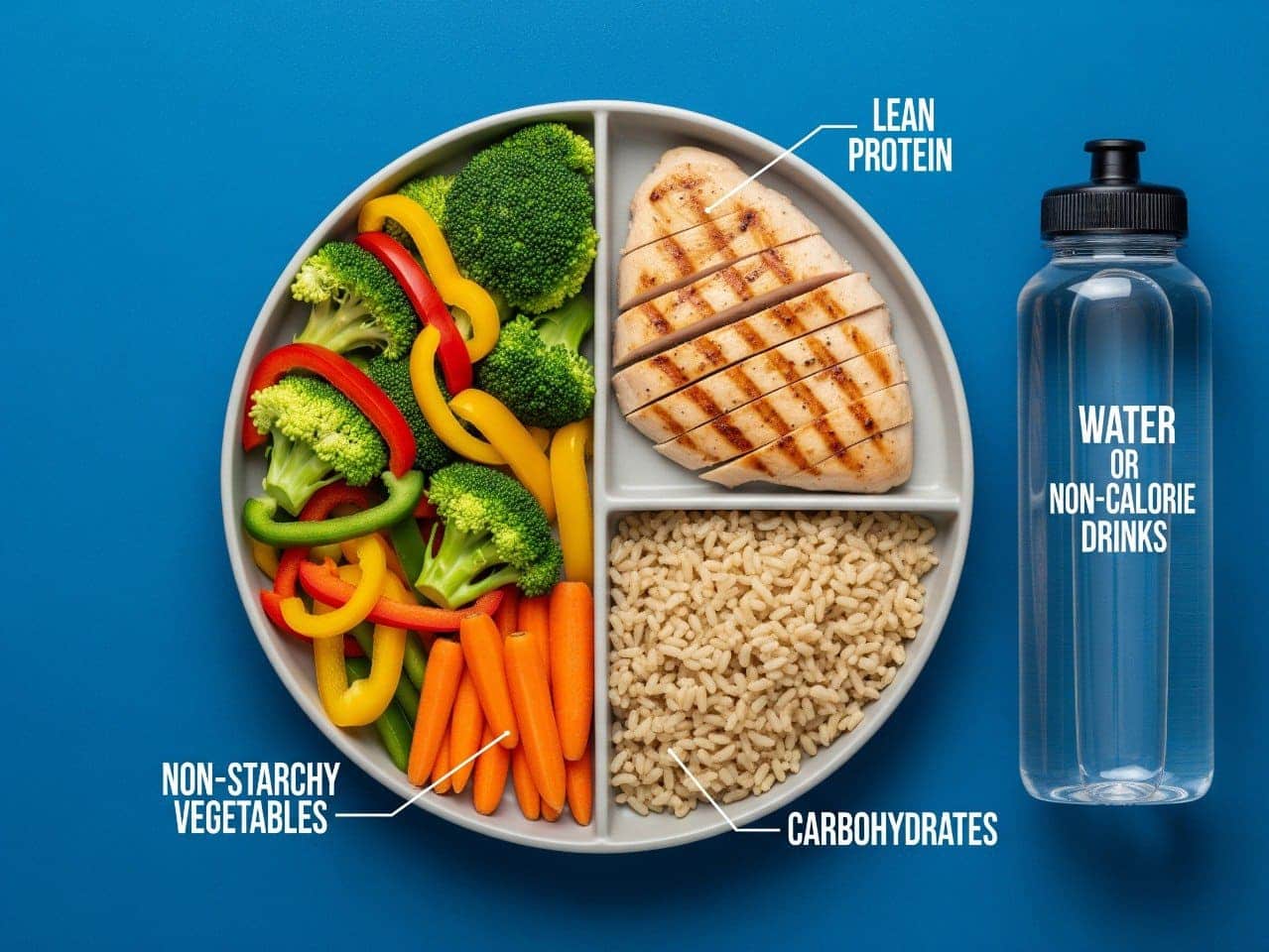
Try to include more non-starchy vegetables such as spinach, peppers, and broccoli. These provide fiber, vitamins, and minerals without spiking blood sugar. Choose lean proteins like chicken, eggs, tofu, or fish. They help with muscle repair and keep you feeling full. Healthy fats—like those found in avocado, olive oil, and nuts—support heart and brain health. You can also include small portions of whole grains and low-sugar fruits such as berries, apples, or pears. For drinks, stick with water or unsweetened almond or soy milk.
Some foods are best limited. These include white rice, white bread, and sugary cereals, as they can quickly raise blood sugar. Juice and other sugary drinks are high in calories and sugar without offering much nutrition. Baked goods, processed snacks, and fried foods are often high in unhealthy fats and added sugars. Sauces like teriyaki or barbecue can be surprisingly high in sugar, so it's a good idea to use them in moderation.
Your plate should focus on balance = ½ veggies, ¼ protein, ¼ complex carbs, plus a little healthy fat.
How many carbs should you eat?
Each person’s needs are different, but here’s a general guide:
● Per meal: 30–45 grams of carbohydrates
● Per snack: 15–20 grams of carbohydrates
● Total per day: Around 175 grams (as recommended during pregnancy)
Be sure to work with your provider to personalize your target based on your weight, activity level, and blood sugar readings.
How often should you eat?
You’ll want to eat three meals and 2–3 snacks per day.
This keeps your blood sugar from dropping too low or spiking too high.
Spacing your meals about every 2–3 hours for gestational diabetes can help keep things steady. Think of it as gently feeding your body in small, steady amounts — rather than dumping too much sugar into your system at once.
Diet also impacts kidney health. Here’s how to protect your kidneys during pregnancy.
The 7-day meal plan for gestational diabetes
Here’s a full week of meals. Each day includes breakfast, lunch, dinner, and snacks. The portions are balanced to help with blood sugar control. You can adjust based on your own needs, but always check with your provider.
Day 1
Breakfast
● 1 slice sprouted whole grain toast (15g carbs)
● 1 boiled egg
● ¼ avocado
● ½ cup unsweetened almond milk
Snack
● 1 small apple (15g carbs)
● 1 tablespoon peanut butter
Lunch
● Grilled chicken salad with spinach, peppers, cucumbers, and tomatoes
● 2 tablespoon olive oil dressing
● ½ cup cooked quinoa (20g carbs)
Snack
● 1 light string cheese
● 10 almonds
Dinner
● Baked salmon (3–4 oz)
● ½ cup brown rice (22g carbs)
● Steamed broccoli
Evening snack
● ¾ cup plain Greek yogurt
● ¼ cup blueberries (5g carbs)
Day 2
Breakfast
● ½ cup oatmeal (dry measure, 25g carbs)
● 1 boiled egg
● 1 tablespoon ground flaxseed
Snack
● 1 small orange (15g carbs)
● 5 almonds
Lunch
● Turkey lettuce wrap (sliced turkey, mustard, avocado in romaine leaves)
● ½ cup lentil soup (15g carbs)
Snack
● 1 small pear (15g carbs)
● 1 tablespoon almond butter
Dinner
● Ground turkey taco bowl: turkey, beans, lettuce, tomato, cheese, salsa
● ⅓ cup black beans (15g carbs)
● ½ cup cauliflower rice
Evening snack
● 1 boiled egg
● 1 Wasa cracker (8g carbs)
Day 3
Breakfast
● 2 scrambled eggs
● 1 slice whole grain toast (15g carbs)
● ½ grapefruit
Snack
● 1 string cheese
● Cucumber slices
Lunch
● Tuna salad (tuna, olive oil, celery)
● 3 whole grain crackers (15g carbs)
● Carrot sticks
Snack
● ½ cup plain Greek yogurt
● 1 tablespoon chia seeds
Dinner
● Grilled chicken thigh
● ½ cup roasted sweet potatoes (20g carbs)
● Steamed green beans
Evening snack
● ¼ cup cottage cheese
● 3 strawberries
Day 4
Breakfast
● ½ cup low-carb granola (15g carbs)
● ¾ cup unsweetened almond milk
● 1 boiled egg
Snack
● ½ banana (15g carbs)
● 1 tablespoon peanut butter
Lunch
● Turkey burger in lettuce wrap
● ⅓ cup cooked farro (15g carbs)
● Roasted zucchini
Snack
● 1 small peach (15g carbs)
● 1 tablespoon sunflower seeds
Dinner
● Baked tilapia
● ½ cup wild rice (22g carbs)
● Steamed asparagus
Evening snack
● Handful of walnuts
● 1 Wasa cracker
Day 5
Breakfast
● Omelet with 1 egg + 2 egg whites, spinach, and mushrooms
● ½ slice whole grain toast (7g carbs)
Snack
● 1 small orange (15g carbs)
● 6 almonds
Lunch
● Chicken Caesar salad (no croutons)
● Parmesan, olive oil dressing
● ⅓ cup chickpeas (15g carbs)
Snack
● ½ cup Greek yogurt
● 1 tablespoon flaxseed
Dinner
● Turkey meatballs (baked)
● Zucchini noodles
● ⅓ cup no-sugar-added marinara (5g carbs)
Evening snack
● 1 cheese stick
● 1 Wasa cracker (8g carbs)
Day 6
Breakfast
● ½ cup steel-cut oats
● 1 tablespoon chia seeds
● ½ boiled egg
Snack
● ½ apple
● 1 tablespoon almond butter
Lunch
● Grilled shrimp salad (mixed greens, cucumber, tomatoes, ½ avocado)
● ½ cup cooked edamame (15g carbs)
Snack
● ¾ cup plain yogurt
● 1 tablespoon sunflower seeds
Dinner
● Baked chicken
● ½ cup barley (22g carbs)
● Roasted carrots and Brussels sprouts
Evening snack
● ¼ cup cottage cheese
● 2 small strawberries
Day 7
Breakfast
● 2 eggs
● ½ small whole grain English muffin (15g carbs)
● 1 tablespoon peanut butter
Snack
● 1 small plum (10g carbs)
● 1 tablespoon mixed nuts
Lunch
● Grilled veggie wrap (in a low-carb tortilla)
● 2 tablespoon hummus
● ½ cup baby carrots
Snack
● 1 cheese stick
● ½ cup blueberries (10g carbs)
Dinner
● Stir-fry with chicken, broccoli, peppers
● ⅓ cup brown rice (15g carbs)
● 1 tablespoon low-sodium soy sauce
Evening snack
● ½ cup plain yogurt
● 1 teaspoon almond slivers
Can you eat fruit with gestational diabetes?
Yes, you can eat fruit, but the type and amount matter. Choose fruits with a lower glycemic index, such as apples, berries, pears, peaches, and plums. These are less likely to spike blood sugar.
To help manage blood sugar, it's best to pair fruit with protein or fat, like peanut butter or cheese. This slows down how quickly sugar is absorbed. Try to avoid dried fruit or juice, as they raise blood sugar much more quickly than whole fruits.
What drinks are safe?
Stick with water, sparkling water, unsweetened almond or soy milk, and herbal tea if your provider says it’s okay. These options won’t spike your blood sugar.
Try to avoid soda, fruit juice, and sweetened coffee drinks, as they’re high in sugar and can raise blood sugar quickly.
Some people with GDM also experience high glucose in urine, which may require closer monitoring.
How do you track your blood sugar?
Most people with gestational diabetes check their blood sugar before breakfast (fasting) and 1 to 2 hours after meals.
Typical target ranges are:
- Fasting: under 95 mg/dL
- 1 hour after meals: under 140 mg/dL
- 2 hours after meals: under 120 mg/dL
Always check with your provider for your specific goals, as they may adjust these based on your needs.
Also check out this comprehensive guide to fasting glucose levels.
What if you need snacks at night?
It’s okay. Many people with GDM need a bedtime snack to prevent low morning sugars. Choose something with protein + a few carbs:
● 1 boiled egg + 1 cracker
● ½ cup cottage cheese + a few berries
● 1 tablespoon peanut butter + ½ slice toast
Is exercise helpful?
Yes, physical activity can help. Even a short walk after meals can lower blood sugar. You don’t need a full workout plan, just aim for regular movement throughout the day.Safe options include walking, swimming, or prenatal yoga, but always check with your doctor first to make sure it’s right for you.





Final thoughts
Gestational diabetes can feel overwhelming at first, but like many health challenges, it’s also a signal and a chance to pay closer attention. With the right knowledge, it becomes manageable.
This meal plan is a starting point, helping you keep your blood sugar steady while nourishing both you and your baby. By learning what works for your body, making mindful food choices, and staying connected with your care team, you can feel more balanced and confident throughout pregnancy.
Awareness is the first step. With steady, intentional changes, you can support your health and your baby’s — one meal, one day, and one choice at a time.
And if you’re looking for tools to stay on track, Ribbon Checkup offers at-home health tests and guides you can trust.
References
Diabetes diet: Create your healthy-eating plan. (2025). Mayo Clinic. https://www.mayoclinic.org/diseases-conditions/diabetes/in-depth/diabetes-diet/art-20044295
Gestational Diabetes Meal Planning. (n.d.). https://www.eriefamilyhealth.org/wp-content/uploads/2022/04/GDM-Meal-Planning-English.pdf
Magliano, D. J., Boyko, E. J., & Atlas, D. (2021). Global picture. Nih.gov; International Diabetes Federation. https://www.ncbi.nlm.nih.gov/books/NBK581940/#:~:text=A%20total%20of%2058%20studies,in%20pregnancy%20(Table%203.19).
Paterson, J. (2023, May 10). Reduced Movements with Gestational Diabetes • Gestational Diabetes UK. Gestational Diabetes UK. https://www.gestationaldiabetes.co.uk/reduced-movements/ (2025). DiabetesCanadaWebsite. https://www.diabetes.ca/nutrition-fitness/meal-planning/7-day-gestational-diabetes-healthy-meal-plan





Leave a Reply