

After a long day at school, many kids arrive home with more energy than you do. They’re hungry and restless, while you might be thinking about dinner and homework. Screen time can feel like the easiest option, but building a short, reliable routine of screen-free activities can help kids burn off energy and sleep better.
Below are practical, low-prep ideas that get kids moving and keep the afternoon manageable.
Screen-Free Activities That Help Kids Unwind After School
1. Turn the Living Room Into a Mini Obstacle Course
A few cushions, chairs, a blanket, and some tape on the floor can become a full course. The action sequence can be simple: crawl under the chair, hop between “lily pads” (pillows), balance along a taped line on the floor, then jump five times at the end.
Let your child help design the course. Set a rule that it mustn’t include or be near breakable items. Time them for fun, or challenge them to beat their own previous run instead of competing with a sibling. This keeps the mood light and still burns a surprising amount of energy in a small space.
2. Channel High Energy into a Supervised Martial Arts Program
If your child is always climbing, bouncing, or trying to wrestle with everyone at home, a structured martial arts class can be a better outlet than rough play in the living room. Many Brazilian jiu-jitsu programs for children focus on controlled movement, listening to instructions, and showing respect to partners. Classes usually take place on padded mats, with clear safety rules and trained coaches who know how to match children by size and experience.
For parents, one of the advantages is that the energy gets used in a safe, supervised environment. Children learn how to fall, roll, and move in ways that protect their bodies instead of putting extra strain on joints on a hard floor at home. Over time, many kids become calmer and more confident because they know they have a regular place to move, wrestle, and test their strength.
If you decide to try a class, the gym will usually tell you exactly what your child needs for the first few sessions. Most families start with a simple uniform and a belt that fits well. Choosing a reliable option from a brand like Kingz makes it easier for your child to train comfortably and focus on learning rather than adjusting gear.
3. Start a Backyard or Neighborhood Adventure Club
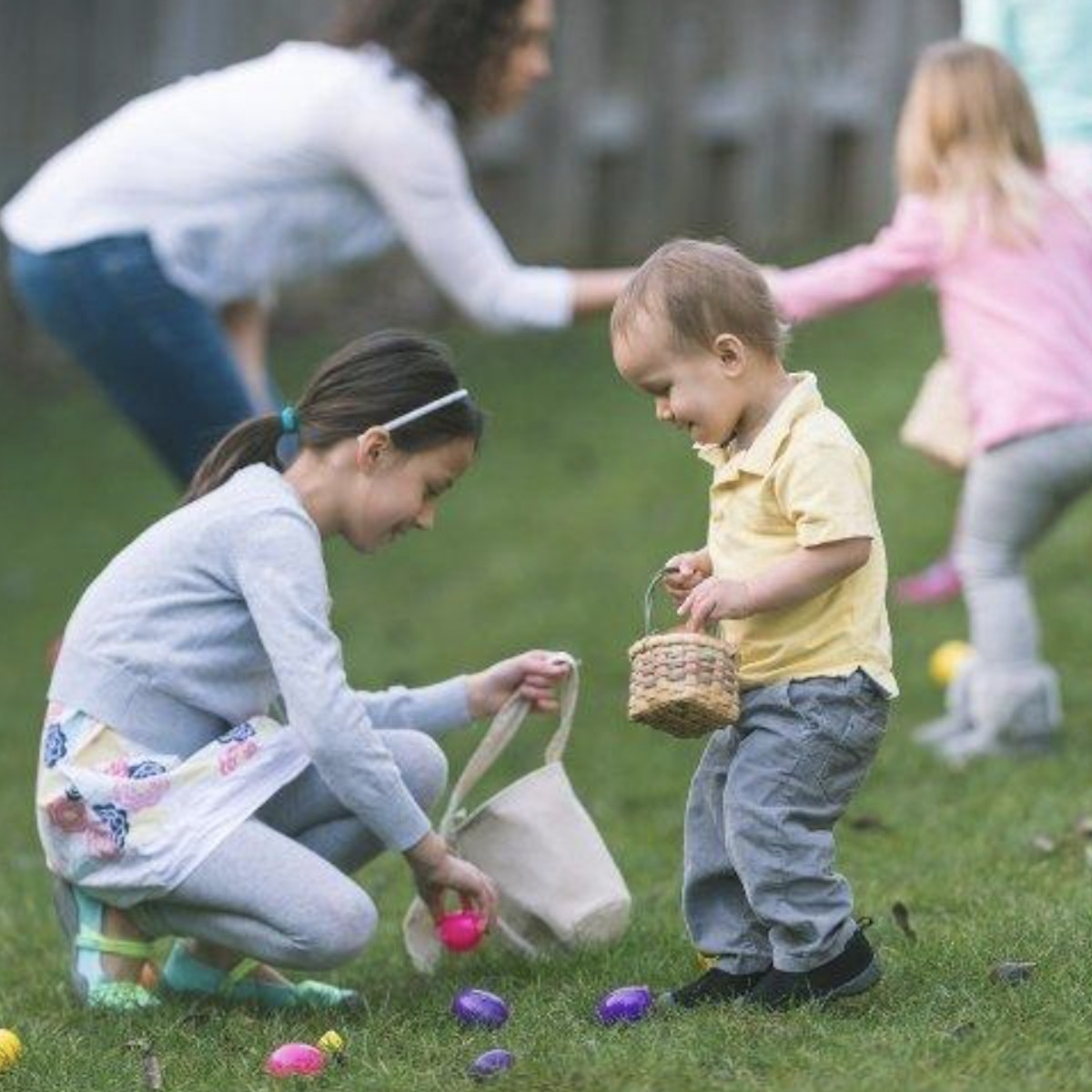
If you have a small yard or courtyard, turn it into an “adventure zone” for 20 to 30 minutes. You can rotate themes so it doesn’t feel the same every day. One day, you might have a nature scavenger hunt. Another day might be for “tiny world” exploration, using a magnifying glass to look for bugs, patterns in bark, or shapes in clouds.
If you live in an apartment or don’t have a yard, you can take the kids for a short walk around the block. Make it a game. Ask them to count how many red cars they see or look for letters of the alphabet on signs. As they move, talk, and pay attention to their surroundings, they unwind from the school day.
4. Put Them in Charge of a Simple Kitchen Job
Many children are full of after-school energy because they’re both hungry and overstimulated. A simple kitchen task helps with both. Instead of asking them to “wait while I cook,” invite them into the process.
For younger kids, keep the jobs short and clear. For older kids, increase responsibility over time. Reading a recipe, measuring, and following steps support math and reading skills without feeling like homework. Moving around the kitchen, lifting, stirring, and carrying also gives them a gentle physical workout. Most importantly, you spend time with them in a productive way, which can reduce attention-seeking behavior later in the evening.
5. Set Up a “Make and Move” Craft Station
Fill a small “make and move” box with simple materials like paper, crayons, tape, string, and a few extras such as balloons or dried beans. Using the items in the box, kids can make paper airplanes, then race them down the hallway. They might also try other ideas, such as creating beanbags out of socks and dried beans, then practice tossing them into a laundry basket. The crafting keeps their hands busy, and when they try out what they made, they naturally get the exercise they need.
6. Give Kids Brief After-School Chores
You can also channel some after-school energy into light household help. Many children enjoy being given a small job that feels important, especially if it connects to the rest of the evening. Younger kids might water a windowsill plant, or carry napkins to the table. Older children can sweep a small area or help tidy shared spaces. These tasks get kids moving around, and they help them feel like they play an important role in the family routine.
7. Create a Calm-Down Corner for the Last 20 Minutes
After the active part of the afternoon, encourage a short reset. Even a few minutes of looking at a book, drawing, or listening to soft music can help children shift gears before dinner or homework. Some days, they will settle easily. Other days, they won’t. That’s normal. As long as the household slows down for a moment, everyone gets a chance to breathe before the evening continues.
Conclusion
As you try different screen-free options, you’ll start to see what actually works for your child. Some children relax best after being outdoors, while others unwind through crafts or a structured sport. You can keep the ideas that help and drop the ones that don’t. Over time, afternoons become easier to manage because you know which activities fit your child and your family’s pace.





Leave a Reply