

A wardrobe packed with clothes should make getting dressed easy, yet many people experience the opposite. They open their closets, move through dozens of shirts, trousers, and dresses, and somehow conclude that nothing works together. The problem is rarely a genuine shortage of clothing.
More often, it comes down to shopping habits. Attractive displays, seasonal trends, and spontaneous purchases encourage us to focus on individual garments rather than complete outfits.
A beautiful jacket might look irresistible in a shop, but its usefulness depends on what you can actually wear with it.
Building a functional wardrobe requires a slightly different approach. By recognising common shopping mistakes and making more deliberate choices, you can create a collection that feels stylish, versatile, and genuinely useful without constantly buying something new.

Jump to:
- Buying Clothes Without Considering Your Existing Accessories
- Choosing Occasionwear That Becomes Part of Your Wardrobe
- Following Trends Without Considering Your Lifestyle
- Ignoring Fit Because the Price Is Attractive
- Buying Too Many Statement Pieces and Too Few Basics
- Shopping Without a Clear Plan for What You Need
Buying Clothes Without Considering Your Existing Accessories
One common shopping mistake is evaluating a garment in isolation. A shirt might look beautiful on its own, but its overall effect depends on the trousers, shoes, jewellery, and accessories you already own.
Before purchasing something new, imagine at least three complete outfits featuring that piece. Consider how different accessories might change its appearance for casual outings, work, or special occasions.
Jewellery is particularly useful for creating variety without replacing clothing. For example, understanding the differences between cuban vs franco chain styles can help shoppers choose necklaces that complement their preferred outfits. Cuban chains introduce a distinctive interlocking pattern, while Franco chains offer a closely woven design that creates a different visual effect.
A simple black top can look entirely different when paired with a substantial gold chain, delicate jewellery, or understated accessories.
Thinking about these combinations before shopping helps you select clothing that works naturally with the pieces you already enjoy wearing.
Choosing Occasionwear That Becomes Part of Your Wardrobe
Special occasions often inspire exciting clothing purchases. Weddings, religious celebrations, formal dinners, and family gatherings provide opportunities to wear elegant designs that reflect personal style.
However, an occasionwear purchase becomes especially valuable when you can imagine enjoying it at several future events.
For shoppers who appreciate coordinated formal clothing, designerchurchsuits.com offers distinctive church suits and elegant occasionwear that can inspire polished looks for celebrations and important gatherings. Carefully selected colours, flattering silhouettes, and complementary accessories allow these outfits to become memorable additions to a thoughtfully planned wardrobe.
When choosing formal clothing, consider which elements can work independently. A tailored jacket might complement a different skirt, while elegant trousers can be styled with several blouses.
Neutral colours provide flexibility, but distinctive shades can be equally versatile when they coordinate with your existing accessories.
The goal is to enjoy beautiful occasionwear while discovering more opportunities to incorporate it into your personal style.
Following Trends Without Considering Your Lifestyle
Fashion trends can introduce fresh ideas, but their usefulness depends on your daily activities. Someone who spends most weekdays in a casual office may have different clothing needs from a person working outdoors or attending frequent formal events.
Before buying a trending garment, consider when you would realistically wear it.
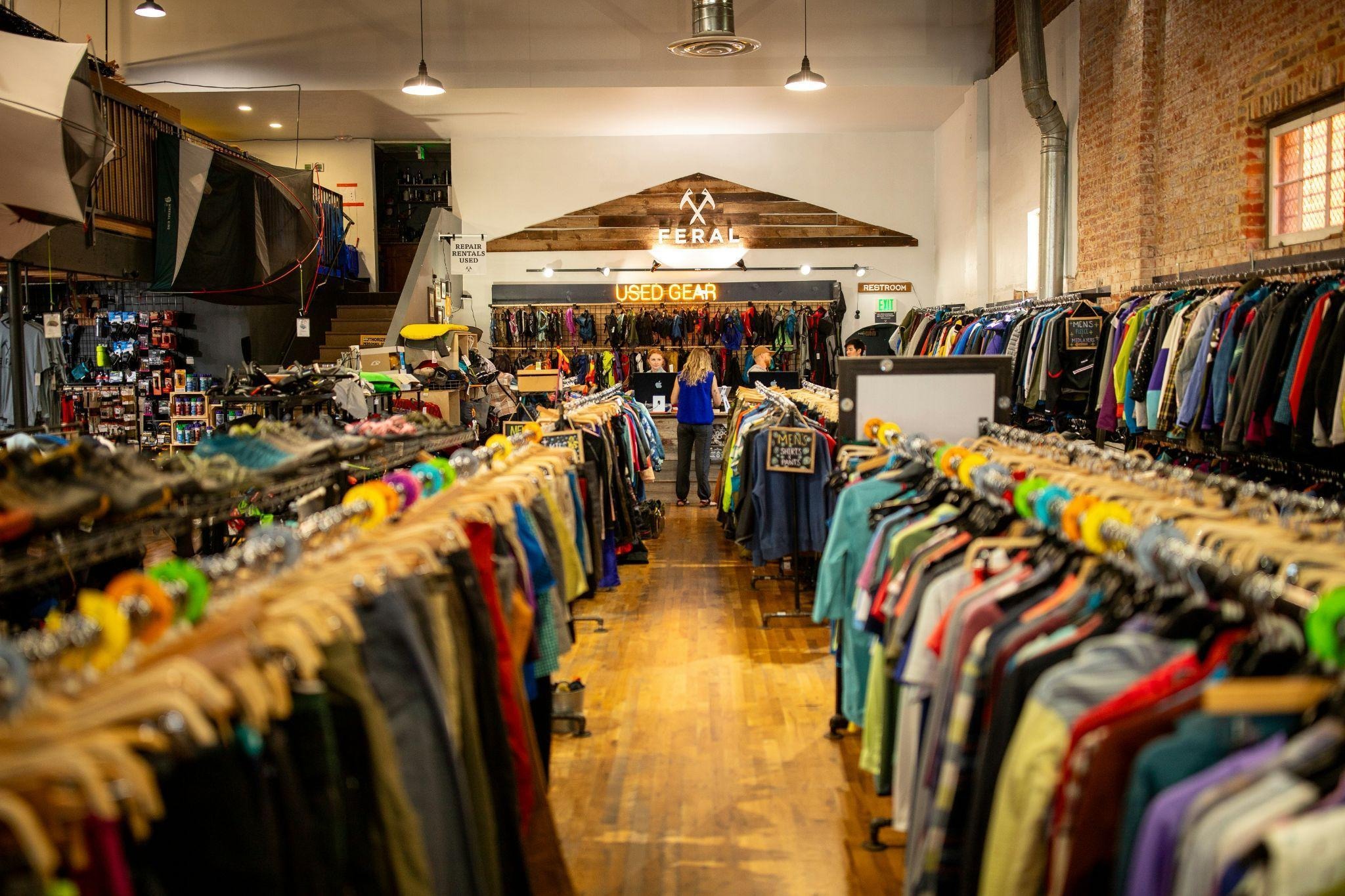
A dramatic oversized coat might create impressive photographs, but a structured everyday jacket could fit your routine more naturally. Similarly, elaborate footwear may suit weekend outings better than a long commute.
This does not mean abandoning fashion experimentation. Instead, choose trends that complement your lifestyle and existing wardrobe.
Try introducing fashionable colours, textures, or silhouettes through individual pieces rather than rebuilding your entire collection each season.
A well-chosen trend should expand your outfit possibilities, giving you something enjoyable to wear in situations you regularly encounter.
Ignoring Fit Because the Price Is Attractive
A generous discount can make clothing tempting, but fit remains one of the most important considerations when deciding whether something deserves space in your wardrobe.
Clothes that sit comfortably across the shoulders, waist, and hips are generally easier to style and more enjoyable to wear.
When shopping, move around rather than evaluating the garment only while standing still. Sit down, raise your arms, and walk a few steps to understand how the fabric behaves.
Pay attention to sleeve length, trouser hems, and proportions. Small alterations can sometimes transform an affordable garment into something that looks beautifully tailored.
It also helps to understand which silhouettes make you feel most confident. Knowing your preferred trouser rise, jacket length, or dress shape makes future shopping decisions faster.
A flattering, comfortable fit is often more valuable than a fashionable label.
Buying Too Many Statement Pieces and Too Few Basics
Statement clothing adds personality, but a wardrobe made almost entirely of bold patterns, unusual shapes, and dramatic colours can be difficult to coordinate.
Versatile basics provide the foundation that allows more distinctive garments to stand out.
Consider building around well-fitting jeans, tailored trousers, plain shirts, comfortable knitwear, and a dependable jacket. Choose colours that work together so individual items can be combined in several ways.
Then introduce personality through printed blouses, textured outerwear, colourful shoes, or interesting accessories.
Try arranging your wardrobe into complete outfits rather than simply grouping garments by category. This reveals which pieces already work together and where a genuinely useful addition might help.
The objective is not a wardrobe without character, but one where your favourite statement pieces have plenty of opportunities to shine.
- Moving Beyond Toys and Gadgetry: The Ultimate BFCM Gifts for Keeping Your Children Physically Active and Enjoying Themselves
- Why Streamlined Systems Make Everyday Work Feel Less Cluttered
- How Often Should You Visit a Dentist in Queens?
- Diminished Value Claim in Florida: What You Can Recover After a Repair




Shopping Without a Clear Plan for What You Need
Impulse purchases often happen because something looks appealing in the moment rather than because it fills a genuine wardrobe need.
Before your next shopping trip, examine the clothing you wear most frequently. Identify which combinations feel comfortable and which items would make those outfits more versatile.
Create a short shopping list based on specific needs, such as tailored trousers that coordinate with several tops or comfortable shoes suitable for different occasions.
Photographing favourite outfits can also help you recognise recurring colours, silhouettes, and styling preferences.
Ultimately, a useful wardrobe is not measured by the number of garments it contains. It is built through thoughtful choices that make getting dressed enjoyable. When every purchase complements your personal style and everyday life, you can create more outfits from fewer pieces and finally enjoy a closet where everything feels worth wearing.





Leave a Reply