

Urban living spaces quickly become overcrowded as families accumulate seasonal gear and plan home updates.
Countertops disappear under gadgets, and spare rooms turn into chaotic drop zones for unused items. Refreshing these spaces requires a clear strategy to regain control over the household footprint.
Temporary off-site units let households reorganize their primary rooms without permanently parting with useful kitchenware or keepsakes.
A structured approach to clearing out rooms helps create breathing room for daily life and upcoming interior projects. Planning ahead removes the chaos from property renovations.

Jump to:
The Silent Struggle of Shared Living Spaces
Domestic messes create quiet friction among family members sharing tight living quarters.
A recent global retail study from Ingka revealed that in 38% of homes, someone is quietly leaving things out and hoping someone else will deal with it. This passive approach turns high-traffic areas into disorganized catch-alls.
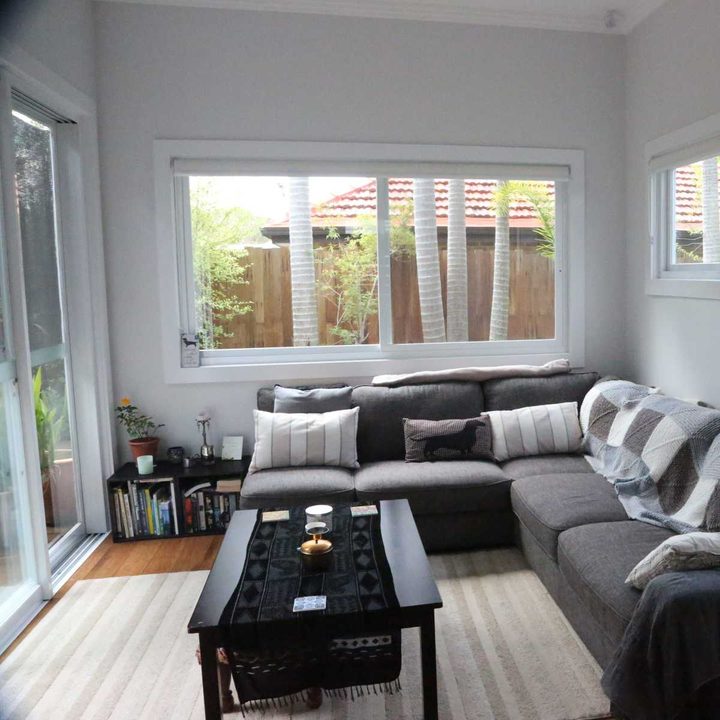
Bedrooms and cooking areas take the brunt of this accumulation. The most common cluttered spaces include children's bedrooms at 33% and spare bedrooms at 25%.
Living rooms and kitchens closely follow at 23% and 20%. Regaining floor space instantly improves the flow of foot traffic.
Tackling the Most Popular Renovation Targets
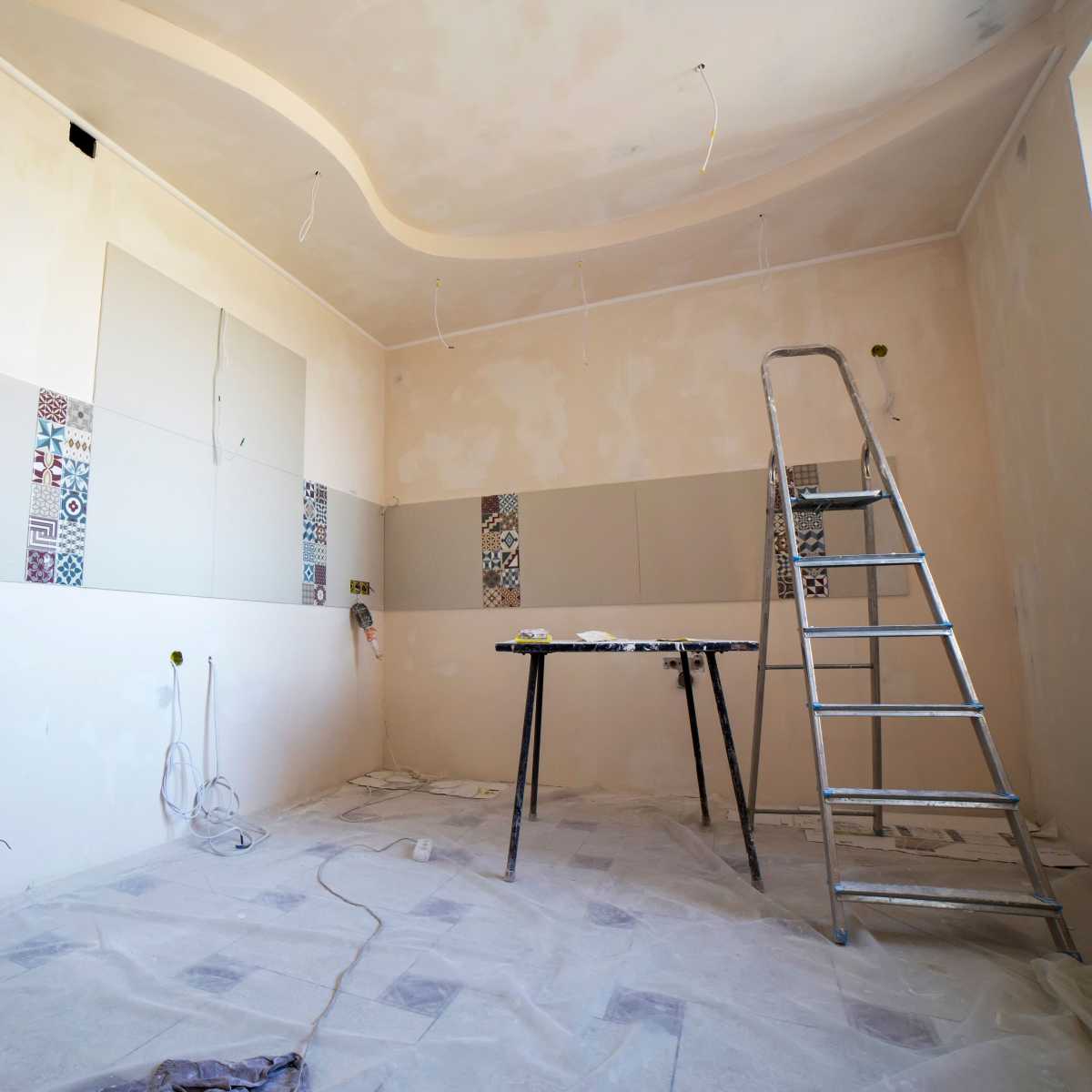
Modernizing certain rooms yields the highest return on investment and daily comfort. Bathrooms, kitchens, and bedrooms were the joint most popular interior projects. Most homeowners chose to tackle these zones in their renovation project.
Properly staging these high-traffic rooms requires moving everyday objects entirely off-site. Your preparation checklist should include:
- Packing up loose pantry items and small appliances
- Dismantling unused spare beds and rolling up rugs
- Boxing fragile decorations and framed wall art
- Clearing out built-in wardrobes and hallway closets
Moving these items out of the house accelerates the demolition and installation phases. Contractors can work much faster when they do not have to navigate around boxes of personal effects.
Flexible Options for Southwest Households
Finding temporary homes for excess belongings requires convenient local logistics.
Many busy urban households rely on flexible self storage in Bristol to keep their bulky possessions secure and out of the way during interior updates.
Ground-floor access and insulated units make it simple to drop off seasonal entertaining gear or protect delicate household items.
Pay-for-the-days-you-use models give residents exact control over their logistics timeline. You only rent the space for the exact duration of your room refresh or organizing sprint.
This targeted approach prevents long-term commitments and keeps the project timeline on track. Moving boxes out of the hallway creates an immediate sense of relief.
Budgeting for Major Room Refresh Projects
Financial planning plays a massive role in successful property updates. A recent report from Hillarys noted that the average UK household spent £43.90 a week improving and maintaining its home in 2025. That figure represented 18.7% of average weekly housing expenditure across all income groups.
Kitchens require some of the most significant financial commitments from homeowners.
Emptying the space before the contractors arrive prevents accidental damage to expensive cookware. Pre-clearing the room saves builders time and keeps labor costs down.
Upgrading Appliances Safely
The desire for advanced culinary technology is driving many layout changes in cooking spaces. The demand for multi-function ovens, induction cooktops, air fryers, and smart refrigerators has risen.
Kitchen upgrades often act as a central part of UK home improvement projects, with appliance purchases bundled directly into those updates.
Storing your older appliances safely is critical if you plan to sell or donate them later. Insulated ground-floor units protect sensitive electronics and compressors from extreme temperature shifts.
Keeping them out of the active construction zone prevents dust from clogging mechanical components. Properly covered gadgets retain their resale value much better.
The Shift Toward Off-Site Organization
Residential users dominate the market for external space solutions across the country.
Many domestic customers use them, citing a lack of space at home as the main reason they store items. People simply own more items than their current floor plans can comfortably hold.
Another storage provider's data confirmed this overwhelming domestic demand.
Freeing up square footage has become a standard part of managing a modern household. Residents prefer keeping their valuables nearby rather than tossing them away.


Regaining control over a crowded house is entirely possible with a bit of logistical planning.
Clearing out countertops and spare rooms instantly reduces daily stress and paves the way for successful interior updates.
Protecting your valuables in off-site units keeps them safe from dust and damage during messy renovations.
Families can enjoy a refreshed, spacious living environment without letting go of the items they still need.
A streamlined home creates a calmer backdrop for everyday routines. Enjoying a tidy kitchen makes cooking a pleasure again.





Leave a Reply