

You know your back is having a bad day when rolling out of bed feels like a complicated gymnastic routine.
Sitting down isn't much better, standing up takes some planning, and bending over to pick up your phone suddenly seems like an unreasonable request.
You can find that dealing with a pars fracture can cause some frustration in everyday life.
A small part of your spine has been damaged, and this may cause pain to interfere with your sleep, work, sport and daily activities.
How can you continue to live your life whilst not causing further damage? Understanding which activities to avoid will help.
Jump to:
- First, Understand What's Happening Inside Your Spine
- Sleeping: Stop Fighting Your Pillow and Find a Better Position
- Sitting: Your Office Chair Isn't Always Your Friend
- Walking and Exercise: Moving Is Good, but Don't Get Carried Away
- Household Chores: Some Tasks Can Wait
- When Can You Finally Return to Normal?
- Make Small Changes and Give Recovery a Chance
First, Understand What's Happening Inside Your Spine
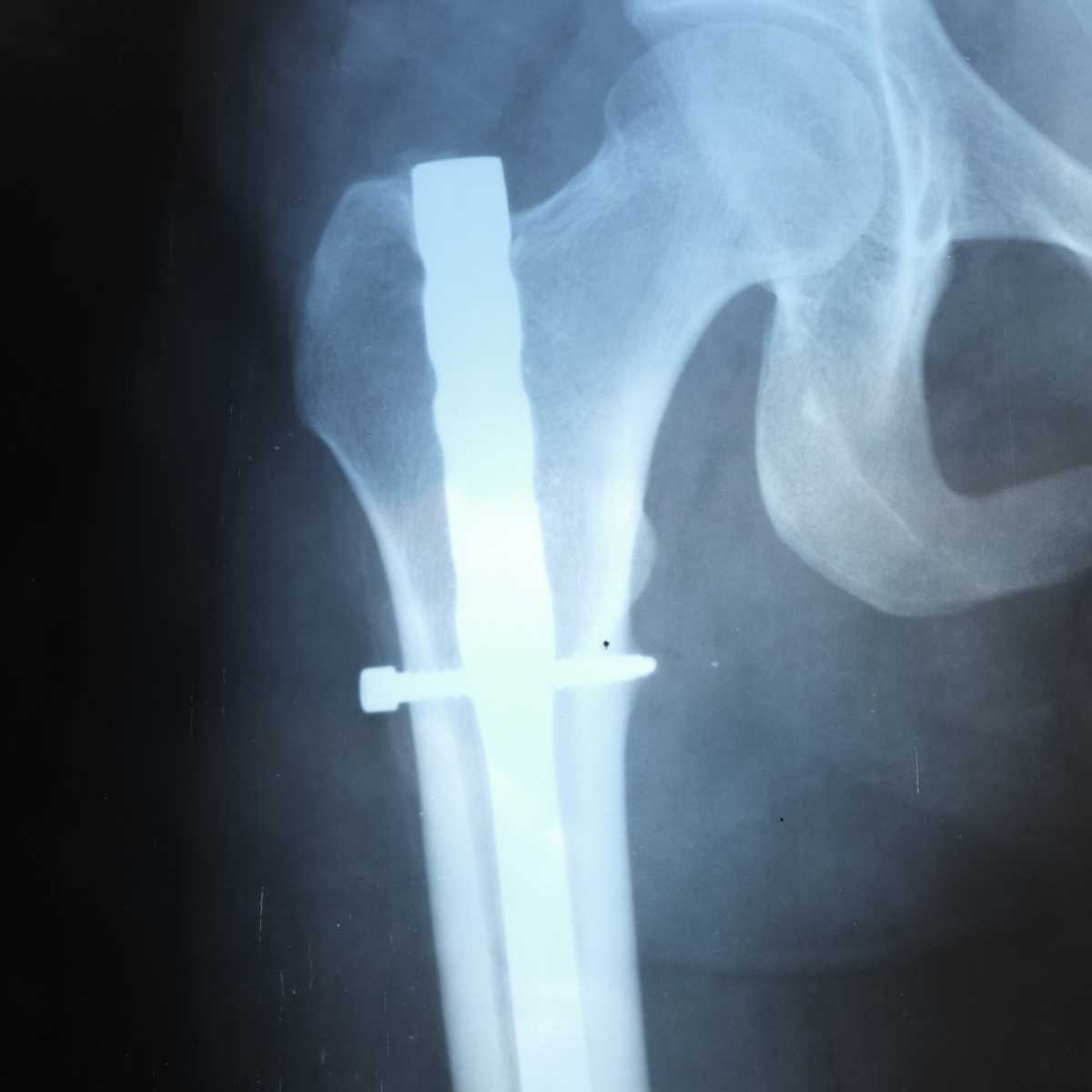
A pars fracture (or pars interarticularis fracture) is caused by a crack or stress injury to a small piece of bone that connects the upper and lower joint facets of a vertebra. This most commonly occurs in the lower back at the L5 vertebra.
These injuries usually occur due to repetitive stress and are not usually caused by trauma. The constant backwards bending, twisting and extension of the spine cause too much pressure on the area.
Gymnasts, footballers and weightlifters can be at higher risk, along with adolescents whose spines are still developing. As this small structure is damaged, performing normal activities can cause discomfort.
Sleeping: Stop Fighting Your Pillow and Find a Better Position
Having pain in your lower back can make it difficult to get a good night's sleep. You might try turning onto your side, and changing your pillow so that you are more comfortable, but still end up back where you started.
Some simple changes may help:
- Try sleeping on your back: Try placing a pillow under your knees.
- Experiment with side sleeping: Place a pillow between your knees to give your hips some support.
- Rethink stomach sleeping: If you're experiencing more discomfort whilst sleeping on your stomach, then try turning onto your side or back.
A supportive mattress and correct pillow positioning may help improve comfort. However, there is no perfect sleeping position for everyone. Listen to your body. If you are regularly experiencing pain at night which is affecting your sleep, talk to your healthcare professional.
Sitting: Your Office Chair Isn't Always Your Friend
Working at a desk for several hours can be surprisingly uncomfortable during recovery. You start answering emails, get absorbed in a project, and suddenly realize you've barely moved all morning.
Your lower back probably isn't impressed. Sitting for long periods can cause stiffness and worsen existing pain. However, you can improve your comfort in your working environment by making a few simple adjustments:
- Sit in a comfortable chair which allows your feet to be flat on the floor.
- Sit so you have a good back support.
- Use lumbar support if it helps make your posture while sitting better.
- Move around regularly rather than remaining seated for extended periods.
- Take short walks if your healthcare professional allows.
Here's something worth remembering: An expensive ergonomic chair won't solve everything if you spend the entire day sitting in it. Regular movement, within your medical restrictions, matters too.
Walking and Exercise: Moving Is Good, but Don't Get Carried Away
A pars fracture doesn't necessarily mean spending weeks on the couch. A gentle walking regime may be suitable for many patients. Build up slowly so that you do not put extra pressure on your symptoms. Start off with short distances and gradually increase your activity.
Too much exercise like running, jumping, lifting heavy objects and backwards bending can cause excessive pressure on your injured area. Depending on how severe your fracture was, you may need to avoid these exercises.
You should follow the advice of your healthcare professional regarding the amount of exercise to do. It is not really a quick fix to jump back into your favourite workout if your spine is not ready.
Household Chores: Some Tasks Can Wait
Unfortunately, you won’t have laundry folding itself, food appearing in your kitchen and household chores disappearing when your back starts hurting. However, there are some activities you should be careful with:
- Lifting heavy items especially when bending and twisting.
- Bending backwards repeatedly.
- High-impact sports and strenuous exercise.
- Twisting suddenly.
- Activities that cause consistent lower back pain.
Try not to combine heavy lifting with twisting of the spine and ask for help with any strenuous tasks. A bit of help now can save you from unnecessary setbacks.
When Can You Finally Return to Normal?
This is often the million-dollar question for active individuals. Unfortunately, there isn't a universal recovery timeline for a pars fracture.
The healing of your injury will depend on how bad the injury was, your general health and your symptoms. As well as modifying your activity, pain relief, physiotherapy and bracing (in some cases) may be required. If symptoms are not improving with suitable non-surgical treatments, surgery may be an option.
Before getting back into sport, strenuous activity or heavy work, make sure you have medical clearance and start slowly. Feeling better is encouraging. It doesn't automatically mean your spine is ready for everything you did before the injury.
Make Small Changes and Give Recovery a Chance
Living with a pars fracture doesn't mean putting your entire life on hold. You just need to take a bit more care with your usual activities whilst your spine heals.
- Behind the Science of Modern Skincare: How Research Labs Study Bioactive Peptides in Cell-Culture Models
- What Are the Key Steps for Starting ABA Therapy in Maryland for Autism?
- A Busy Family’s Guide to Keeping the Plumbing Happy
- How to Grow a Home-Based Business Without Putting Your Family Budget at Risk



Try changing your sleeping position, avoiding long periods of sitting and staying active within your medical limitations. Most importantly, don't push yourself too hard straight away just because your pain is reducing.
Your lower back supports practically everything you do. Giving it a little extra attention now can make everyday life much easier down the road.





Leave a Reply