

It usually starts with a simple comment: “Mom, Dad, my friend says this card is worth something.”
Maybe you have noticed that the card looks different from the others in your child’s binder. Perhaps it has a shiny finish, an unusual symbol, or a design that seems more special.
Suddenly, a hobby that started with ordinary packs and trading becomes a little more interesting.
You do not need to become an expert collector overnight. A few basic checks can help you understand why a card might be valuable and whether it deserves extra care.
As collections grow, parents can also help kids learn the difference between simply owning a rare card and properly preserving one.
Here is a practical way to approach that next step.
Jump to:
Start by Checking What Makes the Card Different
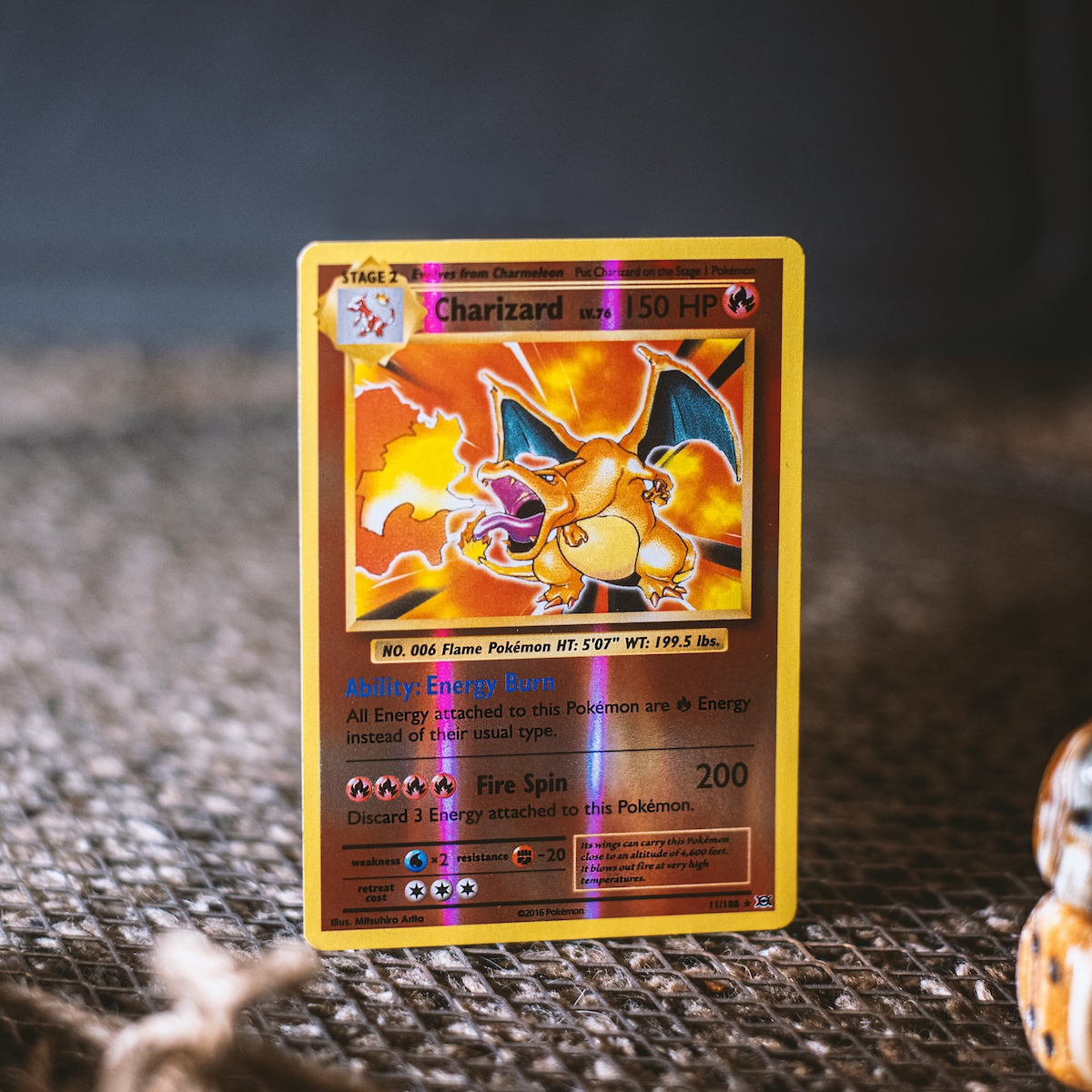
Before assuming a card is valuable, take a closer look. A holographic or foil finish can be one sign that a card is a special version, although being shiny does not automatically make it expensive.
Look for the card's rarity symbol, set information, card number, and other identifying details. These markings can help distinguish a common card from a rarer printing or special release. Compare the card with other cards from the same set if possible.
Condition is another important factor. Check the corners, edges, surface, and overall appearance for scratches, dents, bends, or whitening. A card that has been handled carefully may deserve more attention than one that has spent months loose in a backpack.
For a quick starting point, a card-value app can help identify the card and show recent market information. Just make sure you search for the exact version rather than assuming similar-looking cards have the same value.
Understand What Professional Grading Actually Does
If a card looks particularly rare or valuable, your next question may be whether it should be professionally graded. Grading is essentially a process where a professional company examines the card, authenticates it, evaluates its condition, and assigns a grade according to its standards.
The card is then sealed inside a protective case, commonly called a slab. The case provides a standardised way to identify the card and its grade while protecting the card from direct handling.
That does not mean every interesting card needs to be graded. Families should consider the card's condition, potential value, grading fees, turnaround time, and how important the card is to the collector.
For a child who has pulled a genuinely special card, though, grading can be a useful learning experience. It introduces the idea that collecting is not just about finding cards but also about documenting and preserving them.
Remember That the Protective Case Can Still Get Scratched
One detail that new collectors sometimes overlook is that grading protects the card, but the outside of the graded case can still experience everyday wear.
A slab may be dropped, rubbed against another object, stacked on a hard surface, or carried to a card show.
Over time, the plastic case can pick up scratches and scuffs even when the card inside remains untouched.
That is why some collectors add an additional layer around the graded case.
slab guards are designed to fit around the outside of graded slabs, helping cushion edges and reduce some everyday wear without requiring the card to be removed from its case.
Dragonscale Supplies is one source parents and collectors can explore when looking for this type of protective accessory.
The idea is simple: if the card is important enough to grade, it can make sense to think about protecting the slab as well.
Give Growing Collections a Proper Storage System
One graded card does not require much organisation. Five or ten can still be easy to manage. But once a child becomes seriously interested in collecting, graded cards can accumulate surprisingly quickly.
That is when a dedicated storage solution becomes useful. Rather than leaving slabs scattered across shelves, desks, drawers, or boxes, keeping them together makes the collection easier to organise and handle.
Some families use a slab vault once they have several graded cards. Dedicated slab storage can provide a more secure home for the growing collection while making it easier to keep track of individual cards.
Dragonscale's current vault range includes different capacities, so storage can be matched to the size of a collection.
For parents, this is also an opportunity to teach good habits early: valuable items should have a consistent place where they are protected and easy to find.
Do Not Let the Price Become the Whole Hobby
When a child discovers that one of their cards might be valuable, it is natural for excitement to focus on the price. Parents can help keep the bigger picture in view.
Card values can change, and a card that looks rare is not necessarily worth a large amount.
Market demand, condition, scarcity, popularity, and the exact version can all affect what collectors are willing to pay.
Encourage your child to research cards rather than relying only on what a friend says. Keep notes about particularly important cards, store them carefully, and learn about grading before spending money on it.
Most importantly, remember why the collection started. The characters, artwork, game, trading, and excitement of opening packs are all part of the hobby.
A valuable card can be exciting without turning every card into an investment.
Build Better Collecting Habits From the Start
Helping a child move beyond basic binders and sleeves can be a fun step for the whole family.
You do not need specialist knowledge to get started. Learn to recognise common signs of rarity, check exact card versions, research potential values, and pay attention to condition.
- Parents Are Prioritising Breathable, Sustainable Fabrics For Children's Seasonal Sleepwear
- Our Homemade Christmas Printables, Made With AI: What Worked, What Didn't, and What I'm Saving for Next Year
- At-Home vs. In-Lounge IV Therapy in the Hudson Valley: Which Makes More Sense?
- Can Passengers Pursue Compensation After a Car Accident?




When a card appears genuinely special, understand what professional grading involves before sending it away.
Once graded, remember that the card's protective case can still get scratched and show everyday wear.
As the collection grows, organised storage can make an equally important difference.
A little extra protection and a dedicated place for graded cards can help preserve the collection for years.
The most useful lesson is simple: collect with curiosity, handle cards carefully, and make protection part of the hobby as the collection becomes more valuable or meaningful.





Leave a Reply