

Shared hobbies can bring retirement community residents together by creating natural opportunities to meet, talk, cooperate, and build friendships.
Activities such as gardening, cooking, crafts, music, reading, games, and walking groups can provide people with enjoyable activities while also fostering regular social connections.
These activities can make community life feel more welcoming and help residents develop relationships at their own pace.
Retirement communities bring together people with different backgrounds, careers, interests, and life experiences.
While residents may have different routines, shared hobbies can create a natural way to connect with others and develop friendships.
Southern Cross Care (NSW and ACT) offers residents opportunities to take part in social activities and shared interests, creating regular spaces where people can meet, participate together, and build meaningful connections within their community.
This article explores how shared hobbies can bring retirement community residents together and create meaningful opportunities for connection, friendship, and belonging.
Jump to:
How Different Hobbies Help Residents Connect
Gardening Creates Natural Connections
Gardening is an activity that can suit people with different levels of experience. Residents can share advice about plants, care for gardens, grow vegetables, or simply enjoy outdoor spaces together.
A community garden also creates a shared project. Residents may work toward a common goal while having informal conversations and getting to know one another.
Cooking Brings People Around the Same Table
Food can be a simple way to encourage social interaction. Cooking groups can allow residents to exchange recipes, prepare meals together, or introduce others to favorite dishes.
Shared meals extend the social experience beyond the act of cooking. Residents may continue conversations around the table and develop regular dining routines with friends.
Creative Activities Encourage Conversation
Painting, drawing, knitting, sewing, pottery, and other creative hobbies provide opportunities for residents to work alongside one another. People do not have to have the same skill level to participate.
Beginners can learn from more experienced residents, while those with established skills can share techniques and ideas.
Reading Groups Create Regular Gatherings
Book clubs and reading groups encourage discussion about stories, authors, history, and different perspectives. Regular meetings provide a predictable social activity that residents can look forward to.
Even when participants have different opinions about a book, the discussion can provide an enjoyable way to exchange ideas and learn more about one another.
Music Can Connect Different Generations and Interests
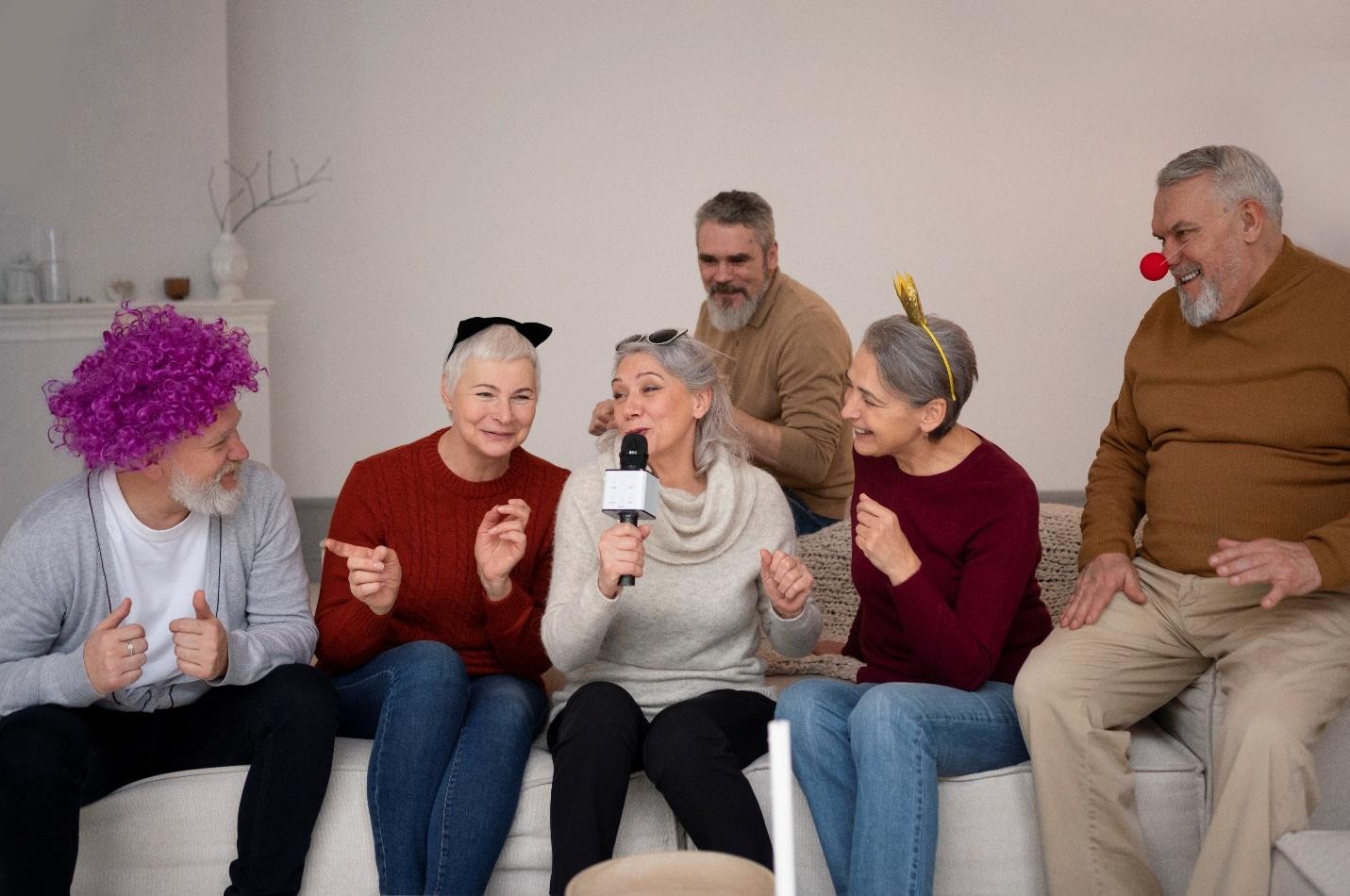
Music can be another powerful shared interest. Residents may participate in singing groups, listen to performances, learn instruments, or share favorite songs and memories.
Music-related activities encourage participation from people who might not be interested in traditional group activities.
They can also create opportunities for residents to share experiences from different periods of their lives.
Games Encourage Friendly Interaction
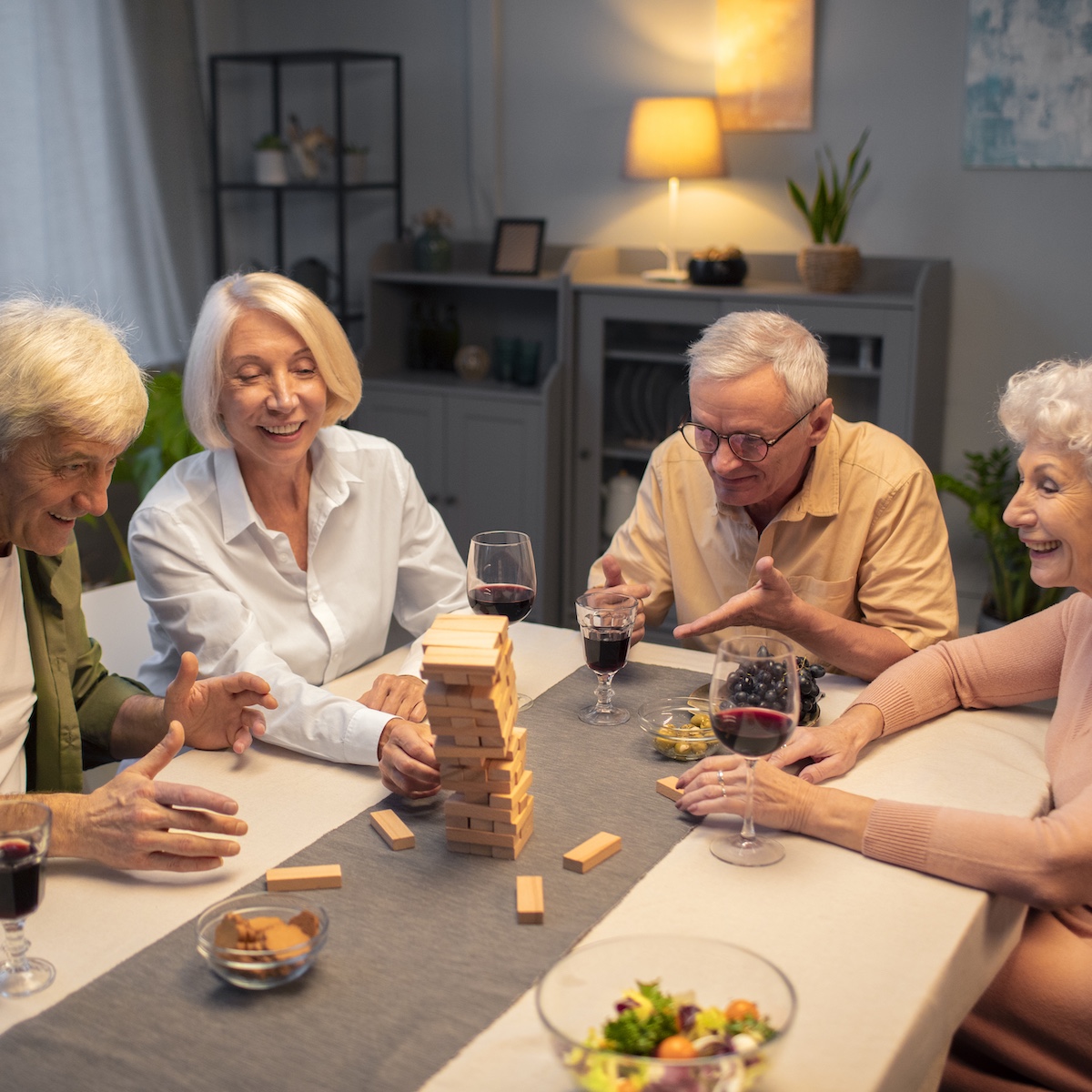
Board games, cards, puzzles, and other group games create regular opportunities for residents to spend time together. These activities can be particularly useful because they provide an easy structure for social interaction.
Residents can form small groups around favorite games and gradually develop friendships through repeated participation.
Walking Groups Combine Activity and Social Time
Walking groups combine gentle physical activity with conversation. Residents can walk around community grounds or other suitable areas while spending time with neighbors.
The social aspect can make regular movement more enjoyable. Participants can also encourage one another to continue attending and staying active.
Hobbies Can Help New Residents Settle In
Moving into a retirement community can involve adjusting to a new environment and meeting unfamiliar people. Shared hobbies can make this transition easier by giving new residents a reason to participate in community life.
Joining an activity does not require an immediate close friendship. Repeated contact can allow relationships to develop naturally over time.
- Parents Are Prioritising Breathable, Sustainable Fabrics For Children's Seasonal Sleepwear
- Our Homemade Christmas Printables, Made With AI: What Worked, What Didn't, and What I'm Saving for Next Year
- At-Home vs. In-Lounge IV Therapy in the Hudson Valley: Which Makes More Sense?
- Can Passengers Pursue Compensation After a Car Accident?




Everyone Can Participate Differently
Not every resident will want to join large group activities. Some may prefer smaller gatherings, while others may simply enjoy watching or helping with an activity.
Providing different types of hobbies allows residents to choose activities that match their interests, abilities, and comfort levels. The goal is to create opportunities for connection without making participation feel compulsory.
Key Takeaways
- Shared hobbies create natural opportunities for residents to meet and socialize.
- Gardening and cooking can turn individual interests into group activities.
- Creative hobbies provide opportunities to learn and share skills.
- Book clubs and music groups encourage conversation and participation.
- Games and walking groups can combine recreation with social interaction.
- Regular activities can help new residents become familiar with their community.
- Offering different hobbies allows residents to choose activities that suit their interests and abilities.





Leave a Reply