

A polished home doesn't have to be an expensive home; it's more about some other features.
Sophistication is often gained through care and attention to detail, uniformity of proportions, choice of materials and integration between the elements. Windows occupy a lot of visual space and are, therefore, highly important indoors.
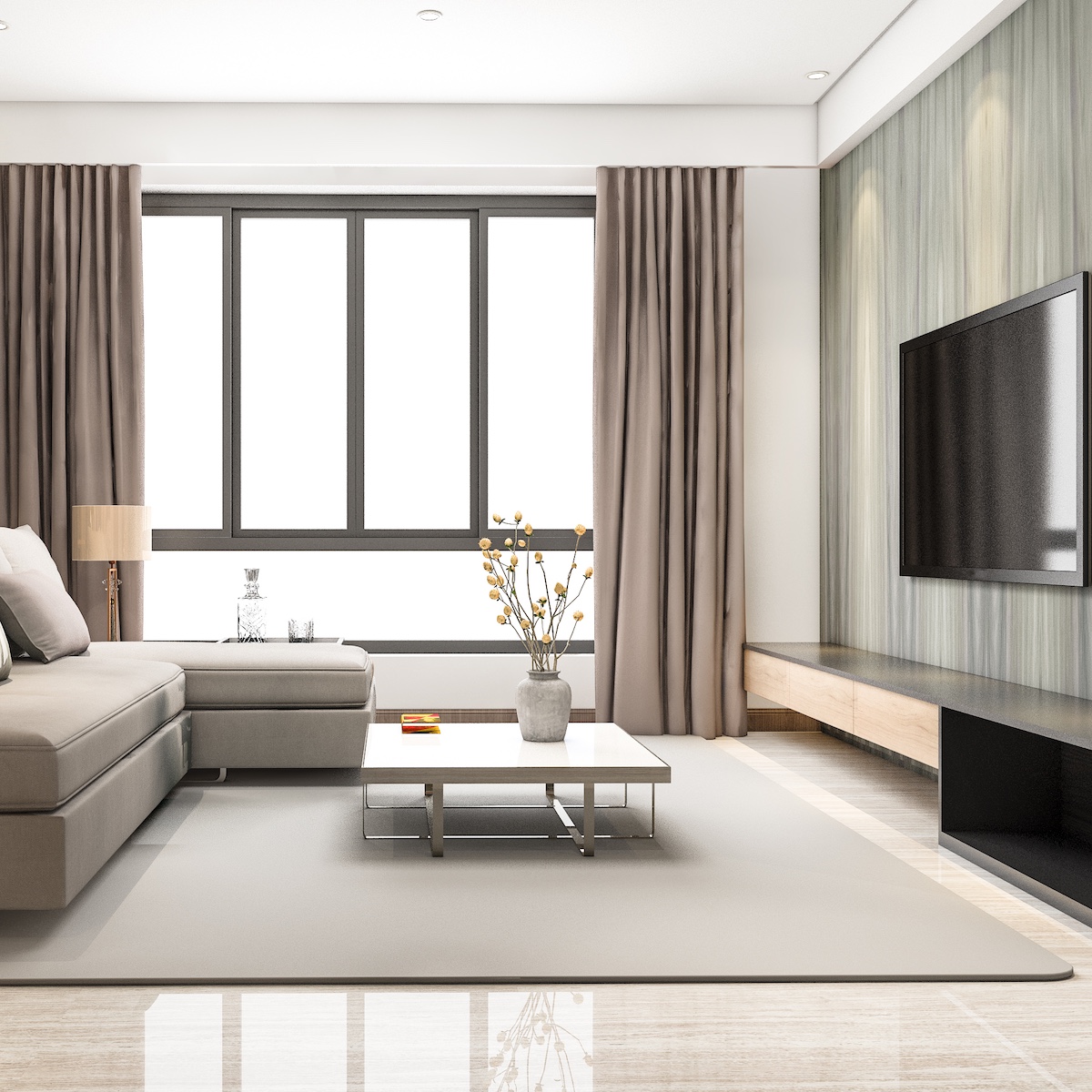
With the right Window Treatments, you can accentuate these architectural features and incorporate structure, softness and refinement.
When they fit the right color, fabric, size and location in the room they are used in, they can add a sense of purpose, professional organization and completion to a plain room.
Jump to:
- Establishing a Refined Foundation for Interior Design
- Framing Architecture With Greater Precision
- Building Harmony Through a Controlled Color Palette
- Selecting Fabrics That Communicate Quality
- Achieving Better Proportions Through Accurate Sizing
- Details That Create a Professionally Finished Effect
- Understanding How Different Choices Shape the Finish
- Connecting Separate Rooms With Visual Consistency
- Balancing Decorative Impact With Restraint
- Refining the Appearance of Large Glass Areas
- Maintaining Elegance Through Practical Function
- Preserving a Clean Appearance With Proper Care
- FAQs
- Creating an Interior That Feels Intentionally Finished
Establishing a Refined Foundation for Interior Design
A solid visual base is essential to any elegant interior. Furniture, walls, floors and windows should look connected, rather than independently decorated.
An easy way to build this base is to use window coverings to set boundaries around windows and create a cohesive design scheme throughout the space.
A custom-made curtain, a precisely fitted shade, or a simple blind can enhance the lines of the architecture without taking a lot of attention.
When these are used to echo the size and design of the room, they help to impart a sense of order and orderliness to the whole room.
Framing Architecture With Greater Precision
Windows are permanent features of architecture, but can have a very different impact when framed. Coverings can be used to enhance the height of ceilings, highlight symmetrical designs or have better proportions for other oddly shaped openings when used appropriately.
Curtains and drapes should dangle from the frame just above the floor to make the room's height look bigger. Narrow windows can be enlivened by wider panels.
Carefully designed window treatment can be used to complement the architecture of the window, so it looks more natural and in harmony with the moldings, dimensions and structure surrounding the window.
Building Harmony Through a Controlled Color Palette
A nice interior will have no more than a little color in a space instead of competing colors over-colorizing all the surfaces. Window coverings may be utilized to help strengthen a colour scheme in a classy, subtle approach.
The warm ivory, gray and slightly muted taupe and natural beige tones are a great choice for modern homes, and the darker tones can add contrast.
There are eels that don't need to be matched or matched-to-a-T.No copying or pasting wall or furniture.
A related colour can be used to give additional depth and make the windows feel like they are integrated into the room, whilst also being interesting.
Selecting Fabrics That Communicate Quality
A room's fabric selection can really influence the ambiance it projects, so it can appear casual, luxurious, traditional, or contemporary.
The interesting drape and texture of the fabrics will give a more thoughtful appearance than overly stiff or overly light.
Linen mixes can give a simple yet sophisticated appearance with fabrics that have a velvet texture and can add richness and depth. For a more streamlined interior, smooth woven materials might work well.
High-quality window treatments should frame the window to fit and coordinate with the interior of the rest of the room's upholstery, rugs and soft decorative items to create a sense of material unity across the room.
Achieving Better Proportions Through Accurate Sizing
It's easy to see how an otherwise grand interior can fall apart with the wrong dimensions. Failing to keep the curtains above the floor, narrowing panels to just cover a window, or leaving a shade open to create unappealing gaps can give the impression that curtains are unfinished.
Precise measurements are used to ensure proper relationship of the covering to the window and to the wall around it. Long panels tend to make for a longer vertical line, and the width of fabric will create a fuller and more purposeful look.
Proper sizing also enhances performance, ensuring that openings, closures, and adjustments are easy to make while maintaining appealing proportions and clean lines.
Details That Create a Professionally Finished Effect
The details in small design elements can make the difference between an average installation and a professionally designed one.
Don't pick and choose elements; you should think in terms of the whole picture. Other finishing aspects to be taken into account are:
- Install curtain rods evenly on the same window.
- When selecting hardware, consider it with materials found in the surrounding area.
- Give enough cloth, for natural fullness and freedom of movement.
- Keep all spaces the same length when they are connected.
- Match undertones of walls, furniture and flooring
- Cover away any inessential cords and exposed working components.
- Choose the right headings for the interior architecture.
- Limit decorative elements for a more simple look
Understanding How Different Choices Shape the Finish
When applied to the same interior, varying style of coverings will result in distinct impressions.
Homeowners can choose the one that best fits their desired level of formality and visual structure by comparing its characteristics.
| Covering Style | Visual Character | Best Design Contribution | Ideal Setting |
| Full-length curtains | Soft and graceful | Adds height and movement | Living and dining rooms |
| Roman shades | Tailored and refined | Creates structured softness | Bedrooms and studies |
| Roller shades | Minimal and precise | Maintains clean lines | Contemporary interiors |
| Wooden blinds | Warm and structured | Introduces natural detail | Offices and family rooms |
| Sheer panels | Light and delicate | Softens daylight | Bright social spaces |
Connecting Separate Rooms With Visual Consistency
Open floor plans or rooms that are connected, provide a level of visual continuity. If the interior is layered with fully different layering in all of the visible areas, it can create a confusing space, especially if several windows are clear at the same time.
Every room doesn't need to be exactly the same. Using coordinating hardware finishes, repeat fabrics or coordinating color can create a cohesive link without all of the rooms looking the same.
The use of measuring repetition gives a sense of visual rhythm throughout the property, and adds to the organized and cohesive look that is often synonymous with professionally designed interiors.
Balancing Decorative Impact With Restraint
Very refined interiors typically do not have too many details, since too much decoration can break the visual hierarchy of a room.
For furniture, artwork and rugs that are already bold, simpler window coverings might be needed to create balance.
In contrast, a simple interior allows for a delicate texture or a subtle pattern around the windows. This is meant to identify the focus of visual attention.
A clean Window Treatment will complement the other decorative elements and add texture, interest and control to the overall composition without overpowering it.
Refining the Appearance of Large Glass Areas
An impressive feature of the architecture can be large windows or sliding glass windows, but they must be treated carefully. The covering may appear disconnected if it is too small, or it can become too oppressive if too large and heavy.
A more proportionate solution can be achieved with precisely fitted shades, ceiling mounted tracks or wide curtain panels.
Continuous coverings can also reduce the appearance of breaks in expanses of glass.
Considering the width and height of the opening, homeowners can retain the architectural effect and provide plenty of softness and structure for an elegant effect.
Maintaining Elegance Through Practical Function
Design wise, the interior should be comfortable and functional for everyday use with a touch of a polish.
Beautiful coverings which are hard to operate or have low suitability and privacy value are not pretty coverings.
The best window treatments are not only elegant, but they are also user-friendly. Adjustable systems can control daylighting, and privacy can be achieved on demand with appropriate fabrics.
Frequently used windows are particularly important because of their ease of use. These practical elements have been integrated into the original design, thereby maintaining elegance while eliminating additional burdens on the family.
Preserving a Clean Appearance With Proper Care
Even lovely designs of coverings need proper care to keep them refined. Over time, dust, wrinkles, uneven folds, broken hardware, and stained fabrics can create a disheveled look to an installation.
The materials chosen should thus be based on the need for cleaning, such as in kitchens, high usage areas and homes with pets. Maintenance of light equipment can help maintain its texture and performance of hardware.
Hanging curtains even, blinds to be aligned and operating mechanisms to be smooth. Regular maintenance allows to preserve the appearance and service life of the installation.
FAQs
They do not have to be identical. Undertones or mutual colors can be used to add depth and size to a simple, beautiful tone.
Yes. When properly measured, floor-length curtains can add to the vertical lines and add a sense of custom and refinement when used right.
Depending on the room's designs and functions, linen blends, quality woven fabrics, velvet-like materials, or even the sheers may work well.
Yes. Finishing details include some rods, tracks, brackets and rings; coordination can help create a more harmonious visual look when working with other interior finishes.
Absolutely. Luxury doesn't have to be enlarged. An extremely refined effect can be achieved through clean lines, quality materials, accurate balance and careful installation.
Creating an Interior That Feels Intentionally Finished
A great home is one that conveys attention to detail but is not over-inflated.
The scale of windows plays a significant role in this effect, as they draw the eye and play a part in lighting, size and harmony.
- Parents Are Prioritising Breathable, Sustainable Fabrics For Children's Seasonal Sleepwear
- Our Homemade Christmas Printables, Made With AI: What Worked, What Didn't, and What I'm Saving for Next Year
- At-Home vs. In-Lounge IV Therapy in the Hudson Valley: Which Makes More Sense?
- Can Passengers Pursue Compensation After a Car Accident?




Choosing appropriate fabric, correct sizing, matching hardware, and proper operating methods can all help these architectural elements blend into an interior rather than stand as standalone openings.
If all your decisions relate to the surrounding furniture, finishes, and architecture, the result is intentional and refined.
Finally, window styling is a critical element that makes a home look complete when done properly.





Leave a Reply