

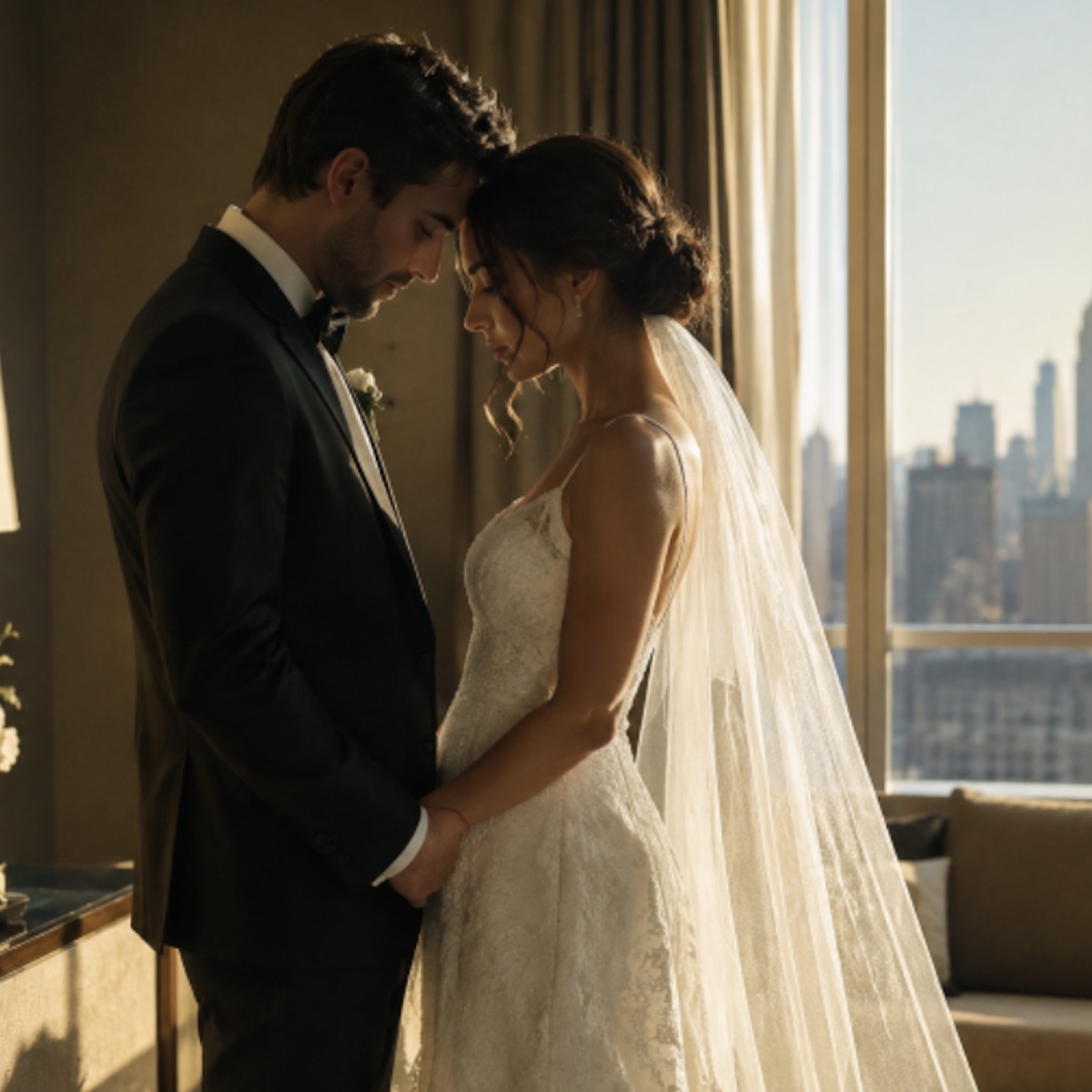
A New York City wedding can move from a hotel suite to a ceremony, portraits, a cocktail hour, and a late-night reception in only a few hours.
A thoughtful plan with Adam Gorham Films helps couples protect the laughter, movement, voices, and unscripted interactions that make a wedding film feel personal rather than rushed.
The best timeline does not turn a celebration into a production set. Instead, it gives every vendor enough clarity to work efficiently while leaving the couple free to stay present with family and friends.
Start with the fixed events, then build realistic travel, portrait, audio, and transition time around them.
Jump to:
- Why a Wedding Film Timeline Needs More Than Start and End Times
- Start With the Ceremony Time
- Build the Day Around Location Changes
- Plan Getting-Ready Coverage
- Choose Between a First Look and a Traditional Schedule
- Protect the Best Light for Portraits and City Scenes
- Account for Audio, Not Just Images
- Include New York City Permit and Location Checks
- Plan Outdoor Scenes With Park Rules in Mind
- Create One Shared Wedding Day Timeline
- Build In Buffers Without Making the Day Feel Slow
- Coordinate the Photo and Video Teams
- Sample Wedding Film Timeline
- Final Timeline Checklist
- Conclusion
Why a Wedding Film Timeline Needs More Than Start and End Times
Video records details that still images cannot fully convey: a parent's toast, the sound of the room after a ceremony, a hand squeeze before an entrance, or the reaction to a surprise performance.
A five-minute delay during hair and makeup can lead to a delayed departure, a shorter portrait window, and less time to set up microphones before the ceremony.
The timeline should identify priorities early, so a small adjustment does not cost a meaningful moment later.
Start With the Ceremony Time
Set the ceremony start time and expected length first. Then work backward to schedule getting ready, first-look decisions, portraits, transportation, and vendor arrivals.
Include every immovable commitment, such as a religious service, venue access time, shuttle pickup, or reception room opening.
Also, allow guests time to arrive, find their seats, and move between spaces.
Build the Day Around Location Changes
List every address, including hotel rooms, homes, ceremony venues, portrait sites, and reception spaces.
A route that appears short on a map may still require time for traffic, curbside unloading, security desks, elevators, walking through large venues, and equipment movement.
Assign one person, often the planner or venue coordinator, to confirm that each space is ready before the couple arrives.
Plan Getting-Ready Coverage
Reserve time for details, hair and makeup, dressing, letters, gifts, family reactions, and a quiet pause before departure.
Rooms with natural light, clear surfaces, and enough space for the couple and the creative team are usually easier to film in.
If partners are preparing separately, provide both addresses and specify which heirlooms, invitations, flowers, or cultural items should be documented.
Choose Between a First Look and a Traditional Schedule
First Look Timeline
A first look lets the couple complete portraits, wedding party footage, and some family groupings before the ceremony.
It can create more time during cocktail hour and is especially useful when the ceremony and reception are in different parts of the city.
Plan a private location and enough time for the couple to settle into the moment without an audience.
Traditional Timeline
A traditional schedule keeps the couple apart until the ceremony, which may be important for personal, cultural, or religious reasons.
In that case, protect a longer post-ceremony portrait block, and be realistic about how much of the cocktail hour the couple may miss.
Sunset timing and transportation should be considered before finalizing this approach.
Protect the Best Light for Portraits and City Scenes
Check sunrise and sunset for the wedding date, then choose a portrait window that suits the location.
Streets, rooftops, waterfronts, parks, and landmark-adjacent areas can all look different depending on shade, cloud cover, and the direction of the light.
Keep covered walkways, hotel interiors, and architectural spaces in reserve for rain, wind, or heavy crowds.
Account for Audio, Not Just Images
Mark every moment where sound matters: vows, readings, letters, live music, speeches, and cultural traditions. Confirm who controls the ceremony sound system and whether a clean audio feed is available.
The video team also needs time to set up microphones, test the recorders, replace batteries, and prepare backups. Let them know about surprise speakers or performances before the wedding day.
Include New York City Permit and Location Checks
Public-space plans deserve an early review. The City explains that a film permit is required for activities involving factors such as exclusive use of City property, production vehicles, or equipment beyond handheld items and a tripod.
Confirm who manages the exact location, especially when a conservancy, a state agency, or a private venue operates the place.
Plan Outdoor Scenes With Park Rules in Mind
For park portraits, review filming and photography rules in NYC Parks before committing to a location.
Public access must be respected, and additional approvals may apply when plans include lighting, drones, generators, vehicle access, crowd control, or restricted space. Always choose an indoor or covered alternative.
Create One Shared Wedding Day Timeline
- Anchor the ceremony, cocktail hour, reception opening, speeches, dances, cake cutting, and exit.
- Add vendor arrival windows, room access, transportation, meals, and portrait blocks.
- Include full addresses, contact names, and a family point person who can answer quick questions.
- Send one final version to the core team before wedding week.
Build In Buffers Without Making the Day Feel Slow
Add short cushions between major events rather than scheduling every minute. Flexible time can accommodate a late elevator, a change in weather, or a wardrobe adjustment.
It also protects time for water, meals, restroom breaks, and a few private minutes together.
These pauses often create the relaxed expressions and candid interactions that give a wedding film emotional depth.
Coordinate the Photo and Video Teams
Photographers and videographers should receive the same timeline and discuss close-access moments in advance.
Family portraits, entrances, first dances, and tight hotel rooms require a clear plan, so neither team blocks the other or distracts the couple.
If timing changes, the planner should communicate the update through one agreed-upon point person.
Sample Wedding Film Timeline
- 12:00 p.m.: Details and getting-ready coverage begin.
- 2:00 p.m.: First look, family reactions, and portraits.
- 3:30 p.m.: Travel and venue transition.
- 4:00 p.m.: Ceremony begins.
- 5:15 p.m.: Cocktail hour, guest interactions, and reception details.
- 6:15 p.m.: Entrance and dinner service.
- 7:15 p.m.: Toasts, dances, and open dancing.
- 9:30 p.m.: Night portraits, final guest footage, or a planned exit.
Final Timeline Checklist
- Every location has a full address, access instructions, and a realistic travel time.
- Audio moments, speeches, dances, readings, and traditions are included.
- Permits, location approvals, and weather alternatives have been considered.
- The couple has enough space to enjoy the celebration without feeling rushed.
- Parents Are Prioritising Breathable, Sustainable Fabrics For Children's Seasonal Sleepwear
- Our Homemade Christmas Printables, Made With AI: What Worked, What Didn't, and What I'm Saving for Next Year
- At-Home vs. In-Lounge IV Therapy in the Hudson Valley: Which Makes More Sense?
- Can Passengers Pursue Compensation After a Car Accident?




Conclusion
A strong wedding film timeline provides structure to a New York City celebration without taking away its energy.
By planning around fixed events, location changes, light, audio, and useful buffers, couples can preserve the full story of the day while remaining present for the people and moments that matter most.
It can also help the filming team anticipate transitions, prepare for important speeches or vows, and capture candid interactions without making the schedule feel overly rigid.
Allowing extra time for traffic, weather changes, getting ready, portraits, and movement between venues can reduce unnecessary pressure when plans shift.
A thoughtful timeline should leave room for both planned events and unscripted moments, creating a natural flow that reflects the pace and personality of the celebration.





Leave a Reply