

You probably know the pattern. You buy vitamins with serious intentions, promise yourself better sleep, and start reading labels like you’re cramming for finals.
Then real life barges in. Wellness turns into a stack of unopened supplements, half-used planners, and a vague goal called “doing better.”
The bigger issue isn’t motivation. It’s friction. Modern health routines often ask you to think like a researcher, shop like a chemist, and plan like a project manager, all before breakfast.
Jump to:
- The hidden reason healthy routines fall apart
- Why preparedness has entered the wellness conversation
- The new consumer mindset: less hype, more function
- What a usable home wellness setup actually looks like
- Wellness brands now compete on trust, not just ingredients
- The lifestyle lesson: make health easier before you make it perfect
The hidden reason healthy routines fall apart
Most wellness habits don’t fail because you don’t care. They fail because the system around them is messy.
You’re expected to compare ingredients, decode marketing claims, and figure out what belongs in your cabinet for immune support, gut health, sleep, or emergency preparedness. That’s a lot of mental load for something that’s supposed to make you feel better, not more overwhelmed.
A simple routine usually beats an ambitious one. If taking care of yourself requires five tabs open, three conflicting opinions, and a shipping delay, it starts to feel less like self-care and more like unpaid admin work.
A smarter approach often includes:
- Fewer products with clearer purposes
- Reliable access when you need a refill
- Straightforward information without wellness theater
- Practical options for both everyday care and unexpected situations
That last point matters more than people admit. Plenty of health habits look great on a Sunday afternoon and disappear by Wednesday.
Why preparedness has entered the wellness conversation
A few years ago, “wellness” mostly meant diet trends, fitness plans, and getting enough water. Now it also includes readiness.
You’ve probably noticed the shift. People want household basics in place before a problem lands on their doorstep. That doesn’t mean panic-buying or turning your bathroom cabinet into a bunker. It means recognizing that health isn’t only about optimization. It’s also about resilience.
That broader mindset helps explain the appeal of companies that combine everyday wellness tools with practical medical preparedness. Melaleuca: The Wellness Company sits in that space, offering health-focused products and services built around prevention, support, and readiness.
The interesting part isn’t just the catalog. It’s the philosophy behind it. Many consumers are done with wellness that feels decorative. They want options that fit real life, including sick days, travel issues, seasonal bugs, and the occasional moment when your body decides to be dramatic at the worst possible time.
The new consumer mindset: less hype, more function
People are getting sharper about what they buy for their health. Flashy branding still grabs attention, but long-term trust usually comes from usefulness.
You can see this in shopping behavior. More buyers are looking for products that solve clear problems rather than making vague promises about “supporting your journey.” That phrase has done enough cardio already.
Function-first wellness tends to win because it answers practical questions:
- What is this for?
- When would you use it?
- Is it easy to keep on hand?
- Does it fit into daily life without becoming another task?
This shift also changes how brands are judged. Clean design and feel-good messaging may spark interest, but consistency, transparency, and relevance keep people coming back.
When a wellness brand recognizes that you’re balancing school, work, family schedules, and a phone full of reminders, it feels more believable. You don’t need a fantasy routine. You need systems that still work when life gets noisy.
What a usable home wellness setup actually looks like
A realistic wellness setup doesn’t need to be expensive or huge. It needs to be intentional.
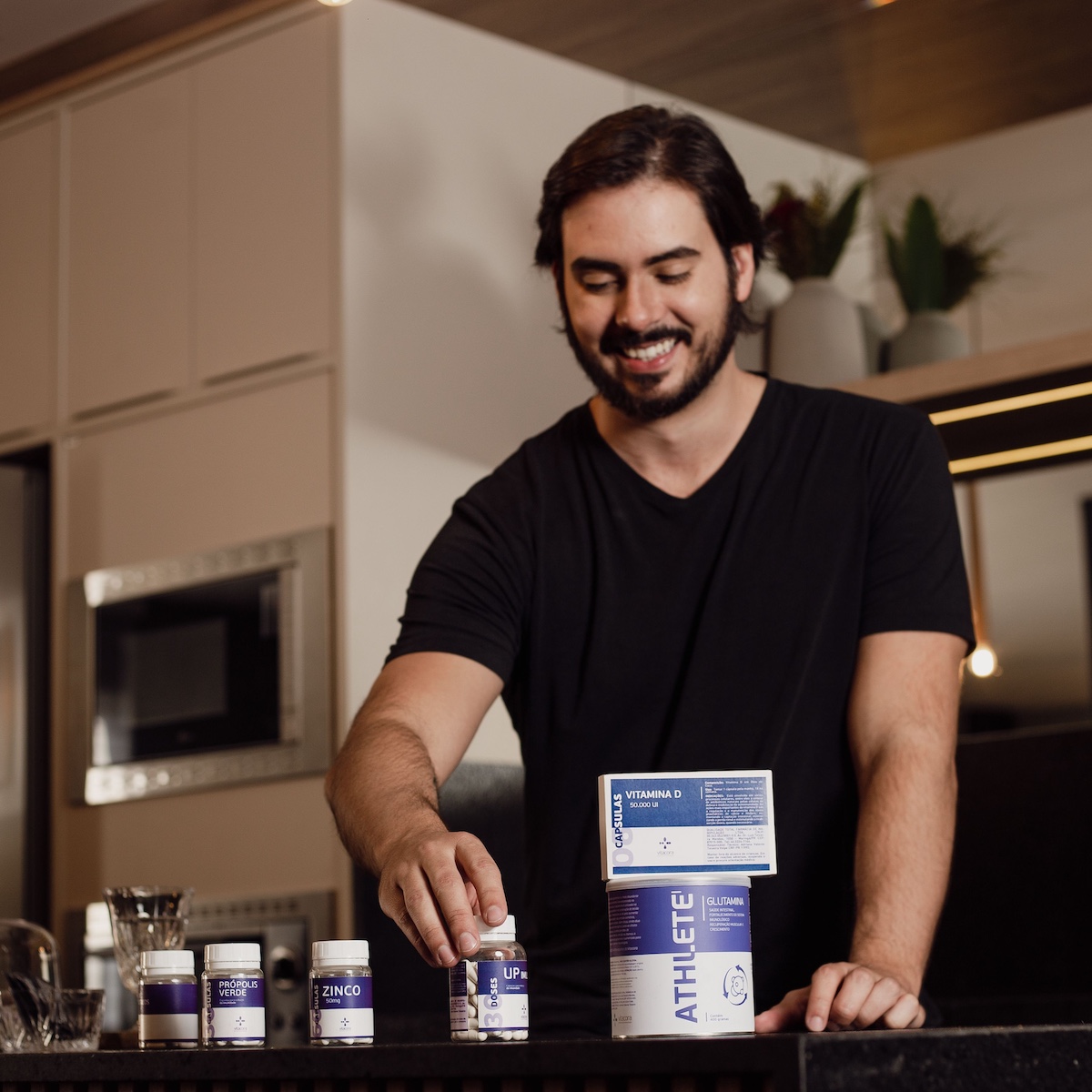
Think about the difference between a cluttered drawer full of random pills and a small, organized group of items you actually understand. One is a guilt pile. The other is useful.
A good setup usually covers a few zones:
- Daily support, such as vitamins or general wellness essentials
- Short-term relief for common issues like sleep trouble or stress
- Household preparedness for travel, seasonal illness, or urgent situations
- Easy reordering so basics don’t quietly disappear
The key is reducing decision fatigue. If every health purchase sends you into a comparison spiral, you’ll put it off. Then the moment you need something, you don’t have it.
That’s where curated options can help. Not because you can’t make decisions, but because most people don’t want to turn every purchase into a mini dissertation.
Wellness brands now compete on trust, not just ingredients
Ingredients still matter, obviously. But trust has become the bigger battlefield.
You can buy a decent-looking supplement almost anywhere. What’s harder to evaluate is whether the company behind it seems serious, consistent, and aligned with how people actually live. Health purchases are personal. Once trust slips, customers notice quickly.
Brands earn credibility through details that seem small but add up fast:
- Clear explanations instead of fuzzy buzzwords
- Products tied to real use cases
- Transparent positioning about what they offer
- A tone that respects the customer’s intelligence
This is part of a broader consumer trend. People want fewer lectures and better tools. They’re not asking to be dazzled. They’re asking not to be misled.
That shift pushes wellness away from aspiration-only marketing and closer to service. In practice, that means helping you make better decisions with less confusion, which is a refreshing change from the old “good luck, here’s a botanical blend” model.
The lifestyle lesson: make health easier before you make it perfect
Perfection is a terrible wellness strategy. It looks impressive for about four days, then collapses under its own weight.
If you want healthier habits to stick, convenience matters more than people like to admit. You’re far more likely to follow through when the basics are already in your space, clearly labeled, and connected to situations you can anticipate.
That applies whether you’re building a college apartment medicine shelf, organizing a family routine, or just trying to stop forgetting the same three health tasks every week.
- Parents Are Prioritising Breathable, Sustainable Fabrics For Children's Seasonal Sleepwear
- Our Homemade Christmas Printables, Made With AI: What Worked, What Didn't, and What I'm Saving for Next Year
- At-Home vs. In-Lounge IV Therapy in the Hudson Valley: Which Makes More Sense?
- Can Passengers Pursue Compensation After a Car Accident?




Try this practical reset:
- Audit what you actually use in a month
- Remove expired or mystery products
- Group items by purpose, not by where they happened to land
- Refill essentials before they run out
- Choose brands that reduce guesswork instead of adding to it
Wellness gets easier when it stops acting like a personality test. You don’t need the most elaborate routine in your group chat. You need one that works on ordinary days and stressful ones.
That’s the real shift happening now. People are moving away from image-driven health culture and toward systems that feel stable, useful, and ready when life stops being convenient. In the long run, that kind of wellness has a much better chance of surviving contact with reality.





Leave a Reply