

A house works quietly in the background. It holds back rain, blocks wind, keeps heat where it belongs, and carries water away from the walls and the ground beneath them.
Because it does all of this without being asked, it is easy to assume it will keep doing it forever. It will not.
Materials age, seals dry out, small gaps open up, and water finds every one.
The difference between a home that stays sound for decades and one that drains money in emergency repairs usually comes down to a simple habit: looking after it before anything breaks.
Jump to:
The Value of Staying Ahead of Small Problems
Most homeowners only think about their property's condition after something has already gone wrong, and by then the repair bill is far bigger than it needed to be.
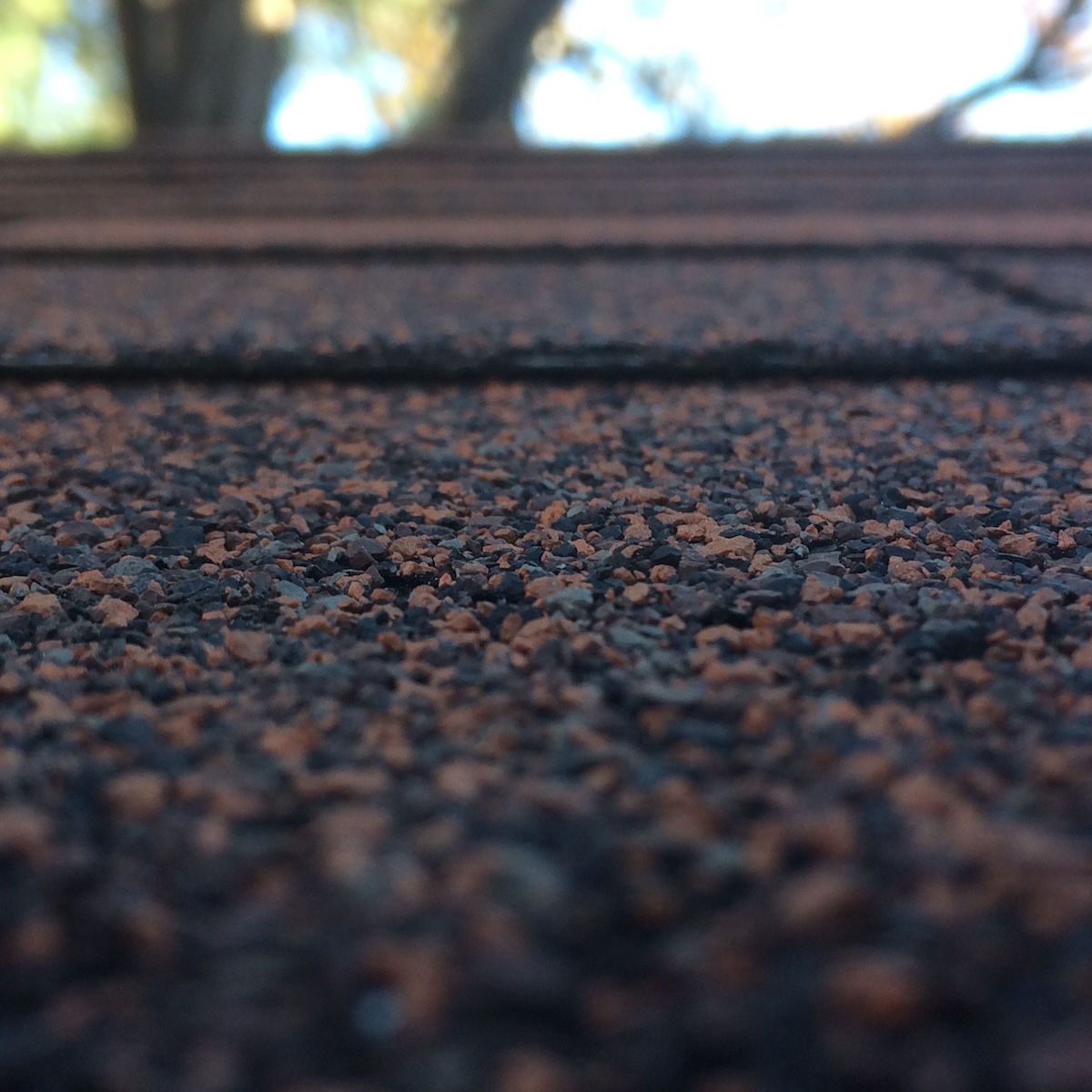
Roofing takes the hardest beating of anything on a house, and years of sun, wind, and pooling water can wear it down long before a stain appears on a ceiling.
A dedicated roofing company spots that kind of wear early and deals with it while the work is still small and affordable.
Homeowners who want that steady, informed attention often turn to Madewell Roofing for regular inspections and straight answers about what genuinely needs doing.
Why Water Causes the Most Expensive Damage
Almost every serious repair a home ever needs starts with water going where it shouldn't.
It does not arrive in a dramatic flood. It seeps in through a hairline crack, runs down inside a wall cavity, soaks into timber, and sits there in the dark where nobody looks.
By the time the evidence shows up as a soft patch of plaster or a musty smell in a cupboard, the damage behind the surface has usually been building for months.
That slow, hidden pattern is what makes water so expensive. A crack in a sealant line costs very little to fix.
The rotted framing, ruined insulation, and stained ceiling that the same crack produces after two wet winters cost a great deal.
Preventive maintenance is really just the practice of finding those entry points while they are still cheap to close.
Seasonal Checks That Keep a Property Sound
Homes take different kinds of punishment at different times of year, so a good maintenance routine follows the calendar rather than trying to do everything at once.
In spring, walk the outside of the house and look at what winter left behind. Check the walls for cracks, the window frames for split or shrunken sealant, and the ground near the foundation for soil that has washed away or settled into a dip.
In summer, deal with the things that need dry weather. Repaint bare timber, clear plant growth away from the walls, and make sure vents are open and unobstructed, so heat and moisture can escape from enclosed spaces.
In autumn, clear every gutter and downspout properly. Leaves and grit turn a drainage system into a shallow trough, and overflowing water runs straight down the wall or collects against the foundation, which is exactly where you never want it.
In winter, keep an eye on what the cold reveals. Ice along an edge, condensation on the inside of windows, or a room that never warms up all point to gaps in insulation or airflow that are worth tracing back to their source.
Simple Habits That Extend the Life of a Building
Not all of this requires tools or expertise. A large share of preventive work is nothing more than paying attention on a regular basis.
Keep trees and shrubs trimmed back so branches are not scraping against walls or dropping debris where it can build up.
Make sure the ground slopes gently away from the house so rain runs off instead of pooling against the base.
Clean the exterior surfaces once a year so dirt and moss are not sitting on materials and holding moisture against them. Check that vents, air bricks, and openings are clear rather than blocked by stored boxes, furniture, or overgrowth.
Planning and Budgeting for Regular Upkeep
Maintenance feels expensive when it arrives unexpectedly and reasonable when it is planned.
Setting aside a modest amount each month for upkeep changes the whole experience of owning a home, because the money is already there when something needs doing.
It removes the temptation to delay a repair simply because the timing is inconvenient.
It also helps to keep a simple written record. Note what was checked, what was fixed, and when.
Over a few years, that record tells you which parts of the house need frequent attention and which have been reliable, and it gives you a realistic sense of what to expect next.
Knowing When to Bring in Trained Help
There is a sensible line between what a homeowner should handle and what should be left to someone experienced.
Clearing debris, checking seals, trimming growth, and watching for warning signs are all reasonable to do yourself.
Working at height, opening up a wall, or trying to diagnose the source of a leak that has already spread is not.
Trained professionals are worth calling in for two reasons. They know where problems hide, and they can tell the difference between cosmetic wear and a fault that will get worse.
Building a Routine You Will Actually Follow
The best maintenance plan is the one you actually follow. A complicated schedule with dozens of tasks will be abandoned by the second season. A short list, tied to four times a year, will survive.
- Parents Are Prioritising Breathable, Sustainable Fabrics For Children's Seasonal Sleepwear
- Our Homemade Christmas Printables, Made With AI: What Worked, What Didn't, and What I'm Saving for Next Year
- At-Home vs. In-Lounge IV Therapy in the Hudson Valley: Which Makes More Sense?
- Can Passengers Pursue Compensation After a Car Accident?




Write down five or six things to check each season and put the dates in a calendar.
Walk the outside of the house slowly and look at it properly rather than glancing at it on the way to the car.
Fix small problems in the week you find them instead of adding them to a list that keeps growing.





Leave a Reply