

To conduct successful construction, demolition, and shop fit-out activities, it is vital to have proper site planning, safety procedures, and an efficient approach.
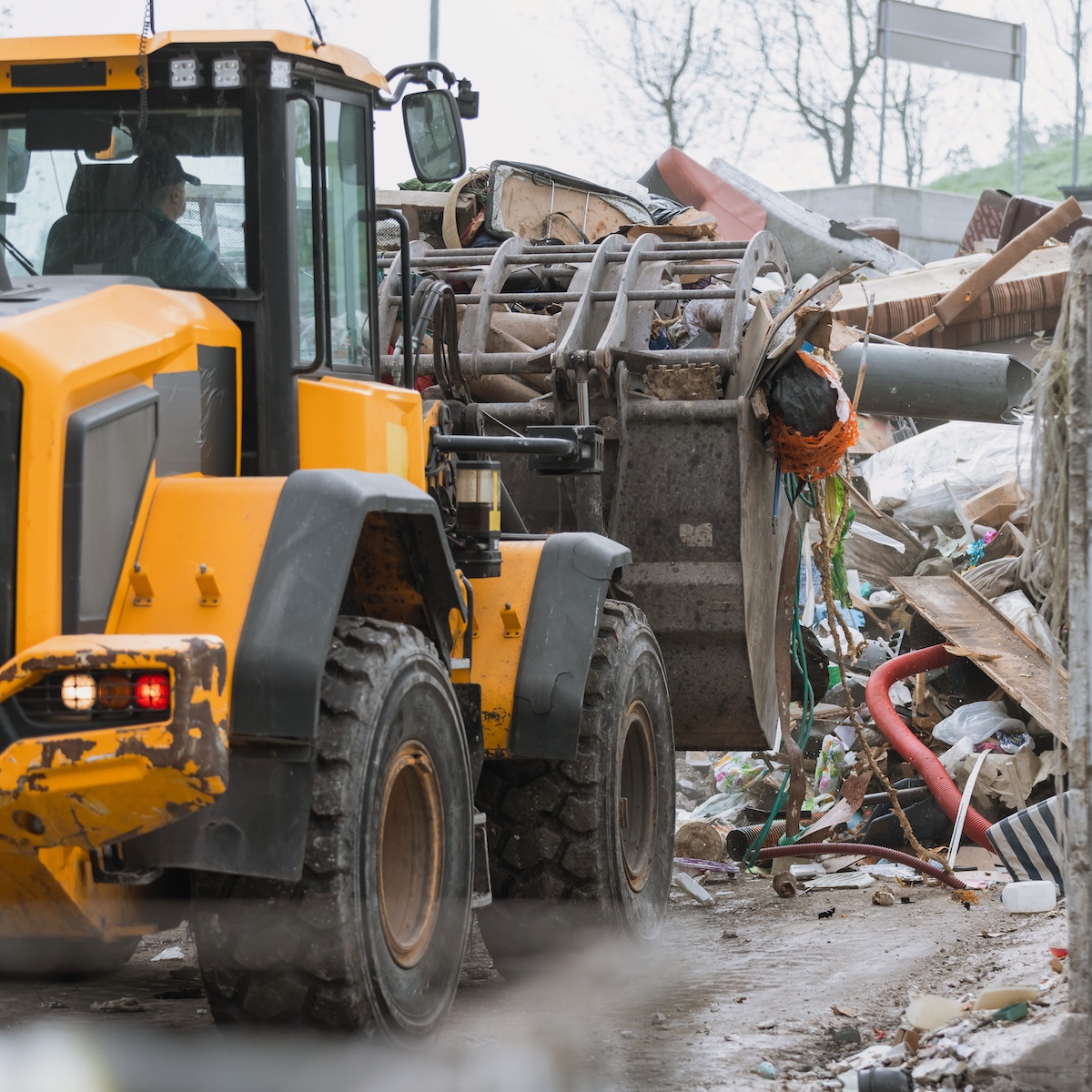
However, dealing with large volumes of wood scrap, broken concrete, trash, and gypsum waste may delay the process.
Failure to segregate and remove the garbage poses danger to employees, risks fires, and results in expensive cleanup.
Establishing a system of eco-friendly waste disposal helps contractors to save money, meet regulations, and ensure cleanliness of the site.
Having set areas for waste, working with trusted recycling stations, and choosing to book affordable skip bin hire in wetherill park lets teams stay on task.
This way, keeping the site clean is simple and won’t lead to problems with extra costs.
Jump to:
The True Cost of Poor Construction Waste Management
If you do not handle jobsite debris well, it can hurt more than how the site looks. It can also lower your project's profits and affect its safety record.
- More Labor Costs: People spend a lot of paid time moving things, handling items twice, or climbing over clutter. This keeps them from getting to do skilled building work.
- More Risks at Work: Loose wood with nails sticking out, scattered bricks, and loose wrapping can make people trip. These things also raise the risk of trouble for public safety.
- Paying to Throw Away Items Twice: When you put concrete, dirt, and plain wood into normal bins instead of recycling, you have to pay a lot more in dumping fees at sorting places.
4 Core Waste Management Strategies for Builders and Contractors
Using planned debris controls turns messy job sites into clean and well-organized work areas.
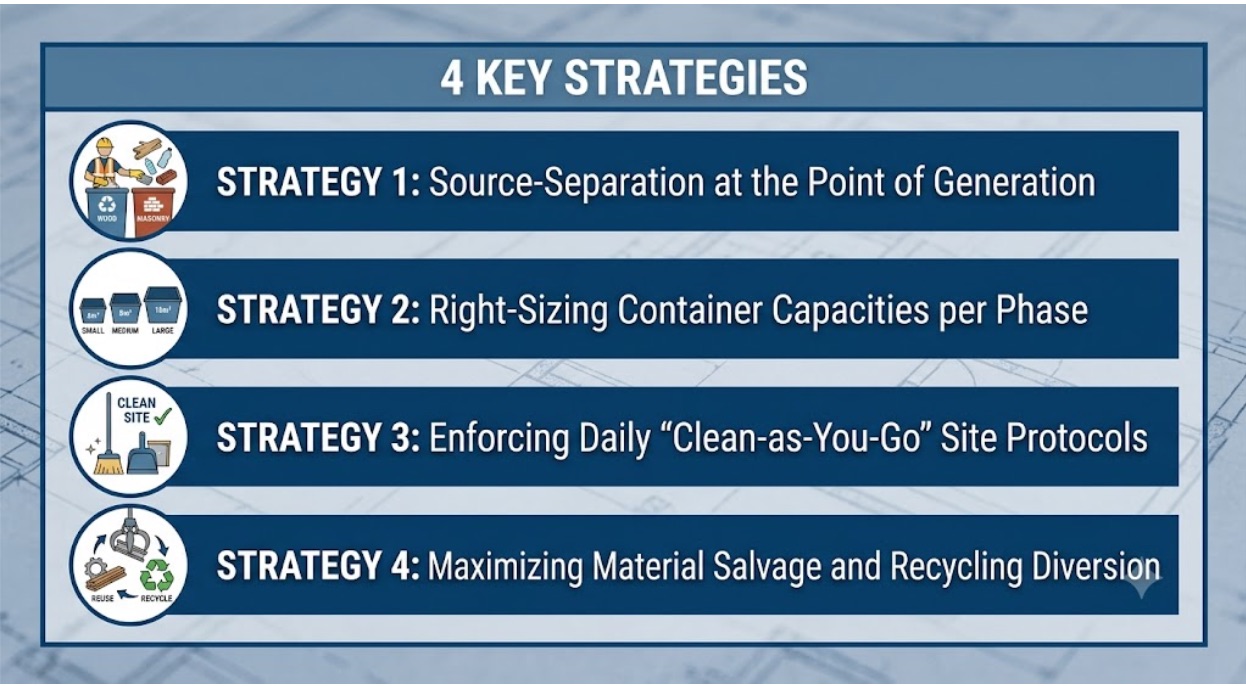
1. Implement Source-Separation On-Site
Instead of putting all demolition waste in one mixed bin, set up sorting stations for the most common waste types.
🤖 Looking For An Answer?
Ask AI to summarise this post to see if the article answers your questions:
| Material Stream | Recommended Sorting Strategy | Cost & Environmental Impact |
| Concrete, Brick & Tiles | Dedicated heavy-masonry skip bins | Recycled into crushed road base; lower tipping fees |
| Scrap Metal & Wiring | Separate lockable recycling bins | High resale/rebate value; reduces overall disposal costs |
| Untreated Timber | Dedicated timber collection points | Chipped into wood mulch or biofuel feedstock |
| Gyprock & Plasterboard | Moisture-protected dry bins | Diverted to soil conditioning and board remanufacturing |
2. Match Container Types to Project Phases
The different steps in building give off different amounts of waste. The waste also has different thickness at each step.
- Demolition Phase: You will need big marrel skips or hook-lift bins. These are made for heavy rubble, concrete, and soil.
- Framing & Lock-up Phase: You should get medium or large skip bins. They are made for timber pieces, packaging, and roofing waste.
- Fit-Out & Detailing Phase: It's good to use light bins for general waste. These can take cardboard, plastic wrap, and gyprock scraps.
Optimizing Container Loading and Spatial Logistics
Getting the most use out of space in skip bins stops them from filling up too soon. This helps you avoid paying more to have them taken away.
Loading Rules for Construction Crew Efficiency:
- Flat-Base Layering: Put the heaviest things, like concrete slabs or brick pieces, in a flat layer on the floor of the bin. This helps keep most weight low to the ground.
- Dismantle Hollow Items: Break down things like cardboard boxes. Take apart wooden crates and cut wooden beams into short pieces. This will help get rid of extra space.
- Strict Rim-Height Compliance: Make sure the bin is filled to the top edge, not higher. A bin that is overfilled can drop things onto the road and cause dangers. This can also make your driver not take it, and you might pay extra for the pickup.
Regulatory Compliance and Environmental Standards
These days, most commercial building contracts require you to follow strict environmental rules. You also have to meet important Green Star rating standards.
- Keep Hazardous Waste Alone: Do not mix asbestos sheets, lead pipes, chemical cans, glues, or lithium batteries with general site skips. These materials need trained people for transport and must go to special treatment centers.
- Get Public Permits: Sometimes your site is small. You have to put the container on grass strips or on the roadside. In that case, get a council permit before your container arrives. This way, you do not get a local fine.
Summary Checklist for Site Waste Optimization
- Audit Debris Streams: Find out the main types of waste at the site before you start any work.
- Set Up Bin Stations: Put clear labels on each container. Have one for clean concrete, one for timber, one for scrap, and one for regular trash.
- Train Trades: Make sure everyone does a sweep at the end of the day. Sorting must be done by all workers on the site.
- Monitor Fill Levels: Plan for the bins to be swapped out before they get too full or reach the top.
- Parents Are Prioritising Breathable, Sustainable Fabrics For Children's Seasonal Sleepwear
- Our Homemade Christmas Printables, Made With AI: What Worked, What Didn't, and What I'm Saving for Next Year
- At-Home vs. In-Lounge IV Therapy in the Hudson Valley: Which Makes More Sense?
- Can Passengers Pursue Compensation After a Car Accident?




Making things easy at a work site means you need clear planning, good ways to handle stuff, and dependable waste removal help.
If you choose to book affordable skip bin hire in wetherill park and manage waste in a set way, your site can be safer, follow all the rules, and save money from start to finish.





Leave a Reply