

Every child needs unstructured time to figure out how the physical world operates. Kids build mental models that stay with them for life when interacting with simple objects.
Research indicates that different toys significantly affect children's thinking, social interaction, and creative expression. Choosing the right items helps kids build capabilities without feeling like they are working.
Jump to:
- Physical Play Vehicles
- Cognitive Gains and Problem Solving
- Language Acquisition and Daily Speech
- Emotional Control and Shared Activities
- Lifelong Skills and Academic Steps
- Fine Motor Skills and Physical Grip
- Interactive Spaces and Learning Speed
- Creative Outlines and Solo Play
- Sensory Exploration Through Hands-On Play
- Independence and Decision-Making Skills
- Building Patience and Persistence
- Final Thoughts
Physical Play Vehicles
Movement-focused play offers immediate gains for physical control and hand coordination. Small cars require precise finger adjustments and spatial judgment during long play sessions.
Kids learn early physical concepts like friction, momentum, and distance naturally. Finding items like Matchbox: The Movie toys gives young learners a reliable outlet for imaginative storytelling and tracking. Kids track speed across different surfaces, predict trajectories, and adapt their grip.
Motor skills refine as children push vehicles through self-made obstacle courses. Hands grow stronger while minds process cause and effect.
Cognitive Gains and Problem Solving
Cognitive growth spikes when children run into unexpected problems. Educational tools like puzzles, building blocks, and learning games directly boost reasoning skills.
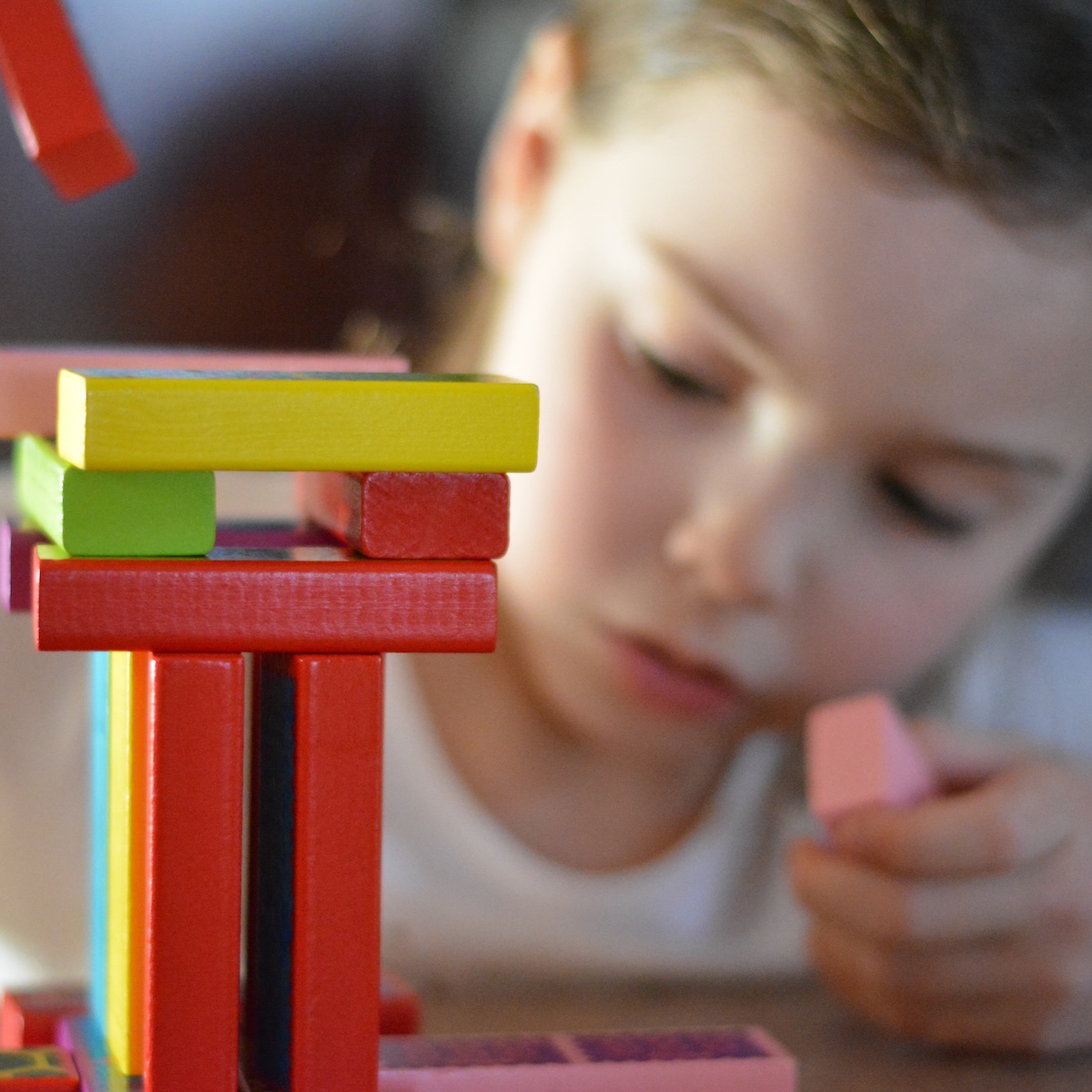
Puzzles teach pattern recognition alongside spatial logic during quiet play hours. Building blocks force kids to weigh structural balance and weight distribution before adding pieces. Memory games sharpen quick recall speed while interactive board games teach turn-taking routines.
Kids internalize logical frameworks while playing freely. Building structures or assembling parts allows children to practice trial and error without fearing temporary mistakes.
Language Acquisition and Daily Speech
Play space quality directly affects speech development throughout early childhood. Access to varied play materials speeds up speech and reading comprehension.
Playing alongside peers forces kids to practice new vocabulary words constantly. Children discuss item ownership, plan imaginary setups, and resolve minor social disagreements. Verbal exchanges build strong communication habits faster than watching digital screens.
Storytelling grows more descriptive as kids narrate their activities out loud. Thoughts translate into complete sentences during imaginative scenarios.
Emotional Control and Shared Activities
Managing intense emotions remains a tough milestone for developing minds. Shared activities create safe spaces where children test personal boundaries.
Sharing items requires self-restraint and emotional maturity. Kids learn to navigate mild frustration, wait for turns, and negotiate fair choices during group play.
Imaginative play lets children step into dynamic roles with zero risk. Pretending to be drivers, doctors, or parents strengthens personal awareness and everyday empathy.
Lifelong Skills and Academic Steps
Informative playthings teach real skills that stay useful into adulthood. Kids who practice problem-solving early transition into formal schooling with deep confidence.
Handling challenging tasks step by step keeps young students from feeling overwhelmed. Early success during solo play turns into solid academic performance over time.
Confidence grows as children master multi-step activities on their own. Learning becomes a fun habit rather than a strict requirement.
Fine Motor Skills and Physical Grip
Handling small toy components improves physical dexterity and hand grip. Threading beads or snapping track pieces together prepares small fingers for future writing tasks.
Children strengthen mental focus alongside physical hand strength. Rebuilding fallen structures teaches patience while hands figure out precise spatial adjustments.
Fingers learn proper pressure control while placing items carefully. Physical mastery brings a strong sense of personal independence.
Interactive Spaces and Learning Speed
Room setups directly influence how fast children absorb information. A recent study observed that environments that push children to think, explore, and figure things out bolster the most amount of cognitive development.
Open-ended spaces invite spontaneous activity and creative exploration. Simple materials encourage deep concentration while keeping distractions very low. Accessible storage setups help kids choose specific activities without adult help.
Rich environments give kids full control over personal learning speeds. Children dive deep into specific tasks without feeling rushed.
Creative Outlines and Solo Play
Structure has benefits, but children need open hours to play freely. Unstructured time lets kids invent unique rules and test custom ideas.
Unplanned hours remove the fear of making wrong choices. Turning basic objects into castles or cars builds high-level imagination skills naturally.
Solo play encourages deep focus and original thinking. Kids trust their own decision-making process when nobody gives orders.
Sensory Exploration Through Hands-On Play
Children learn best when they can touch, move, and manipulate different objects. Hands-on activities stimulate multiple senses at once, helping young minds process information more effectively than passive forms of entertainment. Toys with different textures, shapes, and moving parts encourage curiosity while strengthening observation skills.
Sensory play also helps children understand how materials behave under different conditions. They discover that some objects are soft while others are hard, some roll while others stay still, and some float while others sink. These everyday discoveries become the foundation for future scientific thinking.
Exploring through the senses encourages independent learning because children naturally experiment without needing detailed instructions. Every new object presents another opportunity to ask questions, test ideas, and gain confidence through firsthand experience.
Independence and Decision-Making Skills
Giving children the freedom to choose their own activities encourages independent thinking from an early age. Selecting toys, planning games, and solving small challenges teaches them to evaluate options and make thoughtful decisions without constant adult direction.
Independent play also develops responsibility. Children learn to organize their materials, finish projects they begin, and care for their belongings. These simple routines build self-discipline that carries over into schoolwork and everyday responsibilities.
Making choices during play strengthens confidence because children experience the outcomes of their own decisions. Whether building a tower, creating a race track, or inventing a game, each successful choice reinforces problem-solving abilities and personal initiative.
Building Patience and Persistence
Many valuable lessons come from activities that require time and repeated effort. Completing a puzzle, constructing a stable building, or mastering a new game teaches children that meaningful results often come through persistence rather than immediate success.
Mistakes become valuable learning opportunities during play. Instead of viewing failure negatively, children naturally adjust their strategies, try different approaches, and improve with each attempt. This process helps develop resilience in a low-pressure environment.
Practicing patience through play prepares children for future academic and personal challenges. Learning to stay focused, work through setbacks, and celebrate gradual progress creates habits that support long-term success both inside and outside the classroom.
- Parents Are Prioritising Breathable, Sustainable Fabrics For Children's Seasonal Sleepwear
- Our Homemade Christmas Printables, Made With AI: What Worked, What Didn't, and What I'm Saving for Next Year
- At-Home vs. In-Lounge IV Therapy in the Hudson Valley: Which Makes More Sense?
- Can Passengers Pursue Compensation After a Car Accident?




Final Thoughts
Supporting child growth does not require complicated routines or costly items.
Providing simple, durable materials and stepping back lets kids guide their own development naturally. Make sure to check out the rest of our articles!





Leave a Reply