

The photos all look the same. Ocean view, infinity pool, someone plating food on a terrace. None of it tells you whether the clinical care inside is any good, which is the only thing you're really buying.
Search luxury rehab California, and you'll find dozens of facilities presenting nearly identical images at widely different prices.
The honest version is that some of what separates a premium program from a standard one genuinely changes the treatment you receive, and some of it is decoration. Sorting out which is worth doing before you spend the money.
Jump to:
What the Word Usually Covers
Luxury in this context generally means private accommodation, a small client census, chef-prepared meals, attractive grounds, and a range of holistic or wellness offerings alongside clinical programming.
None of that is inherently meaningless. Comfort influences whether people stay, and leaving early is one of the more reliable predictors of a poor result.
But comfort is the mechanism, not the treatment, and a facility that leads with its furniture may be leading with its furniture for a reason.
What Actually Affects the Care You Receive
Three things determine clinical quality more than anything visible in a photograph.
Staff-to-Client Ratio
This is the single most useful number to ask for. A program with a small census and a high clinician ratio can deliver several individual sessions a week and adjust your plan as you go. A larger facility with the same amenities may still run mostly group programming with one individual session weekly.
Ask specifically how many individual therapy sessions per week are included and how many clients each clinician carries. Vague answers here are informative.
Individualized Rather Than Standardized Programming
Standard programs tend to run a fixed curriculum that everyone moves through together. Genuinely individualized treatment means your plan reflects your particular history, your co-occurring conditions, and what previous attempts revealed.
That distinction shows up in practical questions. Can they accommodate a benzodiazepine taper running longer than the standard stay? Do they treat co-occurring psychiatric conditions on site, or refer them out?
Credentials and Medical Capability
Ask about licensing and accreditation, whether a physician is on staff or on call, whether nursing coverage runs around the clock, and who supervises the clinical program.
For anyone detoxing from alcohol or benzodiazepines, medical capability isn't a preference. It's a safety requirement.
Which Amenities Do Clinical Work
Some premium features have a defensible therapeutic rationale. Others are hospitality.
| Feature | What it contributes |
|---|---|
| Private room | Sleep quality and privacy, both of which affect early recovery |
| Nutrition and chef-prepared meals | Real clinical value, since substance use commonly leaves serious deficiencies |
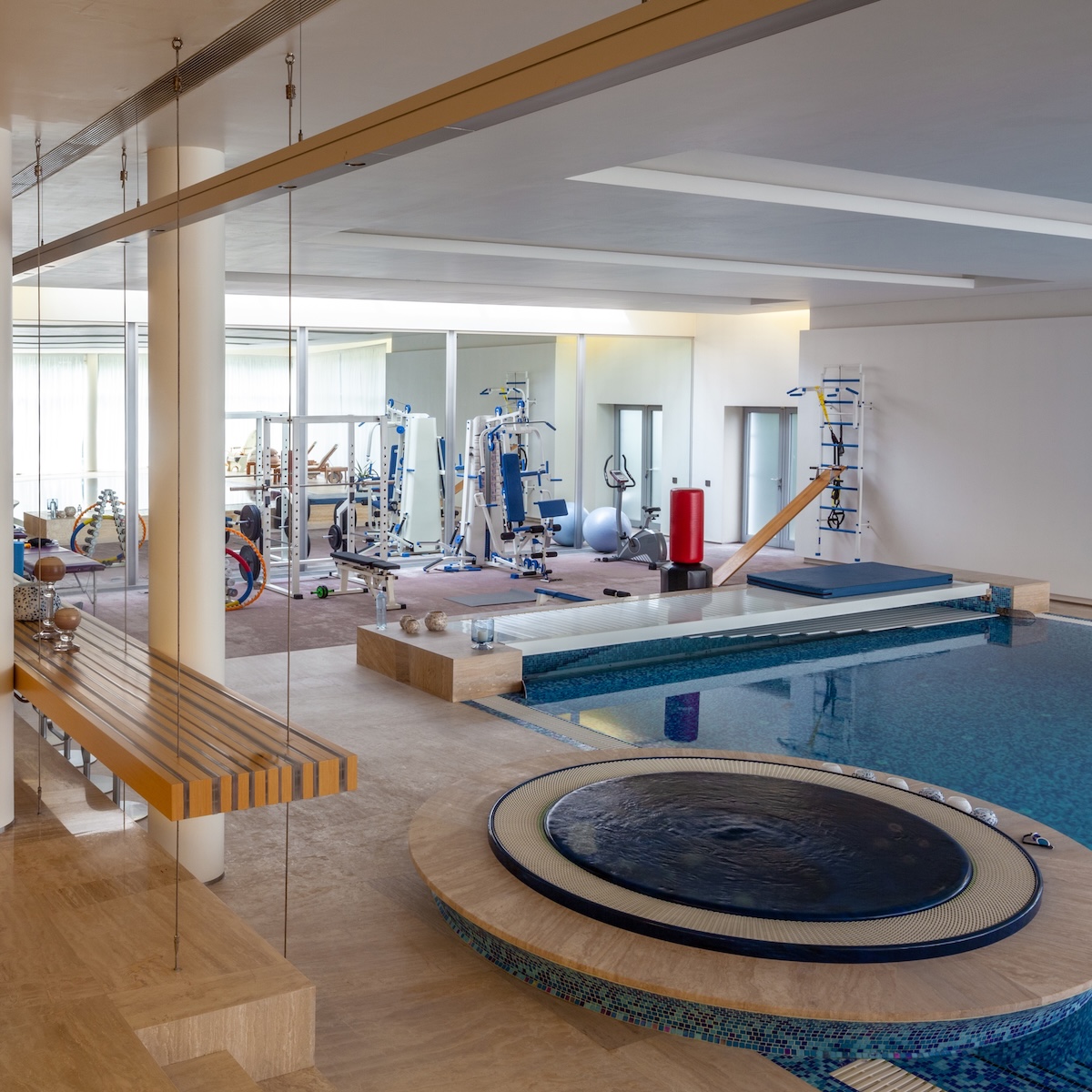
| Fitness and structured movement | Supports sleep, mood regulation, and routine |
| Small client census | Directly enables individual attention |
| Massage, spa services, spa-style extras | Comfort and retention rather than treatment |
| Scenic location | Reduces stimulation and distance from triggers, though not treatment itself |
The useful test is whether a feature supports the clinical work or simply makes the stay pleasant. Both have value. Only one of them is what you're there for.
The Privacy Question
For some people this is the actual reason for choosing a private-pay program. Executives, physicians, attorneys, and anyone with professional licensing or public visibility often have genuine reasons to want discretion.
That's a legitimate need rather than vanity. Ask concretely how confidentiality is handled, whether clients are ever photographed, and what the policy is on outside contact and work access during the stay.
What the Price Doesn't Buy
No facility can promise a particular result, and any program implying otherwise is telling you something about itself.
Treatment outcomes depend heavily on engagement, on what happens after discharge, and on factors nobody controls.
Amenities also don't substitute for the difficult parts. The therapy is still uncomfortable, the cravings still arrive, and a nicer room doesn't shorten the work.
What a well-run premium program can offer is more clinical attention per week and an environment that makes staying long enough more likely.
Questions Worth Asking Before You Commit
- How many individual therapy sessions are included each week
- What is the clinician-to-client ratio and the total census
- Is medical detox provided on site, and what is the nursing coverage
- Are co-occurring psychiatric conditions treated here or referred out
- Who supervises the clinical program, and what are their credentials
- What does the step-down or aftercare plan look like
- What is included in the quoted price and what is billed separately
FAQ'S
Amenities themselves don't drive outcomes. What can differ meaningfully is staffing ratio, frequency of individual therapy, and how individualized the programming is, and those are worth asking about directly.
Many premium facilities operate out-of-network, meaning partial reimbursement rather than direct coverage. Verify benefits before admission and ask precisely what the quoted price includes.
Pricing varies widely depending on length of stay, level of medical care, and accommodation. Ask for a written breakdown covering detox, residential treatment, medical services, and anything billed separately.
Some programs accommodate limited work access for executives and professionals, and others restrict it because outside stressors interfere with treatment. Policies differ significantly, so ask before admitting.
Clinical questions rather than photographs. Licensing, accreditation, medical coverage, individual session frequency, whether co-occurring conditions are treated on site, and what aftercare looks like.
- Parents Are Prioritising Breathable, Sustainable Fabrics For Children's Seasonal Sleepwear
- Our Homemade Christmas Printables, Made With AI: What Worked, What Didn't, and What I'm Saving for Next Year
- At-Home vs. In-Lounge IV Therapy in the Hudson Valley: Which Makes More Sense?
- Can Passengers Pursue Compensation After a Car Accident?




Considering Detox California
If you're weighing programs and struggling to tell them apart on their websites, the questions above will help you separate them quickly.
Detox California offers medically supervised detox and residential treatment on the Southern California coast, and will answer clinical questions directly on a first call.
Ask them the same things you'd ask anyone else. That's the point of having the list.





Leave a Reply