

Starting ABA therapy can feel overwhelming when you do not know what to expect. Parents often worry about how their child will respond, what activities will take place, and whether the support will actually help.
The good news is that ABA therapy sessions are structured, play-based, and tailored to your child's specific needs. Here is a clear breakdown of what an ABA therapy session in Colorado Springs, Colorado, looks like from start to finish.
Jump to:
How Does a First ABA Therapy Session Look?
Families can access ABA therapy Colorado Springs that provides a highly structured two- to four-hour approach, combining play-based learning, structured teaching, and community practice.
A Registered Behavior Technician (RBT) facilitates the session under the supervision of a Board Certified Behavior Analyst (BCBA), using positive reinforcement to teach communication and social skills.
What Happens Before an ABA Therapy Session Begins?
A successful ABA session starts long before your child begins. Behind the scenes, therapists carefully prepare every detail to ensure that each minute of the session is safe, engaging, and beneficial for your child's progress.
- Reviewing Previous Data: The therapist reviews notes from earlier sessions to track progress and identify which skills need more practice.
- Preparing Materials: The therapist organizes toys, picture cards, and token boards in advance to prevent unnecessary downtime during therapy.
- Setting Daily Targets: The therapist sets up individualized goals designed by the BCBA and gathers your child's favorite games or rewards.
- Checking Readiness: The therapist assesses your child's mood and adjusts the schedule if they are tired, hungry, or overwhelmed.
What Happens During an ABA Therapy Session?
Once the prep work is done, the actual session begins. It is never one long, boring block of work. Instead, it is broken down into fun, active parts that keep your child happy and focused.
1. Greeting, Pairing, and Building Trust
The very first part of the session is all about "pairing." This is the clinical term for building a friendship and trust between the therapist and the child.
The therapist starts by warmly greeting your child. Do not prompt your child to do tasks right away.
Instead, your child's therapist joins your child's play, whether it's with blocks, coloring, or anything else your child likes.
This helps your child feel at ease and reduces the likelihood of anxiety at the outset of the session.
2. Play-Based Learning
Children learn best through play. Today, ABA is well known for using play to naturally teach clients important developmental skills.
In play, the ABA therapist Colorado Springs is a player and goes with the child's lead.
The therapist can teach colors, sharing, or fine motor skills while the child plays with the toy cars.
Because it feels like a fun game, the child stays highly motivated and does not even realize they are practicing their goals.
3. Table Time and Structured Teaching
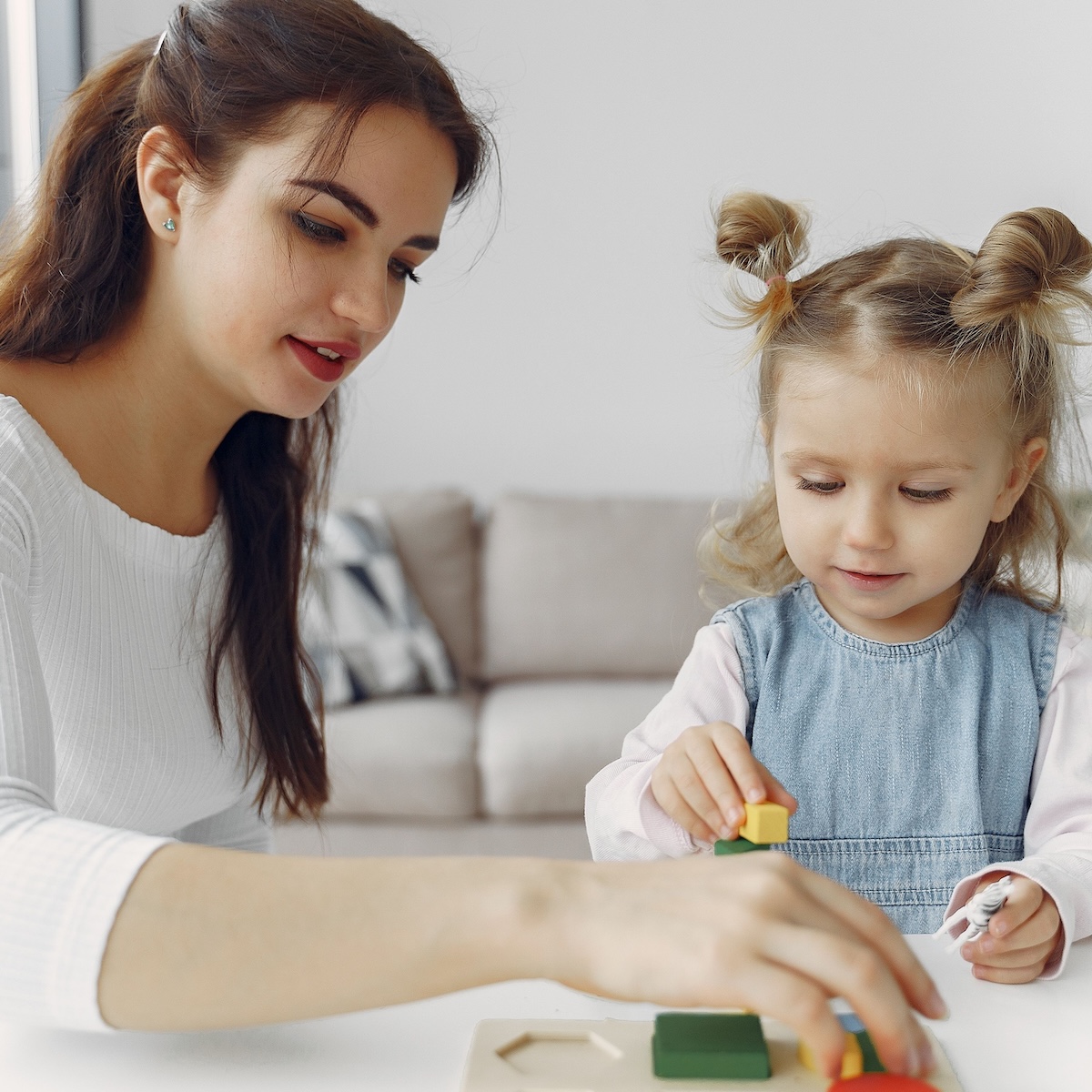
Table time is a short, focused part of the session where the therapist and child sit down for direct instruction. During this time, the therapist uses short learning intervals.
They will ask your child to perform a simple activity, such as matching shapes, naming colors, pointing to letters, or following a direction.
This teaching style is limited; typically, it occurs in short bursts of minutes. The therapist also incorporates short breaks to keep the child calm and receptive to learning.
4. Natural Environment Teaching (NET)
Table time is ideal for teaching new concepts, but Natural Environment Teaching (NET) helps practice those skills in real life.
The therapist will teach your child how to practice skills at home, school, or in the Colorado community rather than sitting in a therapist's office. This could occur at local parks, grocery stores, or community outings.
It is very important that your child practices in various settings, as this helps them to develop the ability to use their skills with others in the real world.
5. Communication and Social Skills Practice
One of ABA's most important objectives is to enable children to communicate their thoughts.
Therapists focus on functional communication skills, teaching children how to request items they need using words, sign language, or communication tablets.
Sessions also address social skills such as initiating conversations, taking turns in games, making eye contact when comfortable, and playing well with peers.
6. Behavior Support and Positive Reinforcement
Children who don't know how to express their frustration may respond with a tantrum or other problematic behaviors. ABA addresses this through positive reinforcement.
Therapists use praise, token boards, and fun activities to reward helpful behaviors during sessions.
When a child has trouble, the therapist instructs him to learn the safe “replacement behavior”, such as using a picture card to ask for a break.
Modern ABA is a practice of kindness, support, and positive rewards, not punishment.
7. Breaks, Movement Activities, and Sensory Support
Children often have a lot of energy, and many require additional sensory support to help them calm down. That's why therapists schedule lots of movement breaks during sessions.
Your child could take a break to play and jump, swing, or play with playdough or sensory toys. These are sensory regulation activities for kids! They allow the child's brain to rest, help them stay calm, and prevent exhaustion.
8. Data Collection Throughout the Session
The therapist notes what is happening and monitors progress during the therapy session to ensure the therapy is effective.
They record the child's independence in completing the activities and their reactions to them. The therapist provides this information to the supervising BCBA, who will determine whether the treatment plan should be modified.
This allows for careful monitoring that your child is making progress at all times.
9. Parent Updates and Session Wrap-Up
After the session, the therapist will have your child tidy up their toys (an excellent daily-life skill). Then, they will meet with you for a quick update.
The therapist will discuss what occurred during the session, provide positive feedback on your child's progress, and offer easy suggestions you can implement at home. This is also a great opportunity to ask questions or plan for the next session.
Why This Structured ABA Therapy Approach Works
This well-structured approach is effective for teaching and supporting children's development. Here is why:
- Individualization: Each session is tailored to your child's strengths, interests, and needs.
- Routine: Consistency decreases stress and helps children feel safe and confident.
- Positive Reinforcement: When your child is rewarded for making progress, learning becomes fun and their self-esteem increases.
- Data-Driven Decisions: All changes to the plan are based on data, not guesswork.
- Skill Generalization: Practicing outside the home helps your child use their skills anywhere.
- Family Involvement: Parents receive instructions on how to help their child at home and, as a result, see much greater success.
- Parents Are Prioritising Breathable, Sustainable Fabrics For Children's Seasonal Sleepwear
- Our Homemade Christmas Printables, Made With AI: What Worked, What Didn't, and What I'm Saving for Next Year
- At-Home vs. In-Lounge IV Therapy in the Hudson Valley: Which Makes More Sense?
- Can Passengers Pursue Compensation After a Car Accident?









Leave a Reply