

A home renovation can completely transform the way you live, adding comfort, functionality, and value to your property.
Yet behind every successful renovation lies one unavoidable challenge: waste.
Demolition materials, packaging, offcuts, broken fixtures, and leftover supplies can quickly pile up if they aren't managed properly.
Developing a waste management plan before work begins will help keep your renovation organised, cost-effective, and environmentally responsible.
Jump to:
Start With a Waste Management Plan
Every renovation generates waste, but the amount varies depending on the size and type of project.
A simple kitchen renovation produces different waste from a full home extension or roof replacement. Consider what materials you'll be removing and how much waste they are likely to generate.
Having a plan in place prevents last-minute decisions that often result in unnecessary landfill disposal.
Salvage Before You Demolish
Many materials removed during renovations still have value.
Doors, timber flooring, cabinetry, sinks, taps, light fittings, and bricks can often be reused or sold. Taking the time to carefully remove these items rather than demolishing everything can reduce waste while recovering some renovation costs.
Architectural salvage yards and online marketplaces are excellent places to find new homes for reusable materials.
Sort Waste as You Go
Mixing all renovation debris together makes recycling difficult.
Instead, create separate waste areas for:
- Metal
- Timber
- Concrete and bricks
- Cardboard
- Plastics
- General waste
Sorting materials throughout the project is much easier than trying to separate everything after demolition is complete.
Hire a Skip Bin for Convenience
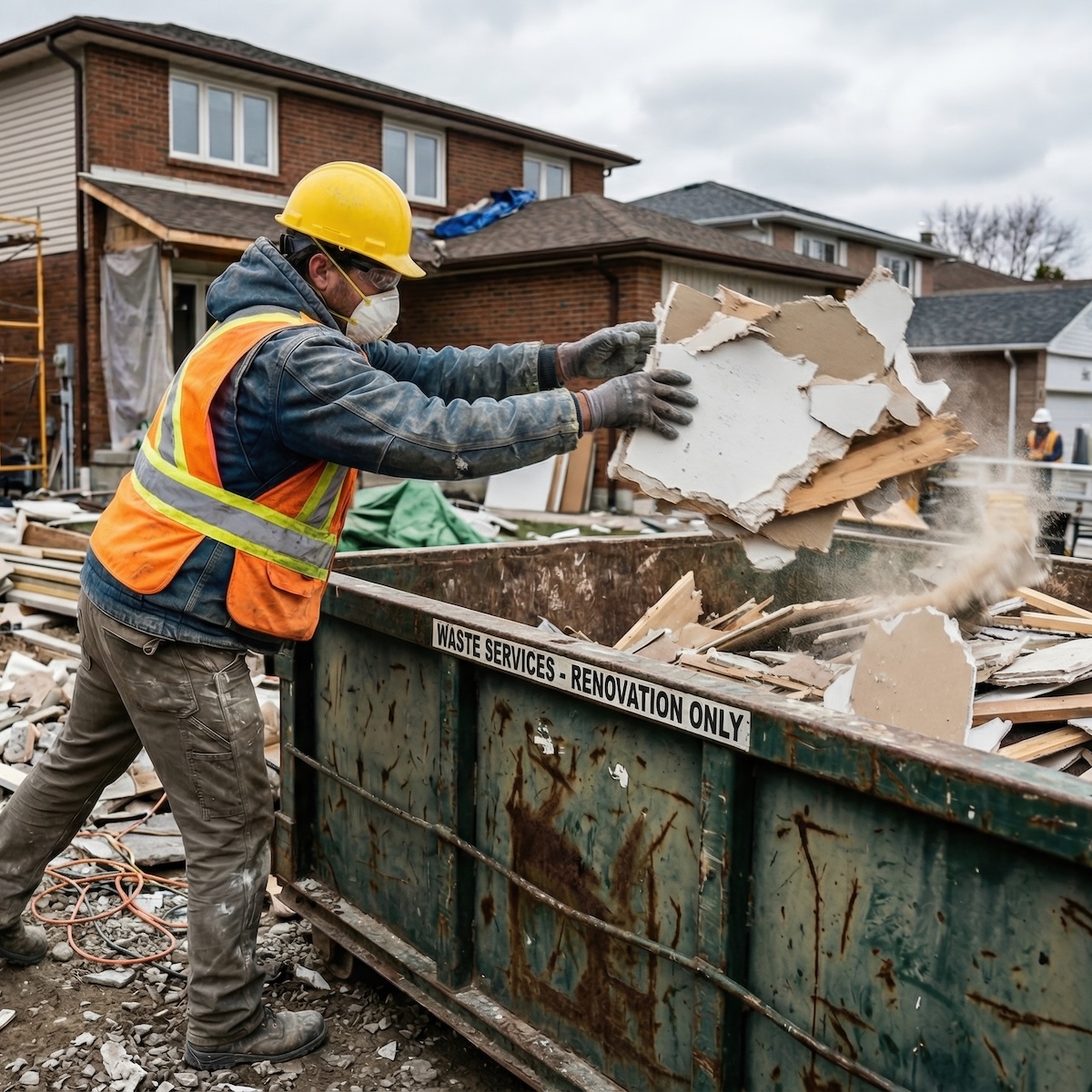
One of the most practical investments during a renovation is hiring a skip bin. A skip bin provides a central collection point for waste, helping to keep the site tidy and reducing the need for repeated trips to disposal facilities.
Depending on the scale of your renovation, choose the right skip bin size. Smaller bins suit bathroom or laundry upgrades, while larger renovations may require higher-capacity bins or multiple collections.
Always check with your provider about prohibited materials to ensure waste is disposed of correctly.
Recycle Building Materials
Many construction materials can be recycled rather than sent to landfill.
Steel, aluminium, copper wiring, untreated timber, concrete, bricks, and cardboard all have recycling potential. Local recycling facilities may even accept plasterboard or clean soil depending on regional services.
Recycling conserves valuable resources and reduces the environmental impact of renovation projects.
Avoid Buying Excess Materials
Accurate measurements are one of the simplest ways to reduce waste.
Ordering too many tiles, flooring boards, or timber lengths often leaves materials that cannot be returned or reused. While it's wise to allow a small margin for cuts and breakages, excessive over-ordering increases both costs and waste.
Careful planning helps achieve a more efficient renovation.
Protect Materials During Construction
Not all waste comes from demolition. New materials can also become waste if they are damaged during storage or installation.
Store timber off the ground, protect plasterboard from moisture, and keep flooring materials covered until installation. Preventing damage reduces replacement costs and unnecessary disposal.
Think Beyond the Renovation
Good waste management extends beyond the building phase.
Choosing durable, long-lasting materials means fewer replacements in the future. Energy-efficient fixtures, sustainable building products, and quality finishes contribute to a home that requires less maintenance and generates less waste over its lifetime.
Sustainability starts with making thoughtful choices during the renovation process.
Leave Your Site Cleaner Than You Found It
As the project nears completion, perform a thorough clean-up.
Dispose of remaining waste responsibly, recycle leftover packaging, and ensure no hazardous materials have been left behind. A clean site is safer, easier to inspect, and provides the perfect finishing touch to a successful renovation.
Conclusion
Effective waste management is an essential part of every home renovation, regardless of project size.
- Parents Are Prioritising Breathable, Sustainable Fabrics For Children's Seasonal Sleepwear
- Our Homemade Christmas Printables, Made With AI: What Worked, What Didn't, and What I'm Saving for Next Year
- At-Home vs. In-Lounge IV Therapy in the Hudson Valley: Which Makes More Sense?
- Can Passengers Pursue Compensation After a Car Accident?




By planning ahead, salvaging reusable materials, recycling wherever possible, buying only what you need, and hiring a skip bin to keep waste under control, you can complete your renovation more efficiently while reducing its environmental impact.
A little organisation at the beginning of your project can lead to a cleaner worksite, lower disposal costs, and a more sustainable renovation from start to finish.





Leave a Reply