

Healthy living often seems to require major lifestyle changes, but most families discover that lasting improvements come from small routines repeated consistently.
Busy schedules, work commitments, school activities, and household responsibilities leave little room for complicated wellness plans.
Habits that naturally fit into everyday life are far more likely to become permanent than ambitious programs that demand constant effort.
The strongest family routines usually develop gradually. Instead of trying to change everything at once, parents often build on simple practices that encourage better nutrition, regular movement, quality sleep, and time spent together.
These everyday choices may appear modest individually, but together they create a healthier and more balanced lifestyle.

Jump to:
Learning Together Makes Healthy Choices Easier
Families are generally more successful when healthy habits become shared experiences rather than individual responsibilities.
Preparing meals together, planning grocery lists, or discussing nutrition at the dinner table helps children understand why certain choices matter instead of simply following rules.
Reliable educational information can also support those conversations. The science surrounding the gut microbiome, digestion, and overall wellness continues to evolve, and resources such as Resbiotic explore how these topics relate to everyday health.
Understanding the relationship between diet, beneficial bacteria, and digestive function gives families additional context for making informed decisions without treating any single product or routine as a complete solution.
Approaching wellness as an ongoing learning process encourages curiosity instead of pressure. When family members understand the reasons behind healthy choices, those habits often become easier to maintain over time.
Daily Movement Doesn't Have to Feel Like Exercise
Many adults associate exercise with strict workout schedules, yet families often stay more active by incorporating movement into ordinary routines.
Walking after dinner, riding bicycles on weekends, working in the garden, or playing outside with children all contribute to physical activity without requiring a formal fitness program.
Comfort and stability also influence how enjoyable those activities feel. During exercises that involve balance, stretching, Pilates, yoga, or functional training, grip socks provide additional traction on smooth indoor surfaces, allowing movement to feel more secure without distracting from the activity itself.
When exercise becomes something the family naturally does together instead of another obligation to complete, consistency becomes much easier to achieve.
Better Meals Begin With Simple Decisions
Healthy eating rarely depends on complicated recipes or expensive ingredients.
Families often benefit more from making practical improvements that can be repeated throughout the week, such as preparing meals at home more frequently, keeping fresh fruit readily available, or replacing highly processed snacks with whole-food alternatives.
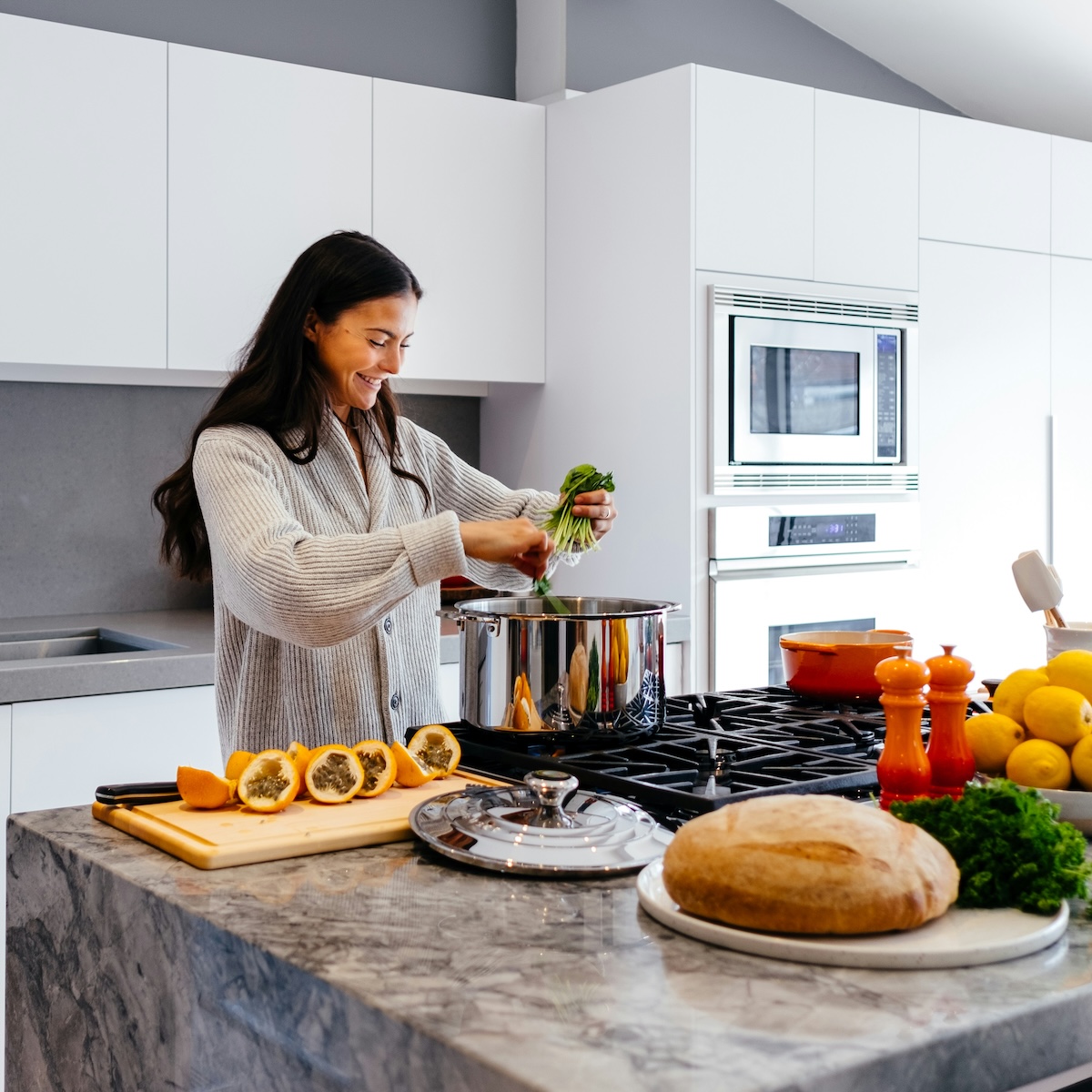
Cooking together also creates opportunities to introduce children to different ingredients and encourage them to participate in meal preparation.
Washing vegetables, measuring ingredients, or helping prepare simple dishes helps make healthy eating part of everyday family life rather than something discussed only during special occasions.
These routines also reduce the temptation to reach for convenience foods when schedules get busy, making balanced meals a more realistic option throughout the week.
Consistent Sleep Supports Every Other Healthy Habit
Nutrition and physical activity receive considerable attention, yet sleep often determines how easy it is to maintain those habits.
Adults who are consistently tired may find it more difficult to prepare healthy meals, remain physically active, or manage everyday stress.
Children experience similar challenges when irregular sleep affects concentration, mood, and energy levels.
Predictable evening routines help signal that it is time to unwind. Reading together, reducing screen time before bed, and keeping regular bedtimes throughout the week can improve sleep quality without requiring complicated changes.
Adequate rest also supports better decision-making. Feeling refreshed often makes healthy choices feel more manageable because everyday tasks demand less physical and mental effort.
Small Routines Build Long-Term Well-Being
Families do not need perfect routines to enjoy meaningful health benefits. What matters most is developing habits that remain practical through changing schedules, school terms, holidays, and everyday responsibilities.
- Parents Are Prioritising Breathable, Sustainable Fabrics For Children's Seasonal Sleepwear
- Our Homemade Christmas Printables, Made With AI: What Worked, What Didn't, and What I'm Saving for Next Year
- At-Home vs. In-Lounge IV Therapy in the Hudson Valley: Which Makes More Sense?
- Can Passengers Pursue Compensation After a Car Accident?




Small improvements repeated consistently usually produce better long-term results than dramatic changes that are difficult to maintain.
Drinking enough water, preparing balanced meals, staying active, sleeping well, and continuing to learn about overall wellness gradually become part of a family's normal routine instead of temporary goals.
Ultimately, the healthiest habits are often the ones that feel least complicated.
By choosing routines that fit naturally into everyday life, families create a foundation for long-term well-being that can continue evolving as their needs change, proving that consistency is often more valuable than perfection.





Leave a Reply