

There's a particular look kids get when they stand in front of something genuinely old; older than their grandparents, older than their country, sometimes older than recorded memory.
It's not the same expression they wear in a museum hallway reading a placard.
It's closer to wonder. And that reaction, more than any classroom lecture, is why families keep choosing history-heavy trips over another week at a resort.
Traveling to historical and cultural sites with children isn't always easy. There's the whining about heat, the inevitable "how much longer," the snack negotiations.
But the payoff, a kid who suddenly cares about ancient Rome because they touched a real Roman wall, tends to outweigh the friction.
Below are some destinations that consistently work well for families, along with a few things to know before you book.
Jump to:
Why Bother With History When You're Traveling With Kids
Plenty of parents assume historical trips are wasted on younger travelers: too much walking, too little payoff. In practice, the opposite is often true.
Kids remember tactile, physical experiences far longer than facts read off a page.
Climbing actual castle stairs, watching a craftsman work with tools unchanged for centuries, or standing inside a structure built before anyone alive today was born: these moments stick.
They also quietly build something else. A kid who's stood in someone else's history usually grows into an adult with a broader, less self-centered view of the world.
Egypt: Where Ancient History Feels Immediate
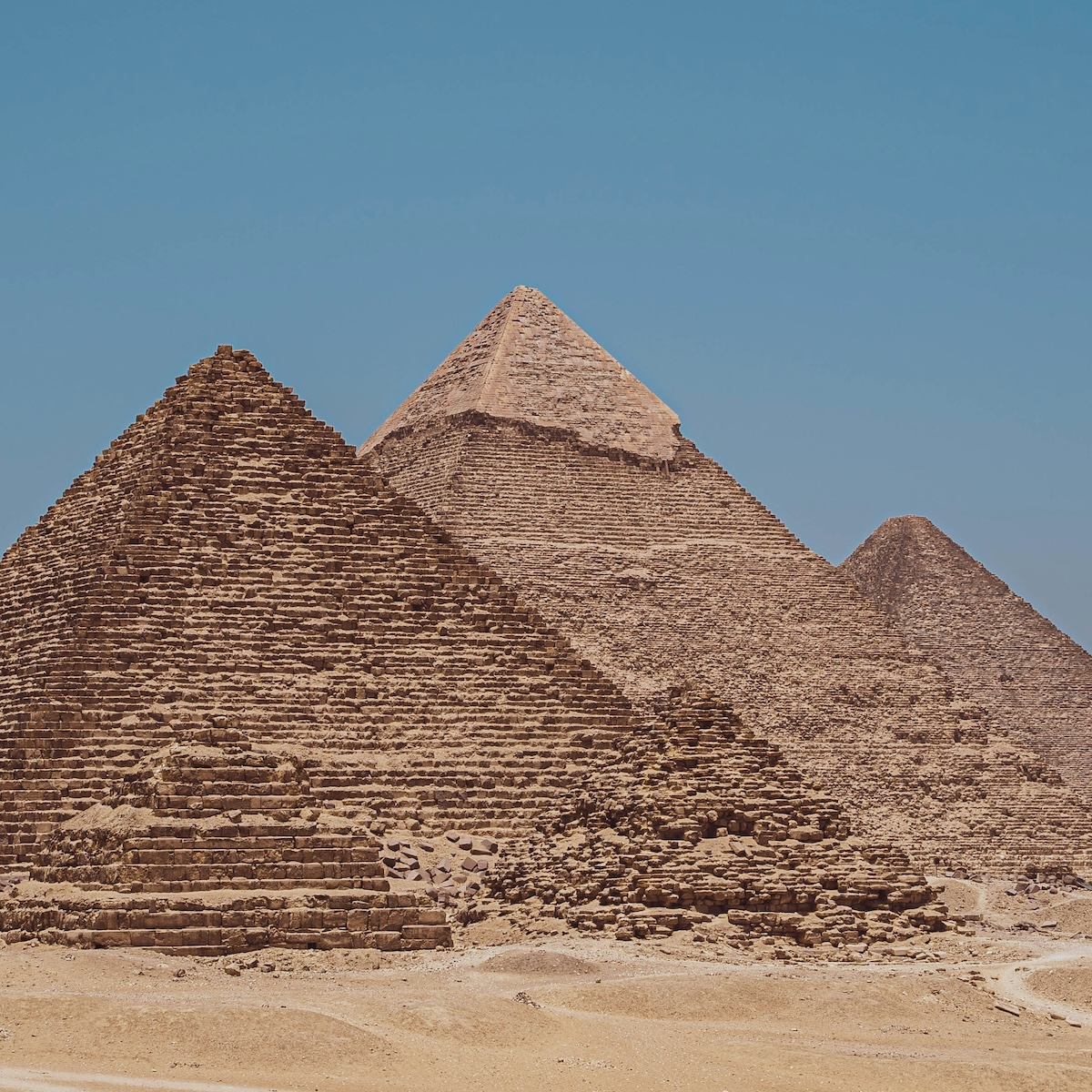
Few places make history feel less like a textbook and more like a physical fact than Egypt. The pyramids at Giza don't need much explanation; kids grasp their scale the second they're standing beneath one.
The Egyptian Museum in Cairo, despite its slightly chaotic layout, tends to hold even reluctant tweens' attention once they're face-to-face with actual mummies and Tutankhamun's gold.
Egypt gets particularly interesting once your kids hit their teenage years. Younger children might tire quickly in the heat, but teenagers can handle full days of exploring, and they're old enough to actually engage with the history rather than just tolerate it.
This is also the age when a private tour starts to make real sense, not just for comfort, but because a good private guide can tailor the pacing and depth of explanation to a teenager's attention span and interests, rather than to the slowest common denominator of a mixed group.
Families planning this kind of trip often work with operators like Inside Egypt, which specializes in building customized, private itineraries around Cairo, Luxor, and Nile cruises, useful when you're trying to balance a teenager's curiosity with everyone else's patience for one more temple.
Castles and Old Towns Across Europe
Europe's castles do a lot of the imaginative heavy lifting on their own. Edinburgh Castle, perched above the city on volcanic rock, needs almost no context for kids to find it compelling.
Neuschwanstein in Bavaria looks close enough to a fairy-tale illustration that younger children often recognize it instinctively.
Prague's Old Town, meanwhile, offers something different: no single monument to gawk at, but an entire walkable, cobblestoned world where kids can wander (within reason) and absorb centuries of architecture without a formal tour structure.
Temples, Ruins, and Living Traditions in Asia
Angkor Wat in Cambodia rewards early mornings, both because of the heat and because catching sunrise over the temple complex is the kind of thing that quiets even a restless kid.
Kyoto offers a gentler pace, with temples tucked into neighborhoods where children can watch traditional crafts happen in real time.
The Great Wall of China, meanwhile, is simply a physical challenge kids enjoy, a structure they can actually walk, climb, and measure themselves against.
The Americas: Ruins, Colonial Streets, and Hands-On History
Machu Picchu asks a lot logistically: altitude, travel time, unpredictable weather. But it delivers proportionally.
Mexico City's historic center blends Aztec ruins with colonial architecture in a way that gives kids a visible timeline they can walk through, block by block.
In the U.S., Colonial Williamsburg leans hard into interactivity, with costumed interpreters who talk directly to kids rather than at them, which tends to hold attention far longer than a static exhibit.
Making It Actually Work With Kids in Tow
A few practical adjustments make a noticeable difference:
- Prioritize sites with interactive elements, audio guides built for kids, hands-on exhibits, or costumed interpreters, rather than static, plaque-heavy museums.
- Build in real breaks. Historical sites are exhausting in ways that beaches aren't. Snacks, shade, and unstructured downtime keep meltdowns at bay.
- Turn sightseeing into a game. Simple scavenger hunts ("find three animals carved into this temple") keep younger kids engaged without dumbing anything down.
- Consider private or small-group tours, especially with teenagers. A guide who can adjust pace and depth on the fly is worth the extra cost, particularly at sites where a generic group tour would move too slowly or too fast for your kids specifically.
- Parents Are Prioritising Breathable, Sustainable Fabrics For Children's Seasonal Sleepwear
- Our Homemade Christmas Printables, Made With AI: What Worked, What Didn't, and What I'm Saving for Next Year
- At-Home vs. In-Lounge IV Therapy in the Hudson Valley: Which Makes More Sense?
- Can Passengers Pursue Compensation After a Car Accident?




Final Thought
None of this requires hitting every destination on this list in one trip. In fact, trying to do too much tends to backfire with kids of any age.
Pick one place that genuinely interests your child, plan around their attention span rather than an ideal itinerary, and let that first trip build momentum for the next one. History has a way of sticking once a kid has actually stood inside it.





Leave a Reply