

A restful night’s sleep is essential for overall well-being, yet many Australians struggle to achieve consistent, high-quality rest. While lifestyle factors play a role, your bedroom environment is equally important.
If you’re looking to shop bed linen, choosing the right fabrics, textures, and designs can make a noticeable difference in comfort and sleep quality. Thoughtful upgrades like these can transform your space into a sleep-friendly sanctuary, helping you fall asleep faster and wake feeling refreshed.
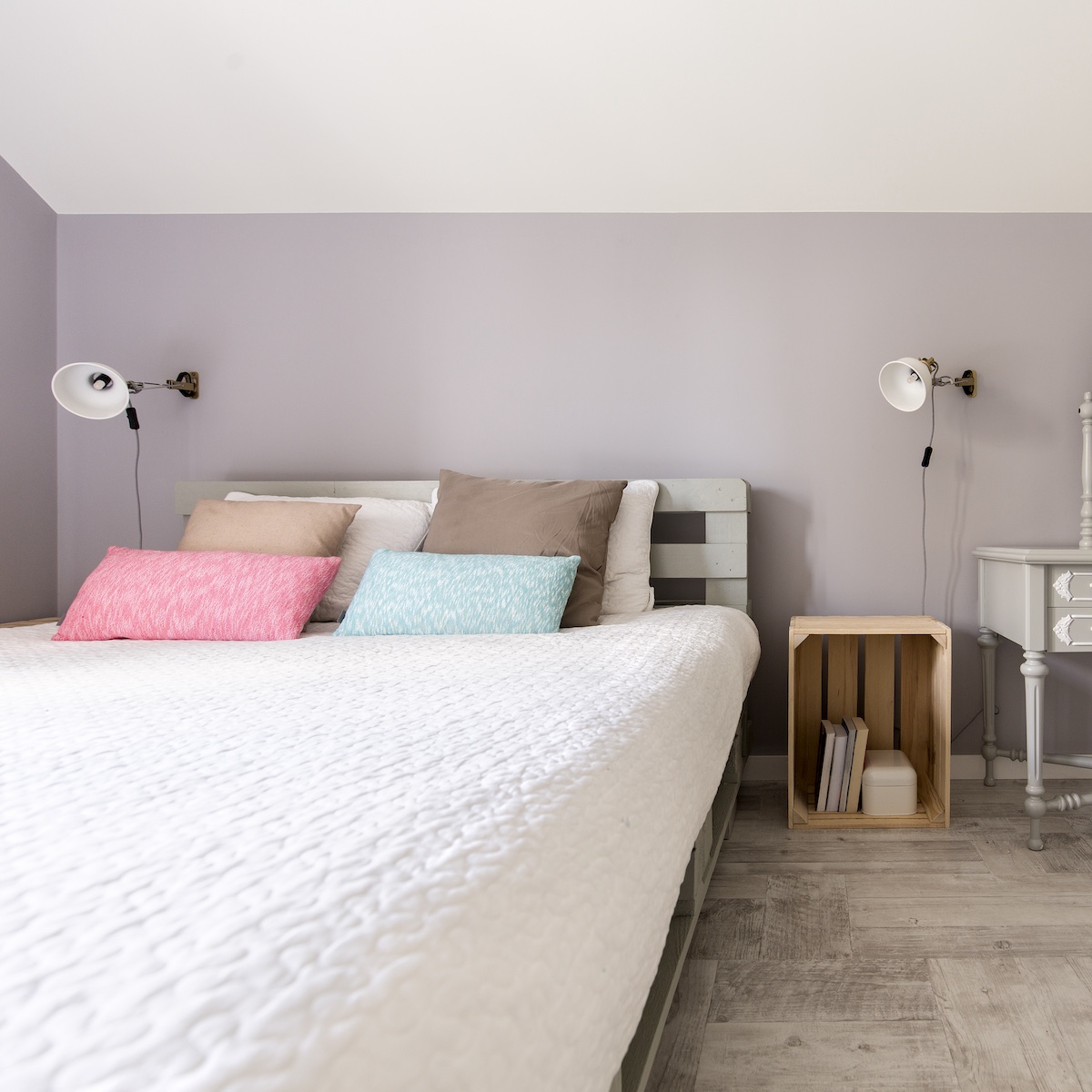
Invest in a Quality Mattress
Your mattress is the foundation of good sleep. An old or unsupportive mattress can lead to discomfort, poor posture, and frequent waking.
Upgrading to a high-quality mattress tailored to your sleeping style, whether firm, medium, or plush, can significantly enhance comfort and spinal alignment.
Consider materials such as memory foam or hybrid designs for optimal support.
Upgrade Your Pillows
Pillows are often overlooked, yet they play a crucial role in neck and head support. Choosing the right pillow based on your sleeping position can reduce strain and prevent stiffness.
Side sleepers typically benefit from thicker pillows, while back sleepers may prefer medium support. Replace pillows every 1–2 years to maintain hygiene and effectiveness.
Optimise Lighting for Better Sleep
Lighting has a direct impact on your circadian rhythm. Harsh, bright lights can interfere with melatonin production, making it harder to fall asleep.
Install dimmable lights or use warm-toned bulbs to create a calming evening atmosphere.
Blackout curtains are also an excellent addition, especially in urban Australian areas where street lighting can disrupt sleep.
Control Room Temperature
Temperature is a key factor in sleep quality. Most experts recommend keeping your bedroom between 16°C and 20°C.
In Australia’s varied climate, this may require the use of fans, air conditioning, or breathable bedding materials.
Lightweight cotton or bamboo sheets can help regulate body temperature, particularly during warmer months.
Reduce Noise Disruptions
External noise can interrupt sleep cycles, even if it doesn’t fully wake you. Consider soundproofing measures such as thicker curtains, rugs, or door seals. Alternatively, a white noise machine or a simple fan can mask disruptive sounds, creating a more consistent auditory environment conducive to sleep.
Declutter and Simplify Your Space
A cluttered bedroom can contribute to stress and mental overstimulation. Creating a clean, organised space promotes relaxation and signals to your brain that it is time to rest.
Opt for minimal décor, keep surfaces tidy, and ensure your bedroom is primarily used for sleep rather than work or entertainment.
Incorporate Calming Colours and Textures
The visual appeal of your bedroom can influence your mood and sleep readiness. Soft, neutral tones such as blues, greys, and earthy shades are known for their calming effects.
Pair these with comfortable textures, like plush rugs, quality bedding, and upholstered furniture, to create a warm and inviting atmosphere.
- Parents Are Prioritising Breathable, Sustainable Fabrics For Children's Seasonal Sleepwear
- Our Homemade Christmas Printables, Made With AI: What Worked, What Didn't, and What I'm Saving for Next Year
- At-Home vs. In-Lounge IV Therapy in the Hudson Valley: Which Makes More Sense?
- Can Passengers Pursue Compensation After a Car Accident?




Final Thoughts
Improving your sleep does not always require drastic changes. By making strategic upgrades to your bedroom, you can create an environment that supports relaxation and restorative rest.
From investing in the right mattress to controlling light and temperature, each adjustment contributes to better sleep hygiene.
Start with one or two changes and build from there; your body and mind will thank you.





Leave a Reply