

A busy gym floor takes a daily beating from feet, weights, carts, sweat, and constant movement. The right surface must feel safe, look clean, and support each activity without excess noise or wear.
A poor choice can lead to dents, slips, odors, and costly repair work. Here is how to choose a system that fits the space from day one.
Every gym has a different rhythm, so start with the main activities in the space. Commercial Gym Flooring Installation works best when the floor type matches real use.
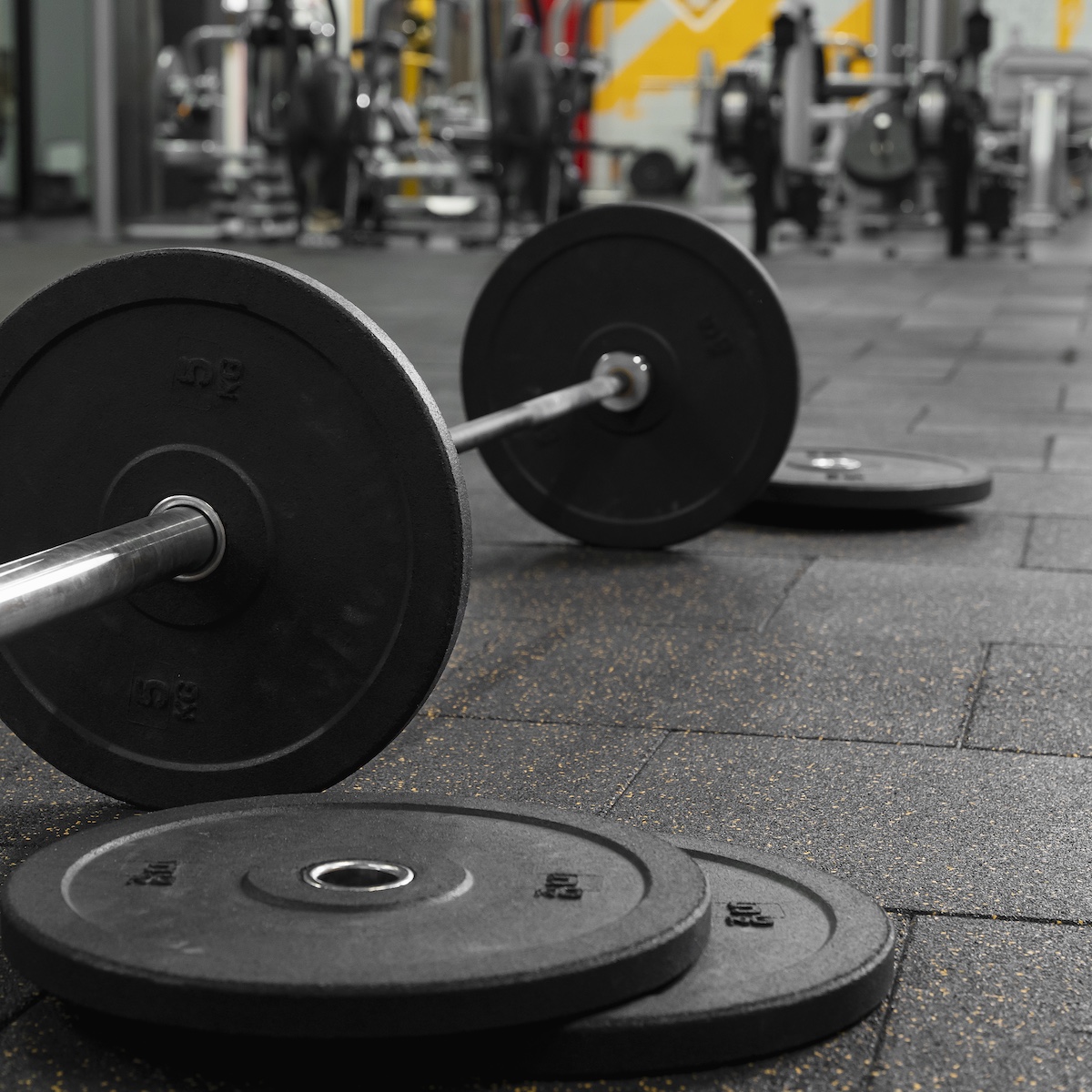
Free weight zones need dense impact support. Courts, studios, and cardio areas each need a different surface feel. A strength area may need rubber rolls or tiles that absorb shock.
Jump to:
Compare Material Options
Rubber is a common choice for high-traffic fitness areas because it handles impact well. It also helps reduce sound from dropped weights and foot traffic.
Rolls create a clean look with fewer seams. Tiles are useful when future spot repair may be needed.
Wood, polyurethane, and synthetic surfaces can fit athletic spaces too. Maple is strong for indoor courts and has a smooth grain.
Polyurethane gives a seamless, nonporous finish that can suit schools and recreation centers. Synthetic floors offer color choice, sport lines, and easier upkeep.
Check Safety and Comfort
Safety should sit near the top of the list. A gym floor needs traction, shock absorption, and a stable feel underfoot.
Too much slide can create risk during fast moves. Too little cushion can strain joints during repeated impact.
Key Safety Points
Look at these details before a final choice:
- Slip resistance under dry and damp conditions
- Shock support for joints and muscles
- Surface grip for sport-specific moves
- Seam layout in busy paths
- Cleanability after sweat, dirt, and spills
A safe floor also depends on the base below it. Subfloor prep affects how the final surface performs. Uneven spots can create weak areas, noise, or early wear.
Think About Hygiene and Upkeep
High-traffic gyms collect sweat, dust, and debris fast. A floor that cleans easily can make daily upkeep less stressful.
Rubber and polyurethane surfaces resist moisture better than some traditional options. Seamless or low-seam systems can help limit dirt traps.
Maintenance should match staff time and budget. Hardwood courts may need dust mops, gentle products, and periodic refinish work.
Rubber can need routine vacuum work and damp mops with proper cleaners. Commercial Gym Flooring Installation should include a clear plan for care after the project ends.
Plan for Lifespan and Budget
A surface that fails early can cost more through repairs, closures, and replacement. Ask how long the material should last under heavy use.
Also review warranty terms, repair options, and daily upkeep costs.
Thickness, density, finish, and format all affect price. Rubber rolls may cost more at first than basic mats, but they can create a cleaner result.
Tiles may be easier to replace in zones with repeated damage. A smart budget looks at the full service life.
Review Space Design
A good gym floor should support the full layout. Entry points, locker rooms, weight zones, courts, and studios all place different stress on the surface.
Moisture near entrances can affect traction. Heavy equipment can leave marks if the floor lacks proper density.
- Parents Are Prioritising Breathable, Sustainable Fabrics For Children's Seasonal Sleepwear
- Our Homemade Christmas Printables, Made With AI: What Worked, What Didn't, and What I'm Saving for Next Year
- At-Home vs. In-Lounge IV Therapy in the Hudson Valley: Which Makes More Sense?
- Can Passengers Pursue Compensation After a Car Accident?




Color and finish matter too. Dark floors can hide scuffs, while light floors may brighten the room.
Sport lines, logos, and zone colors can help organize activity areas. Keep the design useful, clean, and simple.
The right gym floor starts with honest use of the space. Material choice, safety, hygiene, budget, and design all play a part.
A high-traffic gym needs a surface that can handle pressure without constant repair.
With the right plan, the floor can support daily activity and still look professional for years.





Leave a Reply