

Does Aluminum Free Deodorant Work? What to Know Before
You've seen them on commercials, heard about them from your friend, and maybe are just sick of white streaks on your favorite black shirts.
The question that needs to be asked is, does aluminum free deodorant really work?
The short answer is yes. But not necessarily for the reasons you think. If you want odor control, sure. But if you want to be completely sweat-free, you'd better stick to your antiperspirant.
Let's get into it.
What Is Aluminum-Free Deodorant, Exactly?
No aluminum salts. That means none of the stuff, chloride, chlorohydrate, zirconium, that temporarily plugs your sweat glands.
Instead, these things manage smell through a few routes:
You'll see them as sticks, balms, creams, sprays, each one feels different going on. Some absorb fast, some sit on top for a minute. Powders like arrowroot or cornstarch handle the moisture. Baking soda or zinc ricinoleate goes after the bacteria that actually cause the smell. Fragrance, natural or synthetic, covers whatever's left. And the oils and butters? That's what keeps it from tugging at your skin when you apply it.
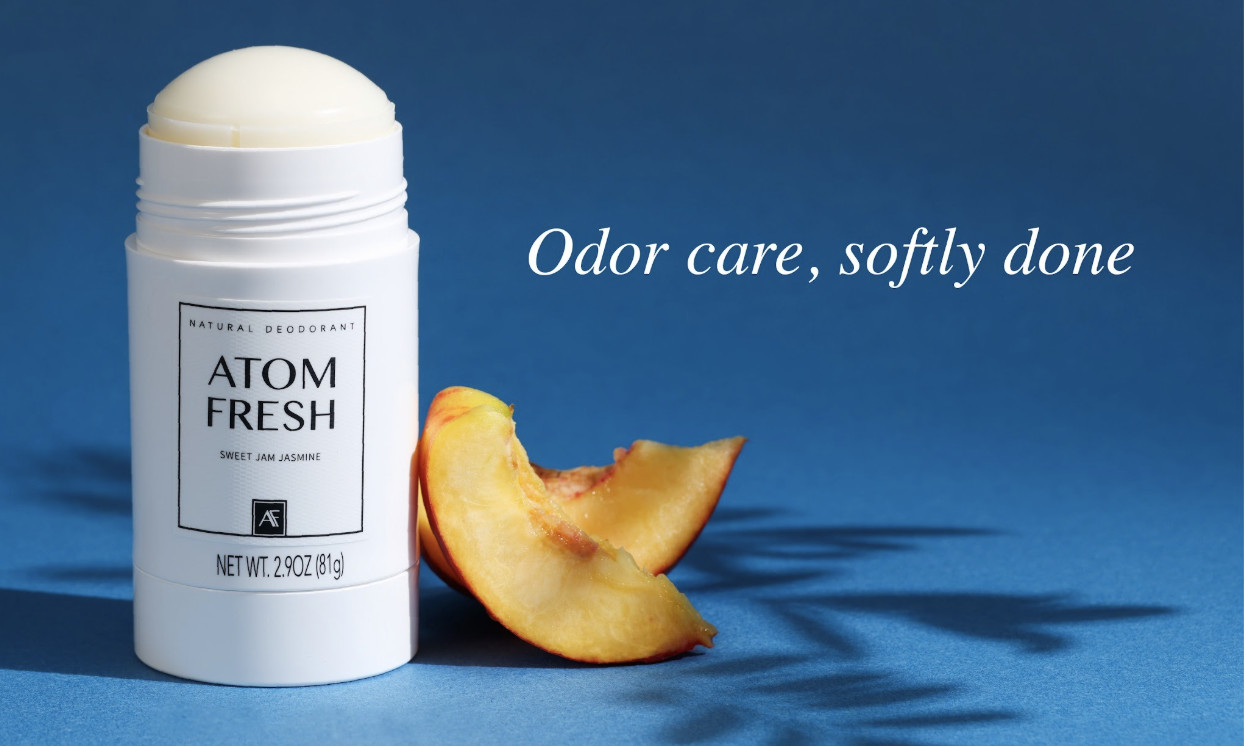
If you're looking for a balm with a short ingredient list and no baking soda, because that stuff burns a lot of people, not a "detox," actual burning, the natural deodorant balm is worth a look. Atom Fresh's version doesn't leave that chalky film on your skin the way some cheap sticks do. You know the one, you put it on, half an hour later there's white dust on your shirt collar. That doesn't happen here.
Deodorant vs. Antiperspirant in One Table
| Deodorant | Antiperspirant | |
| Stops sweat | No | Yes |
| Controls odor | Yes | Yes |
| Contains aluminum | No | Yes |
| FDA calls it a drug | No | Yes |
Antiperspirants are classified as drugs. They alter how your body functions. Deodorants are cosmetics. They handle smell and nothing else.
So, Does It Work?
Yeah. For what it's built to do.
Scripps says it directly: aluminum-free deodorants control odor but don't reduce sweating. Cleveland Clinic agrees, baking soda and alcohol neutralize bacteria, and fragrance covers what's left.
But effectiveness bounces around a ton depending on:
1. How much do you sweat.
2. Your skin's bacteria mix, everyone's different.
3. Your daily routine and climate.
4. Which product do you choose, and how do you apply it.
You'll feel damp. That's your body cooling off. The real question: do you smell bad at the end of the day? If not, it's working.
Why Yours Might Not Be Working
You tried one. Now you're itchy, sticky, or starting to smell by 11 AM.
That doesn't mean aluminum-free deodorant is junk. Odds are you're running into one of these four things.
You apply it to wet skin.
Deodorant needs a dry surface. Slap it on right after your shower, and you're just diluting everything before it can bond. Half the product ends up mixing with water instead of staying on you. Air-dry for a minute. Or use a hairdryer on cool weird but effective.
Baking soda doesn't agree with you.
“Great at killing odor. Also great at irritating a significant number of people industry estimates suggest it affects roughly 10% to 30% of users, with rates climbing higher for those with sensitive skin or who shave their underarms. If you feel burning or see redness within a few hours, that's not a 'detox.' That's irritation. Find something with zinc ricinoleate or charcoal.”
You're using the wrong amount.
Too few leaves gaps where bacteria thrive. Too much becomes a pasty mess that never absorbs and rubs off on your clothes. Aim for a thin, even layer, like moisturizer, not cream cheese.
You're reapplying over old residue.
No wash between applications means you're just painting fresh deodorant over yesterday's sweat and bacteria. That combo breaks down fast. Morning washing with soap gives you a clean start.
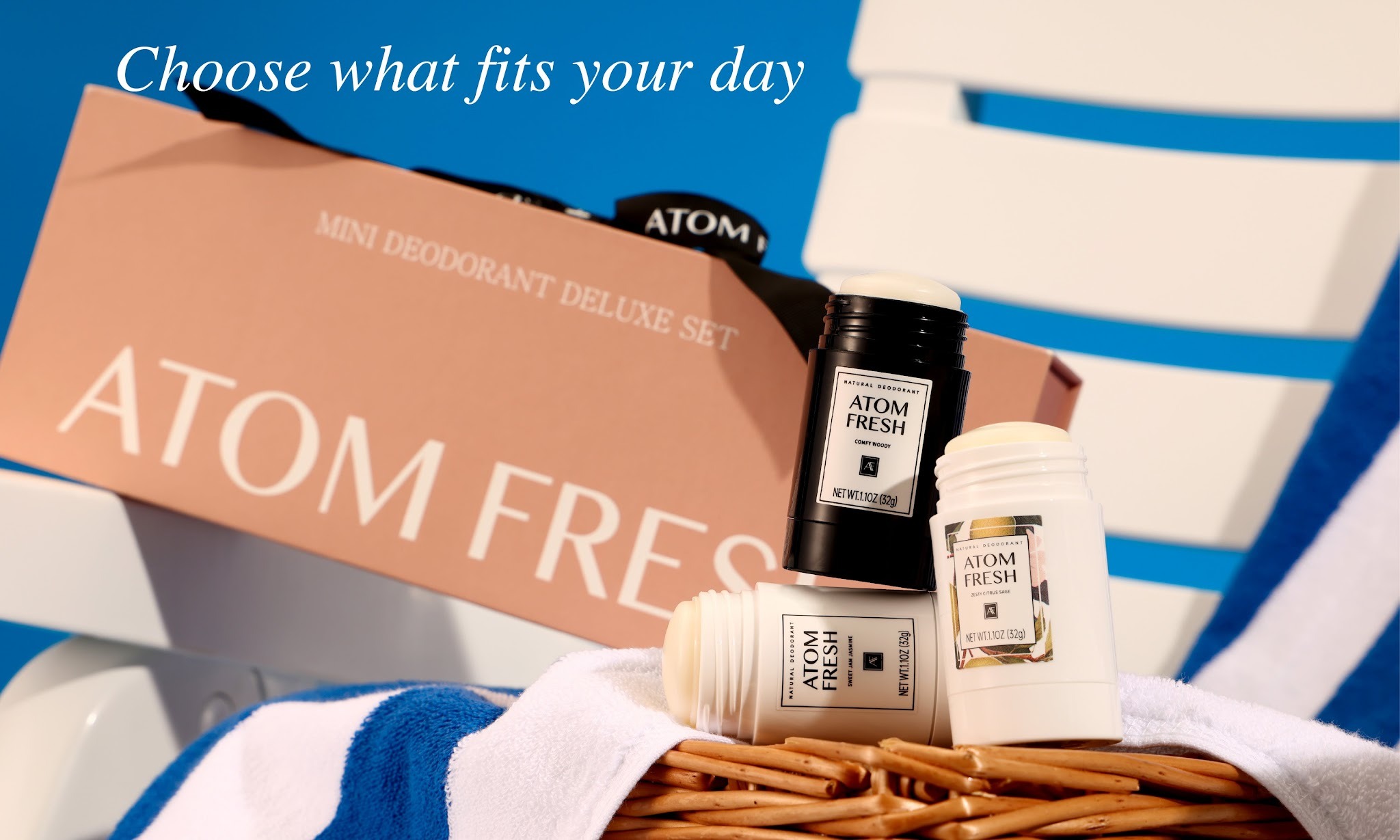
It usually takes a few tries. Atom Fresh sells a mini deodorant set so you can test a couple of formulas side by side without buying full sizes you might hate.
Ingredients Worth Paying Attention To
Flip the package. Read the back.
Odor Control, zinc ricinoleate is the key here. Basically, it traps the odor molecules so they can’t be detected by the nose. The same goes for charcoal. Baking soda will also do the job, but it can cause a burning rash in 15-20% of people, so be careful if you decide to use it.
Moisture comes from either arrowroot, cornstarch, or tapioca. These are alternatives to aluminum, which is used in most antiperspirants. They don’t completely dehydrate the underarm, so there is a slight dampness you won’t feel with aluminum, but it’s not enough to cause your pits to turn into a swamp.
Skin care, plant oils, shea butter, vitamin E. Regular antiperspirants don't bother with any of this because they don't have to. They're too busy blocking sweat. But if your underarms have ever gotten red, chafed, or just plain angry after a few hours, these ingredients actually matter.
Fragrance is where it gets tricky. Essential oils can irritate. Synthetic can irritate. Both. Cedars-Sinai pointed out something most people don't know, the FDA never actually defined what "natural" means for cosmetics. So that big "100% Natural" stamp on the front? Means nothing. The only thing that matters is what's actually in the jar.
The “Detox" Thing Is Nonsense
You've seen "7-day armpit detox" claims. "Health.com" looked into it—basically, zero research supports any of that.
What you might notice in week one:
1. More wetness (because you're not blocking sweat anymore).
2. Odor might shift temporarily.
3. You may need to reapply more.
That is not evidence of detoxification. You may simply notice normal underarm moisture more clearly now that you are no longer using a sweat-reducing antiperspirant.
What You Gain and What You Lose
Pro:
- No aluminum.
- A better fit for people who are comfortable with natural underarm .moisture.
- More texture choices, balm, cream, stick, spray.
- Some formulas are genuinely gentler.
Con:
- You will sweat. Heat, exercise, stress, still happens.
- Might need to reapply midday.
- Baking soda and essential oils can cause reactions.
- If you have hyperhidrosis, this won't cut it. See a doctor.
Picking the Right One and Using It Correctly
Shopping:
Ignore the front. Check the ingredient list for actual odor fighters. Sensitive skin? Avoid baking soda and strong citrus or cinnamon oils. Patch test on your inner arm first.
Texture isn't just a preference, it affects performance. Balms give you control and short ingredient lists. Creams spread easily and add moisture. Sticks are fast. Sprays dry quickly but can feel too light.
Think about your routine. Desk job? Any decent formula works. Gym regular or commute in heat? Keep a travel size in your bag.
Application:
Clean, dry skin. Non-negotiable. Thin layer. Not thick. Let it sit a minute before your shirt goes on, otherwise half ends up on your collar. Reapply after heavy sweating. Never put it on freshly shaved skin. You'll only do that once.
Who Should Switch
You'll like it if:
- Smell bothers you more than wetness.
- Reapplying doesn't bug you.
- You want simpler ingredients.
You'll hate it if:
- Damp armpits drive you crazy.
- Sweat stains annoy you.
- You work outside in the heat or do physical labor.
- You need all-day protection with no effort.
So, What's the Verdict?"
Aluminum-free deodorant works for odor. It won't keep you dry. Not magic. But with realistic expectations, the right formula, and proper application, it does the job.
The deodorant collection from Atom Fresh pulls together their balms, creams, and mini sets, so you can actually find what fits without buying full sizes you might hate.





Leave a Reply