

Family life comes with a surprising amount of paperwork. Between school forms, medical records, insurance details, birth certificates, pet records, travel documents, and emergency contacts, it is easy for important information to end up scattered across drawers, email inboxes, phone photos, and old folders.
A family document binder gives parents one organized place to keep the information they may need during everyday routines and bigger life moments. It can help with school registration, doctor visits, emergency planning, house moves, travel, childcare handoffs, and those unexpected situations when you suddenly need a document quickly.
Services such as Vital Forms Direct can fit into a broader family organization plan when parents are thinking through vital records like birth certificates, marriage certificates, divorce records, or death certificates as part of their household paperwork system.
Why Every Family Needs a Document Binder
A document binder is not just for ultra-organized parents. It is a practical tool for busy households. When a child needs a form for school, a grandparent needs emergency contact details while babysitting, or a parent has to update insurance information, having everything in one place saves time and stress.
The goal is not to store every single paper your family has ever received. Instead, the binder should hold the documents and copies you are most likely to need for daily life, emergencies, and major transitions.
Think of it as your family’s “where is that?” solution.
Choose the Right Binder Setup
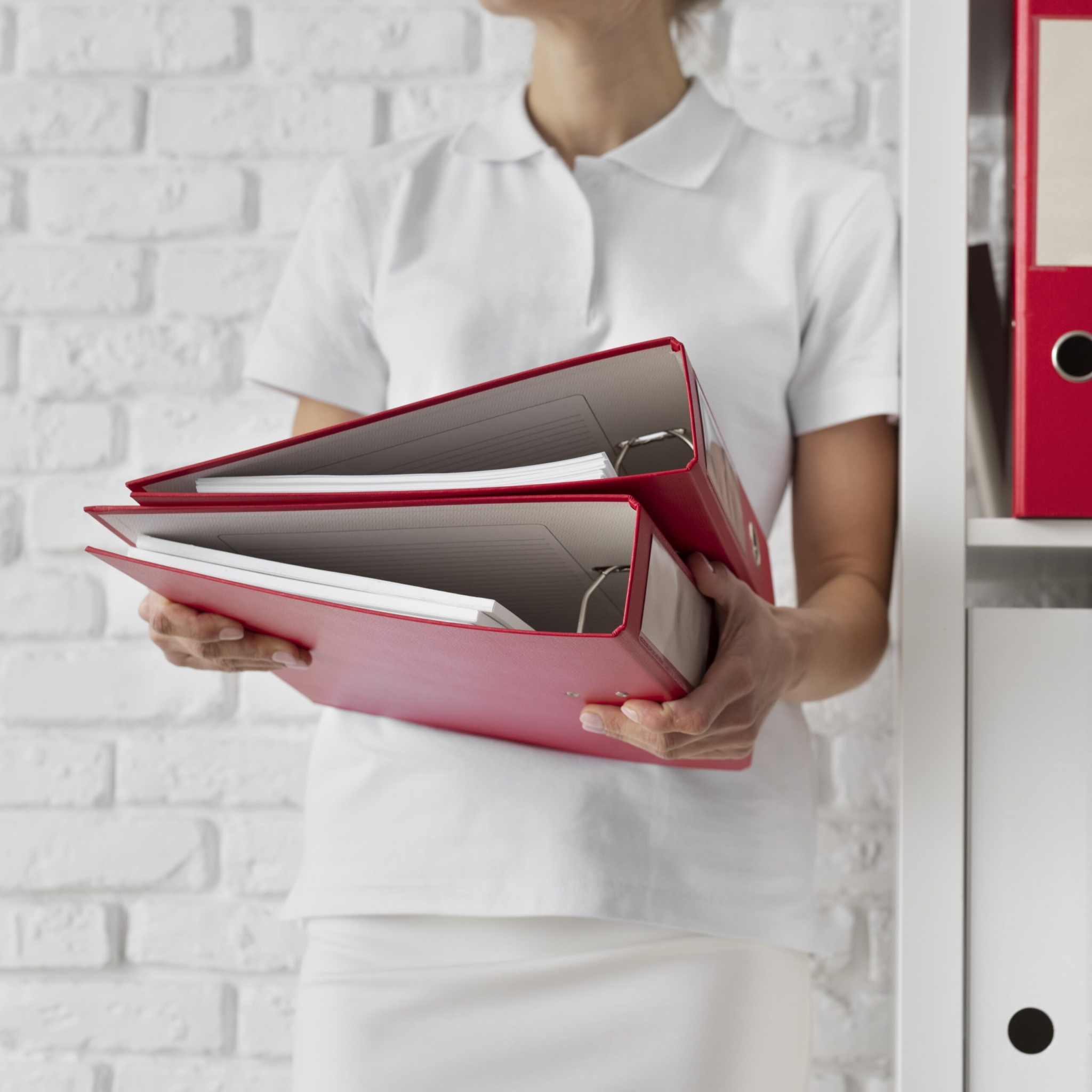
Start with a sturdy three-ring binder, dividers, sheet protectors, and a zipper pouch. A one-and-a-half or two-inch binder is usually enough for most families, but larger households may prefer one binder for parents and one for children.
You can also create a digital version by scanning key documents and saving them in password-protected folders. Many families find that a combined system works best: originals stored safely, paper copies in the binder, and secure digital backups for quick reference.
Helpful supplies
A simple setup may include:
- Three-ring binder
- Labeled dividers
- Clear sheet protectors
- A small zipper pouch
- Sticky notes
- A printed emergency contact page
- A portable file box for originals
- A secure digital folder for scanned copies
Section 1: Family Identification and Vital Records
Vital records are one of the most important categories in a family document binder. These may include birth certificates, marriage certificates, divorce decrees, adoption documents, name change records, and death certificates.
For everyday binder use, keep copies rather than originals. Originals should be stored somewhere safer, such as a fire-resistant safe, lockbox, or secure file cabinet.
What to include in this section
Consider adding copies of:
- Birth certificates for each child
- Parent identification cards
- Marriage certificate, if relevant
- Divorce or custody documents, if relevant
- Adoption or guardianship paperwork
- Social Security card copies, stored with extra care
- Passport information pages
- Name change records
For sensitive documents, avoid carrying the binder around unnecessarily. It should be easy for trusted adults to access at home but not left in a car, backpack, or shared public space.
Section 2: Medical and Health Information
Medical information is one of the most useful parts of a family binder, especially if someone else is caring for your children. A babysitter, relative, coach, or neighbor may need basic information quickly in an emergency.
Create one medical summary page for each family member. Keep it short enough that someone can understand it in a stressful moment.
What to include
Each medical section may include:
- Health insurance cards
- Pediatrician and dentist contact details
- Current medications and dosages
- Allergies
- Immunization records
- Chronic condition notes
- Specialist contact information
- Preferred pharmacy
- Emergency medical authorization forms
The CDC’s emergency kit guidance for families with children recommends keeping copies of important documents, emergency contacts, medical information, and child-specific supplies as part of family preparedness planning.
Section 3: Emergency Planning Pages
A family binder should include a section that can be used quickly during an emergency. Keep this section near the front so nobody has to search for it.
The Inspiration Edit has shared practical ideas for smart emergency planning, including keeping important information visible, thinking ahead, and making sure someone else knows the plan.
Your binder can support that same idea by giving your family a simple written plan.
Emergency pages to create
Include:
- Emergency contacts
- Local hospital information
- Pediatrician and family doctor numbers
- School and daycare contacts
- Neighbor or nearby family contacts
- Utility company numbers
- Pet care contacts
- Home insurance information
- Evacuation meeting point
- Medication list
- Copies of IDs and insurance cards
For younger children, you may also want to add a recent photo, height, weight, allergies, and comfort notes such as favorite foods or calming routines.
Section 4: School, Childcare, and Activity Records
School paperwork tends to multiply quickly. A binder can help parents keep important education and childcare documents organized without saving every worksheet or newsletter.
Create one divider for each child and keep the current year’s most important forms there.
Useful school documents
This section may include:
- School registration forms
- Daycare or preschool paperwork
- Report cards
- Transcripts
- IEP or 504 plan documents
- Sports physicals
- Camp forms
- Permission slips
- Transportation information
- Teacher and school office contacts
At the end of each school year, remove outdated forms and keep only the documents that may be needed later.
Section 5: Home, Insurance, and Financial Basics
A family binder does not need to include every financial detail, but it should help another trusted adult understand the basics if needed.
This section is especially useful during a move, home repair issue, weather emergency, or insurance claim.
What to include
Add copies or summary pages for:
- Homeowners or renters insurance
- Auto insurance
- Pet insurance
- Mortgage or lease information
- Vehicle registration copies
- Warranty information for major appliances
- Emergency home repair contacts
- Bank contact information, without full account details
- A list of recurring household bills
Avoid placing full passwords, account numbers, or sensitive financial details in a binder that could be easily accessed. Use a secure password manager or separate protected system for that information.
Section 6: Travel and Major Life Events
Family documents become especially important during travel, moves, new school enrollment, marriage, divorce, new babies, adoption, or caring for an aging relative.
For travel, keep a section with passport copies, travel insurance details, emergency contacts, consent letters if one parent is traveling alone with a child, and important medical information.
For major life events, keep a checklist of documents that may need updating, such as insurance policies, school records, beneficiary information, addresses, emergency contacts, and identification documents.
How to Keep the Binder Updated
A binder only works if it stays current. Set a reminder to review it twice a year. Many families do this in January and again before back-to-school season.
During each review:
- Remove outdated forms
- Update emergency contacts
- Replace expired insurance cards
- Check passport expiration dates
- Refresh medication lists
- Add new school or childcare information
- Shred papers you no longer need
- Scan updated copies for your digital backup
Do not aim for perfection. A useful binder that is 80% current is better than a perfect system you never start.
Where to Store the Binder
Store the binder somewhere accessible but safe. A kitchen command center, home office shelf, or bedroom closet can work well, depending on your home.
Original documents should be kept separately in a more secure location. The binder should mostly contain copies, summaries, and practical reference pages. Tell another trusted adult where it is, especially if they care for your children regularly.
A family document binder is one of those simple projects that pays off again and again. It helps parents feel more prepared for school forms, doctor visits, travel, emergencies, and major life changes.
Start small. Create the emergency contact page first, then add vital records, medical information, school documents, and household details over time. Once the system is in place, maintaining it becomes much easier.
The best family binder is not the prettiest one. It is the one you can actually find and use when life gets busy.





Leave a Reply