

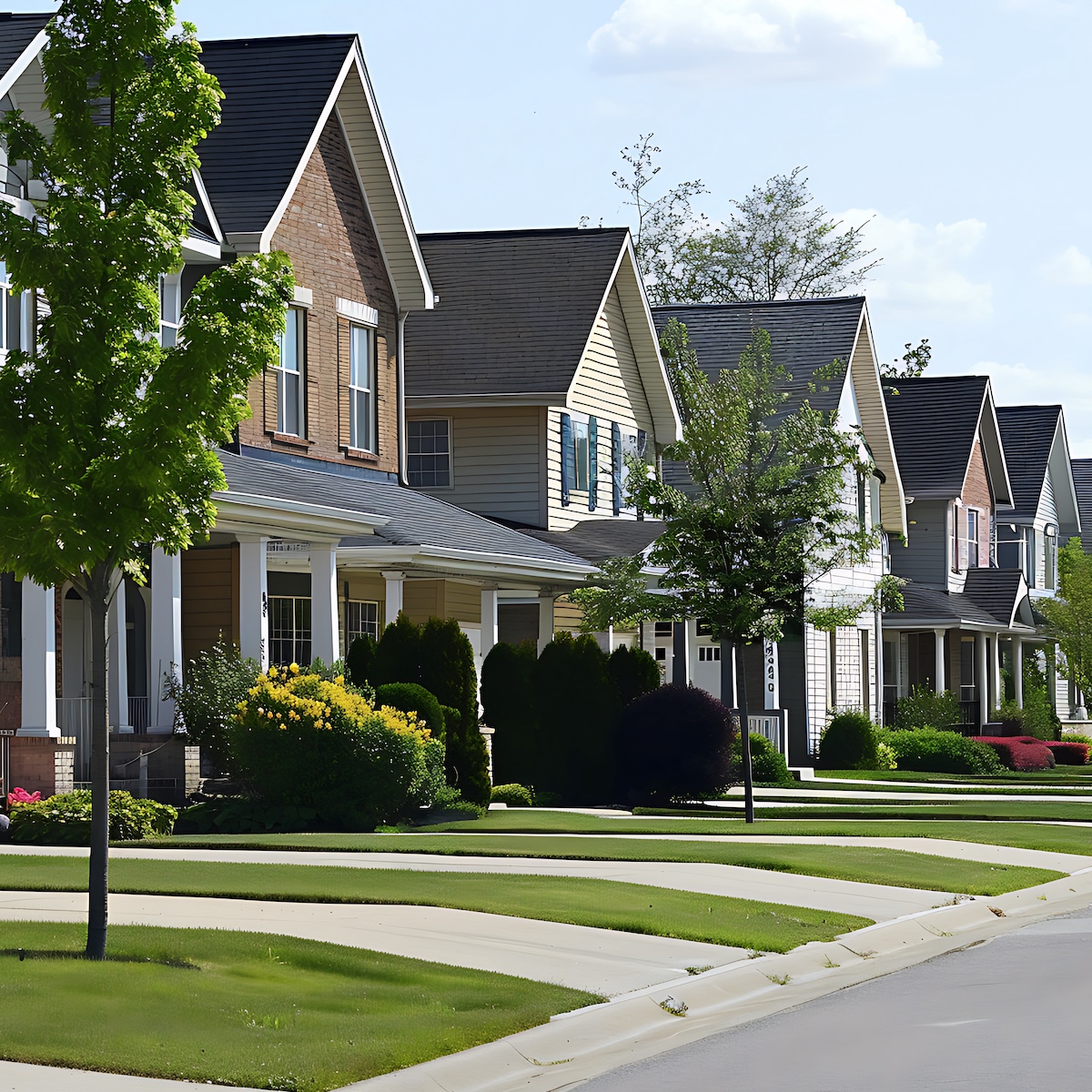
Starting to look at home prices and pretty streets is the first step in locating a neighborhood in Savannah that's safe to live in.
Combining crime data, local knowledge, the quality of the schools, and firsthand visits should be the best option for deciding.
When looking at the safest neighborhoods, keep in mind that safety may differ from block to block. The same neighborhood can be a different character at night as well as in the day, so it is important to have a variety of information.
The town's history, expanding economy, and coastal living draw new residents to Savannah as well.
Doing some research beforehand can save you from any unpleasant surprises that you'll encounter when you sign a lease or purchase a property. Here are some tips!
Jump to:
1. Visit the Neighborhood at Different Times
Things can be so different in a neighborhood at different times of the day. Make several trips to see it in the morning, afternoon, evening, and on weekends.
Focus on lighting, traffic, noise, sidewalks, and whether people are walking, exercising, or outdoors. Active public areas may indicate high levels of community engagement, but are not necessarily safe.
2. Read the Local Crime Data
Don't use opinions to begin your discussion; provide facts to open the conversation. The Savannah Police Department issues crime data, and the FBI Crime Data Explorer will help you view crime trends in communities.
Some recent crime statistics can be a good indicator, but should not be the only one. Don't just respond to a single report of a problem; look for patterns that last a number of months.
3. Research Schools and Community Resources
Highly-rated schools, even if you don't have children, tend to be signs of long-term investment in the neighborhood.
The number of parks, libraries, community centers, and maintained public spaces also points to an engaged community.
You can get an idea of how well a neighborhood is supported by its school performance and information about neighborhood amenities. Areas that are stable over time tend to have the best resources.
4. Talk to Local Residents
Customer reviews are only a part of the equation. Talk to your neighbors to find out some day-to-day facts that statistics can't provide.
Ask questions such as:
- What is the length of time you have been a resident of this area?
- Are you comfortable going for a walk at night?
- Responsiveness of local police?
- Do you have seasonal activities/neighbourhood associations?
These are sometimes good sources of information about everyday life.
5. Know about Local Property and Safety Regulations
Though Georgia law promotes transparency in a lot of real estate transactions, buyers should conduct their own research. It is a good idea to check out public records and neighborhood data prior to buying a home.
Knowing some legal requirements, like those that would impact on ownership, can also be beneficial when you are buying property.
- Parents Are Prioritising Breathable, Sustainable Fabrics For Children's Seasonal Sleepwear
- Our Homemade Christmas Printables, Made With AI: What Worked, What Didn't, and What I'm Saving for Next Year
- At-Home vs. In-Lounge IV Therapy in the Hudson Valley: Which Makes More Sense?
- Can Passengers Pursue Compensation After a Car Accident?




For instance, the state of Georgia has enacted statutes in its General Assembly (O.C.G.A. § 44-2-1) relevant to the recording of property interests to help create clear ownership records.
This statute does not provide a way to assess neighborhood safety, but it is necessary to ensure that a person's assessment is informed when deciding to purchase or not purchase public property.
Key Takeaways
- Before selecting a neighborhood, investigate the crime rate.
- Check out the area at various times of day and week.
- Take crime rates and schools/community facilities into account.
- Talk with locals to get a sense of a local's life.
- Research the pertinent Georgia property laws and public records.





Leave a Reply